Liquid Chlorophyll Supplements: Detox, Energy, and Health Benefits
Liquid chlorophyll supplements support detoxification, boost energy levels, and promote overall health with natural, plant-based benefits for daily wellness.

We include products we think are useful for our readers. If you buy through links on this page, we may earn a small commission.
Liquid chlorophyll supplements are concentrated products containing chlorophyll or, more commonly, the water-soluble derivative chlorophyllin. Although they are widely promoted for detoxification, higher energy, clearer skin, fresher breath, and general wellness, human research supports only a few narrow effects, and it does not show that these products broadly “cleanse” the body or reliably boost energy. Liquid chlorophyll may be a convenient supplement for some adults, but it should complement—not replace—a nutritious diet, appropriate medical care, sleep, exercise, and the body’s own detoxification systems.
What Is Liquid Chlorophyll? | Does Liquid Chlorophyll Detox the Body? | Can Liquid Chlorophyll Increase Energy? | Other Proposed Liquid Chlorophyll Health Benefits | Safety, Side Effects, and Medication Considerations | How to Choose and Use a Chlorophyll Supplement Responsibly | Food First: A More Complete Source of Green-Plant Nutrition | Frequently Asked Questions
What Is Liquid Chlorophyll?
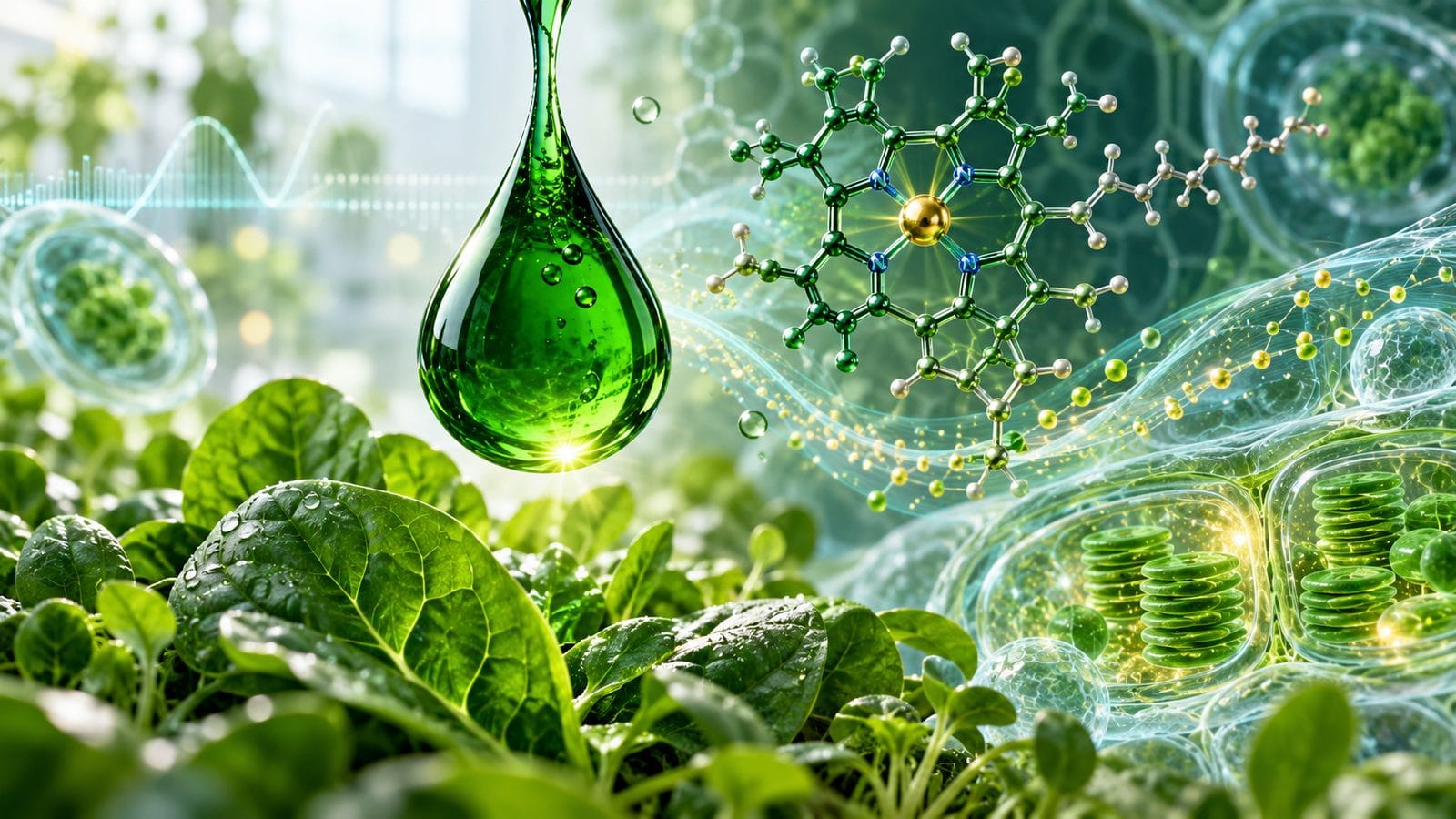
Chlorophyll is the green pigment that allows plants and algae to capture light during photosynthesis. Its molecular structure resembles that of heme, the pigment-containing component of hemoglobin, but the two compounds are not interchangeable: chlorophyll contains magnesium at its center, while heme contains iron. Consuming chlorophyll does not directly build red blood cells or increase blood oxygen.
Natural chlorophyll is fat-soluble and relatively unstable when removed from plant tissue. For that reason, many products marketed as liquid chlorophyll actually contain sodium copper chlorophyllin. Chlorophyllin is a semisynthetic mixture made by modifying chlorophyll, often replacing its central magnesium with copper and removing its fat-soluble tail. The resulting compound dissolves more readily in water and is more stable in a liquid formulation.
This distinction matters when evaluating chlorophyll supplement benefits. Research involving chlorophyllin cannot automatically be applied to natural chlorophyll, and findings from laboratory experiments do not necessarily predict what happens after a person drinks a diluted supplement. Product composition also varies: two green liquids may contain different chlorophyll derivatives, concentrations, flavorings, preservatives, or additional botanical ingredients.
Leafy vegetables provide natural chlorophyll together with fiber, folate, vitamin C, vitamin K, potassium, carotenoids, and numerous plant compounds. Spinach, parsley, arugula, watercress, broccoli, green beans, and herbs are practical food sources. A supplement delivers a more isolated pigment and therefore does not reproduce the nutritional value of the plant from which it originated.
Does Liquid Chlorophyll Detox the Body?
“Detox” is one of the most common claims attached to liquid chlorophyll. In medical terms, however, detoxification is not a vague flushing process. The liver chemically modifies many compounds, the kidneys filter the blood and make urine, the lungs remove carbon dioxide, and the digestive tract eliminates waste. No clinical evidence shows that routine chlorophyll drinks accelerate all of these systems or remove an undefined buildup of toxins.
There is a scientifically plausible but much narrower mechanism behind some detox claims. Chlorophyll and chlorophyllin can form complexes with certain chemicals inside the digestive tract. By binding or trapping a compound before it crosses the intestinal wall, they may reduce its absorption. Researchers sometimes describe this as “interception,” which is fundamentally different from pulling toxins out of tissues after exposure has occurred.
The best-known human evidence concerns aflatoxin B1, a carcinogenic substance produced by molds that may contaminate improperly stored crops. In a randomized, double-blind trial involving 180 adults with substantial dietary aflatoxin exposure, participants took 100 milligrams of chlorophyllin three times daily with meals for four months. Their median urinary level of an aflatoxin-related DNA-damage biomarker was 55% lower than that of the placebo group. The result suggests that chlorophyllin altered exposure to this particular contaminant under specific conditions; it does not establish a universal cleanse. The study can be reviewed through PubMed.
A much smaller human experiment also found that chlorophyll and chlorophyllin could reduce the absorption of a carefully controlled, very low dose of aflatoxin. Because only a few volunteers completed the relevant interventions, the findings are mechanistically interesting rather than sufficient for general treatment recommendations. They do not prove that commercial detox supplements prevent cancer or counteract ordinary dietary excess.
Claims about removing heavy metals, reversing alcohol exposure, cleansing the colon, or “alkalizing” the blood remain unsupported by good clinical trials. Blood acidity is tightly regulated by the lungs and kidneys; a supplement cannot safely reset it. People who suspect poisoning or a harmful exposure need prompt advice from a poison center or clinician, not a wellness cleanse.

Can Liquid Chlorophyll Increase Energy?
Liquid chlorophyll is frequently marketed as an energy booster, yet no convincing clinical evidence shows that chlorophyll or chlorophyllin directly improves alertness, exercise performance, oxygen delivery, or cellular energy production in healthy adults. Chlorophyll is essential to energy capture inside a living plant, but drinking the pigment does not allow human cells to perform photosynthesis.
The visual similarity between chlorophyll and heme has encouraged the nickname “green blood.” That phrase is memorable but biologically misleading. Chlorophyll does not become hemoglobin, and standard chlorophyllin supplements are not meaningful sources of the iron, vitamin B12, or protein needed for normal red blood cell production. A perceived lift after taking liquid chlorophyll may instead reflect better hydration, a change in routine, accompanying ingredients, expectancy effects, or improvements elsewhere in the diet.
Some products contain green algae, vitamins, caffeine, or herbal extracts in addition to chlorophyll. Any change in energy could come from those ingredients rather than the pigment. Studies of spirulina, chlorella, or mixed “greens” products also cannot be treated as proof for isolated liquid chlorophyll because those foods contain proteins, minerals, fatty acids, and other bioactive compounds.
Persistent fatigue deserves more than a supplement trial. Common contributors include inadequate sleep, iron deficiency, vitamin B12 deficiency, thyroid disorders, medication effects, sleep apnea, depression, infections, and insufficient calorie or protein intake. New, severe, or unexplained fatigue—especially when accompanied by breathlessness, chest pain, fainting, fever, bleeding, or unintentional weight loss—should be assessed by a healthcare professional.
For dependable daily energy, the stronger evidence supports consistent sleep, regular physical activity, adequate hydration, balanced meals, and evaluation of possible medical causes. Liquid chlorophyll may fit into a pleasant hydration ritual, but it should not be presented as a physiological stimulant or a substitute for diagnosis.
Other Proposed Liquid Chlorophyll Health Benefits
Antioxidant activity is often listed among liquid chlorophyll health benefits. Chlorophyll-related compounds can interact with reactive molecules in test tubes, and laboratory or animal studies have reported antioxidant and anti-inflammatory effects. Human physiology is more complicated: digestion changes these compounds, their absorption varies, and an antioxidant effect measured in a laboratory may not produce a meaningful health outcome. Large, well-controlled oral supplementation trials are limited.
Skin improvement is another popular claim. Small studies have examined topically applied sodium copper chlorophyllin for acne-prone or photoaged skin. One pilot acne study involved only 10 participants and lacked the scale and controls needed for firm conclusions. More importantly, a topical gel acts directly on skin and is not equivalent to drinking chlorophyll. Evidence for oral liquid chlorophyll treating acne, wrinkles, or wounds remains insufficient.
Chlorophyllin has also been used historically as an internal deodorant. A randomized crossover trial in 20 older patients with urinary incontinence found that any reduction in urinary odor was not significantly better than placebo. There is little high-quality evidence that oral chlorophyll consistently treats body odor or bad breath. Persistent odor can have dental, dietary, infectious, metabolic, or medication-related causes and may require targeted care.
Laboratory research has explored whether chlorophyll-related compounds can limit DNA damage caused by selected chemicals. Those findings and the aflatoxin studies are scientifically valuable, but they should not be converted into claims that chlorophyll prevents or treats cancer. Cancer risk depends on many exposures and biological processes, and no liquid chlorophyll regimen has been shown to replace vaccination, screening, tobacco avoidance, sun protection, or evidence-based treatment.
Claims involving weight loss and digestive health are similarly preliminary. Chlorophyll itself is not a proven fat-burning compound or appetite regulator. Some users may drink more water or replace a sugary beverage when taking it, which can support weight-management goals without demonstrating a unique chlorophyll effect. Reports of improved digestion are largely anecdotal, while some users experience the opposite outcome, including loose stools or cramping.
Safety, Side Effects, and Medication Considerations
Liquid chlorophyll and chlorophyllin are generally tolerated in modest amounts, but “natural” does not mean risk-free. Reported effects include nausea, abdominal discomfort, diarrhea, and green discoloration of the tongue, stool, or urine. The color change can be surprising but is usually related to the pigment itself. Stop using the product and seek medical care for signs of a serious reaction, such as difficulty breathing, facial swelling, severe abdominal pain, persistent vomiting, or widespread rash.
Some chlorophyll-containing materials may increase sensitivity to sunlight, although the risk depends on the source and accompanying compounds. Use caution if a product causes unusual burning, redness, or rash after sun exposure. Algae-derived ingredients require particular scrutiny because poorly controlled materials can contain unwanted contaminants or excessive levels of related photosensitizing compounds.
Evidence is inadequate to establish routine supplemental doses for pregnancy, breastfeeding, or childhood. People in these groups should avoid casual use unless a qualified clinician specifically recommends it. Anyone with liver or kidney disease, a copper-metabolism disorder, a complex medical condition, or an upcoming procedure should also obtain individualized guidance.
Supplement–drug interactions have not been comprehensively studied. A pigment that binds chemicals in the intestine could theoretically affect the absorption of some medicines, and added herbs or nutrients may introduce separate interactions. Ask a pharmacist or clinician before use if you take prescription medicine, particularly drugs requiring precise or consistent absorption. The U.S. Food and Drug Administration advises consumers to discuss supplements alongside their medications because supplements can alter drug absorption, metabolism, or excretion.
In the United States, dietary supplements are regulated differently from medicines. Manufacturers are responsible for safety and labeling, while the FDA generally acts against adulterated or misbranded products after they enter the market. A legal supplement is therefore not automatically proven effective. The National Center for Complementary and Integrative Health also notes that products sold to consumers may differ from those studied in research.
How to Choose and Use a Chlorophyll Supplement Responsibly
First decide what outcome you want. If the goal is higher energy, investigate sleep, nutrition, stress, activity, and possible medical causes rather than assuming a chlorophyll deficiency. If the goal is detoxification, identify the actual exposure or symptom. A specific concern can be assessed; a promise to remove unspecified toxins cannot.
Read the ingredient panel closely. Determine whether the active ingredient is natural chlorophyll, sodium copper chlorophyllin, an algae concentrate, or a blend. Check the amount per serving, serving size, sweeteners, allergens, stimulants, herbs, and total copper if listed. Avoid formulas that conceal quantities behind proprietary blends or claim to cure disease.
Prefer manufacturers that provide independent testing for identity, potency, microbes, and contaminants such as lead, arsenic, cadmium, and mercury. A recognized third-party certification does not prove that a product works, but it can provide additional assurance that the contents more closely match the stated specifications. Certification marks should be verifiable through the testing organization rather than accepted solely from advertising.
Follow the labeled serving rather than assuming more will work better. Dilute the liquid as directed, since concentrated pigments and flavoring acids may stain surfaces or irritate the mouth and stomach. Starting with a smaller labeled serving can help reveal digestive intolerance. Do not exceed the instructions or copy the high doses used in specialized research trials without medical supervision.
Track a concrete outcome for a defined period. For example, record fatigue, digestive symptoms, sleep, and other relevant factors before and during use. Change only one major variable at a time. Discontinue the supplement if it produces no meaningful benefit, causes adverse effects, or encourages delay in appropriate care.
Food First: A More Complete Source of Green-Plant Nutrition
For most people, green vegetables are a better foundation than liquid chlorophyll. Whole foods deliver chlorophyll within a complex nutritional package and contribute fiber that supports bowel regularity and the gut microbiome. They also supply nutrients involved in normal energy metabolism, immune function, blood clotting, and tissue maintenance.
A practical approach is to add spinach or kale to soups, stir herbs into grains and salads, serve broccoli or green beans with dinner, and rotate different vegetables through the week. Variety matters more than pursuing the greenest possible food. People taking warfarin or another vitamin K-sensitive anticoagulant should keep leafy-green intake consistent and follow their clinician’s guidance rather than abruptly increasing or eliminating it.
A chlorophyll supplement can still be a personal preference when its limitations are understood. If adding a green liquid encourages someone to choose water over a sugar-sweetened drink, the substitution may be useful. That benefit comes from the overall habit, however, and should not be confused with proof of sweeping detoxification, energy enhancement, or disease prevention.
Frequently Asked Questions
Is it safe to drink liquid chlorophyll every day?
Many healthy adults tolerate labeled amounts, but long-term safety data for routine daily use are limited. Digestive upset and green discoloration of stool or urine can occur. Daily use should be discussed with a clinician during pregnancy or breastfeeding, before surgery, or when taking medication or managing liver, kidney, or copper-related conditions.
How quickly does liquid chlorophyll work?
There is no established timeline because most advertised outcomes have not been demonstrated in strong clinical trials. Stool color may change quickly, but that is pigment excretion rather than detoxification. Claims that energy, skin, odor, or weight should improve within a set number of days are not supported by dependable evidence.
Is chlorophyllin the same as chlorophyll?
No. Natural chlorophyll is a fat-soluble plant pigment containing magnesium. Chlorophyllin is a more water-soluble, semisynthetic mixture commonly made with copper. Most liquid supplements use chlorophyllin because it remains stable in water, so consumers should check the ingredient list rather than relying on the product’s front-facing name.
Does liquid chlorophyll replace eating vegetables?
No. A liquid chlorophyll product does not provide the fiber, vitamins, minerals, protein, and diverse phytochemicals found in whole vegetables. It may be used as an optional supplement, but a varied diet rich in vegetables, fruit, legumes, whole grains, nuts, seeds, and appropriate protein sources offers broader and better-established health benefits.