Best Lactose-Free Protein Powder: Dairy-Free and Low-FODMAP
Lactose-free vs dairy-free protein powder: whey isolate, egg white and plant options on iHerb, low-FODMAP tips, and verified certifications.

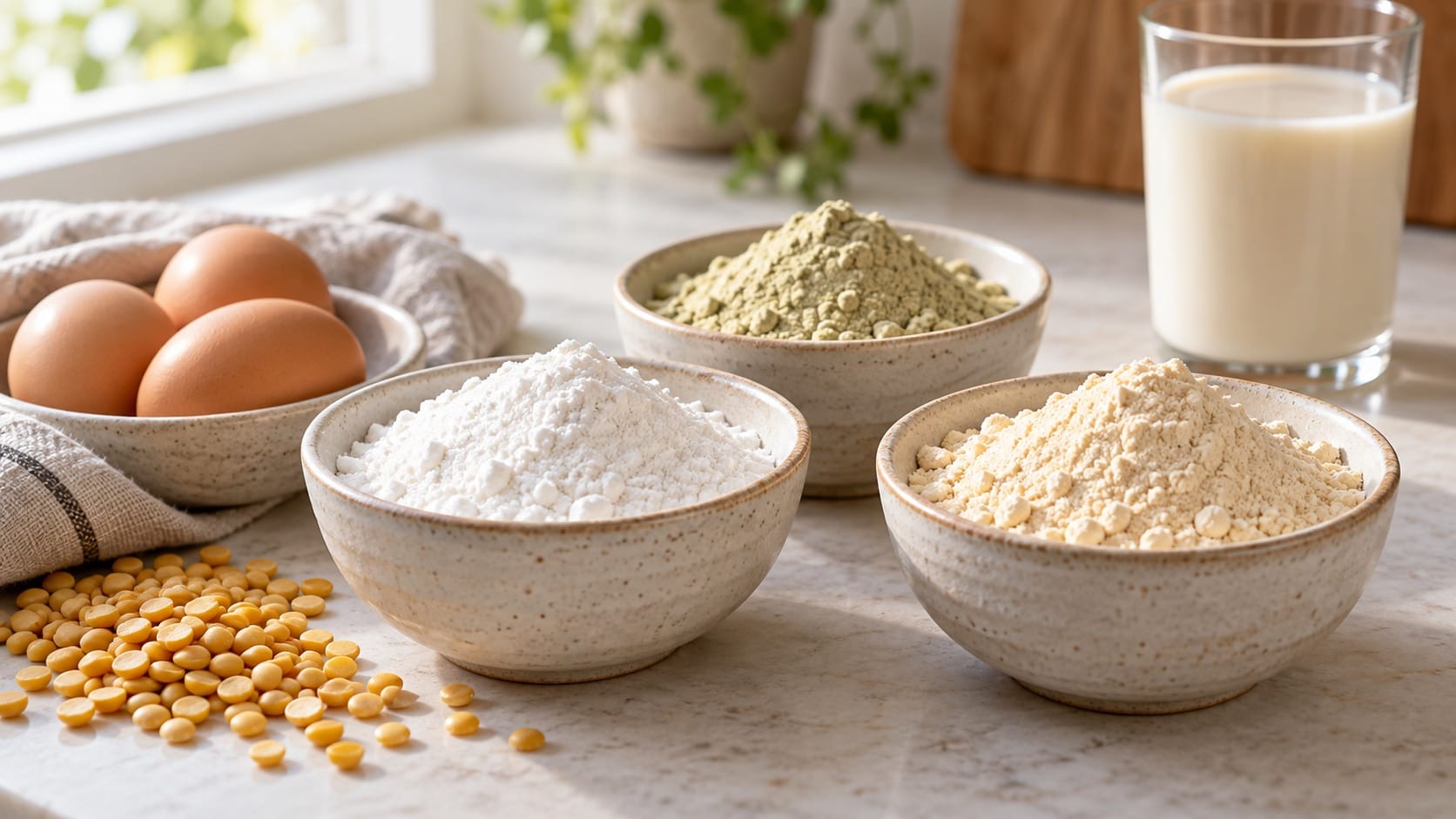
We include products we think are useful for our readers. If you buy through links on this page, we may earn a small commission.
I am Fred, a marketer, not a doctor or dietitian, and I did not try these products. "Lactose-free" and "dairy-free" are not the same thing, and the right protein powder depends on which one you need: lactose intolerance, a milk allergy, a vegan diet, or a sensitive gut on a low-FODMAP diet. This page sorts that out and compares five options sold on iHerb by protein source, lactose, sweeteners, price per 25 g of protein and certifications that appear in the certifier's own database. AI helps me draft; every claim links to its source. Prices checked 27–28 October 2026, iHerb US.
The short answer
- Lactose intolerant but fine with dairy protein: an unflavored whey isolate, such as NOW Sports Whey Protein Isolate (0 g sugar per scoop, Informed Sport listed, $1.55 per 25 g).
- Milk allergy or dairy-free: egg white protein (NOW Sports Egg White, Informed Sport listed) or a plant protein (NOW Sports Pea, $0.91 per 25 g).
- Low-FODMAP diet: egg white protein or whey isolate are the safest bets; avoid powders with inulin, chicory root, sugar alcohols or whole-legume flours.
- Vegan: plant protein; see also best vegan protein powders.
Lactose-free vs dairy-free: which do you need?
- Lactose intolerance is trouble digesting milk sugar. Most adults with it tolerate 12–15 g of lactose at once (Shaukat et al., Annals of Internal Medicine, 2010), and a scoop of whey isolate contains about 1 g or less. Whey isolate is usually fine.
- Milk allergy is an immune reaction to milk proteins, including whey and casein; milk is one of the nine major food allergens in the US (FDA). You need a fully dairy-free powder and should check "may contain milk" warnings.
- Vegan or dairy-free by choice: plant protein, or egg white if you eat eggs.
- IBS and the low-FODMAP diet: lactose is only one of several FODMAPs; sweeteners and fibers added to powders matter as much.
Is "lactose-free whey" real?
Whey protein isolate is filtered until it is at least 90% protein, with very little lactose left (USDA technical report on whey, 2015). Lactose shows up under "Total Sugars", so the label gives you an upper limit: the unflavored isolates I compared list 0–1 g of sugar per scoop. Most products do not carry a formal "lactose-free" claim, so people who react to traces should choose a non-dairy powder. More on symptoms in whey protein side effects.
Low-FODMAP protein powder
FODMAPs are short-chain carbohydrates (fermentable oligosaccharides, disaccharides, monosaccharides and polyols) that are poorly absorbed and can trigger symptoms in people with irritable bowel syndrome; a low-FODMAP diet is now a front-line approach for IBS (Gibson, Journal of Gastroenterology and Hepatology, 2017). For protein powders, that means watching for:
- Lactose (a disaccharide): higher in whey concentrate, milk protein and powders with added milk; low in whey isolate.
- Fructans such as inulin or chicory root fiber, added to some powders for texture or fiber. For example, Optimum Nutrition Gold Standard 100% Casein lists inulin; see casein vs whey.
- Polyols such as sorbitol, xylitol and erythritol, which Monash University lists among the FODMAPs found in sweetened foods (Monash University FODMAP guide).
- Whole legumes, which Monash lists as high in GOS (Monash University FODMAP guide). Pea protein isolate is processed to remove most of the carbohydrate, but I found no published FODMAP test of pea protein isolate, so during the strict phase of the diet egg white or whey isolate are safer choices.
Eggs are a low-FODMAP protein according to Monash (Monash University FODMAP guide), which makes unflavored egg white powder a simple option. The Monash University FODMAP app lists tested foods if you need certainty for a specific product.
5 options compared
| Product | Protein source | Lactose | Dairy-free | Sweetener | Price per 25 g protein | Certification verified in certifier database |
|---|---|---|---|---|---|---|
| NOW Sports Whey Protein Isolate (unflavored) | Whey isolate (milk) | Low: 0 g sugar per scoop | No | none | $1.55 | Informed Sport |
| NOW Sports Egg White Protein (unflavored) | Egg white | None | Yes | none | $2.13 | Informed Sport |
| Nutricost Egg White Protein (unflavored) | Egg white | None | Yes | none | $2.90 | — |
| NOW Sports Pea Protein (unflavored) | Pea isolate | None | Yes | none | $0.91 | Informed Sport |
| Thorne Plant Protein (vanilla) | Pea, chia, rice | None | Yes | Reb M + monk fruit | $2.78 | NSF Certified for Sport |
"—" means I found no certification for that product in the NSF, Informed Choice or Informed Sport databases. Price per 25 g of protein = price ÷ (servings × grams of protein per serving) × 25. Prices change daily.
The picks, one by one
Lactose intolerance: NOW Sports Whey Protein Isolate, unflavored
24 g protein per scoop · $1.55 per 25 g of protein
Whey isolate plus 1% sunflower lecithin, 0 g of sugar per scoop, no sweeteners, Informed Sport listed (confirmed in the database). Also the lowest-lead category in the Consumer Reports test: dairy-based powders (Consumer Reports, Oct 2025, updated Jan 2026).
What to keep in mind: Still dairy: not for a milk allergy or a vegan diet.
Dairy-free and low-FODMAP: NOW Sports Egg White Protein, unflavored
15 g protein per scoop · $2.13 per 25 g of protein
Egg white protein with sunflower lecithin, no dairy, no legumes and no sweeteners. Listed in the Informed Sport database.
What to keep in mind: Only 15 g of protein per 20 g scoop, so you need more powder per serving. Not for people with an egg allergy.
Dairy-free, cheapest: NOW Sports Pea Protein, unflavored
24 g protein per scoop · $0.91 per 25 g of protein
Single-ingredient pea protein isolate, the cheapest protein per gram I have compared, Informed Sport listed (confirmed).
What to keep in mind: Plant proteins tend to carry more lead than dairy ones (Consumer Reports, Oct 2025, updated Jan 2026); this product was not in that test. Its FODMAP content has not been published.
Dairy-free, flavored and certified: Thorne Plant Protein, vanilla
22 g protein per scoop · $2.78 per 25 g of protein
Pea, chia and rice protein, sweetened with Reb M (stevia) and monk fruit rather than sugar alcohols, NSF Certified for Sport (confirmed).
What to keep in mind: More expensive per gram. Contains legume protein, so test your tolerance if you follow a low-FODMAP diet.
Also compared: Nutricost Egg White Protein, a single-ingredient egg white powder at $2.90 per 25 g, with no certification found.
How I chose
- Only products sold on iHerb in the US, chosen to cover each need: low lactose, dairy-free animal protein, and dairy-free plant protein.
- A certification counts only if I found the product in the certifier's own database.
- Ingredients checked against the FODMAP groups listed by Monash University.
- I did not try these products. For more whey isolates, see best whey protein isolate; for more plant powders, best vegan protein powders.
Frequently asked questions
What is the best protein powder for lactose intolerance?
An unflavored whey isolate is usually tolerated, since a scoop has about 1 g of lactose or less; if not, egg white or plant protein.
Is whey isolate dairy-free?
No. It is low in lactose but still a milk protein, so it is not suitable for a milk allergy or a vegan diet.
Is pea protein low-FODMAP?
Whole peas are high in FODMAPs; pea protein isolate has most of the carbohydrate removed, but I found no published FODMAP measurement for it.
What protein powder is best for a sensitive stomach?
One with few ingredients: unflavored whey isolate or egg white, without inulin, chicory root or sugar alcohols.