Immune System Boosters: Effective Supplements for Immune Health
Effective supplements can strengthen your immune system and support overall health, helping your body defend against illnesses naturally and efficiently.

We include products we think are useful for our readers. If you buy through links on this page, we may earn a small commission.
An effective immune system booster does not “supercharge” immunity or guarantee protection from infection. Instead, the best immune health supplements supply nutrients or plant compounds that help immune cells function normally, especially when diet, limited sunlight, illness, or another factor creates a deficiency. Vitamin D, vitamin C, zinc, selected probiotics, and a few evidence-supported botanical products may be useful in the right circumstances. Their benefits, however, depend on the dose, formulation, timing, and individual taking them. Supplements work best as targeted additions to adequate nutrition, sleep, physical activity, vaccination, and appropriate medical care—not as replacements for those foundations.
What an Immune System Booster Can—and Cannot—Do | Vitamin D: A High-Priority Nutrient When Levels Are Low | Vitamin C Supplements: Useful Support, Not a Cold Cure | Zinc: Most Promising When Used Correctly and Early | Probiotics and the Gut–Immune Connection | Herbs and Other Natural Immune Boosters | Combination Formulas and How to Read the Label | Building an Evidence-Based Supplement Strategy | Frequently Asked Questions
What an Immune System Booster Can—and Cannot—Do
The immune system is a coordinated network of physical barriers, signaling molecules, specialized cells, and tissues. It must respond forcefully enough to control pathogens while remaining regulated enough to avoid unnecessary inflammation and damage. For that reason, “stronger” immunity is not always better. The practical goal is well-supported, appropriately balanced immune function.
Micronutrients contribute to that balance in several ways. Some help maintain protective barriers, some support the production and activity of immune cells, and others participate in antioxidant defenses or inflammatory signaling. A true nutrient deficiency can interfere with these processes. Correcting it may produce a meaningful improvement, while taking increasingly large doses after nutritional needs have been met usually offers diminishing returns and can introduce risks.
Supplement research also requires careful interpretation. A product may improve a laboratory marker without reducing the likelihood, severity, or duration of real-world illness. Results from people with a deficiency may not apply to well-nourished adults. Studies can also use standardized extracts or precisely measured formulas that differ substantially from products sold under the same general ingredient name.
When evaluating natural immune boosters, look for clinically relevant outcomes, consistent findings, safe doses, and transparent manufacturing. Be skeptical of products promising instant protection, “detoxification,” or immunity so powerful that vaccines, prescribed medicines, or medical assessment become unnecessary. No over-the-counter supplement has been shown to prevent every respiratory infection.

Vitamin D: A High-Priority Nutrient When Levels Are Low
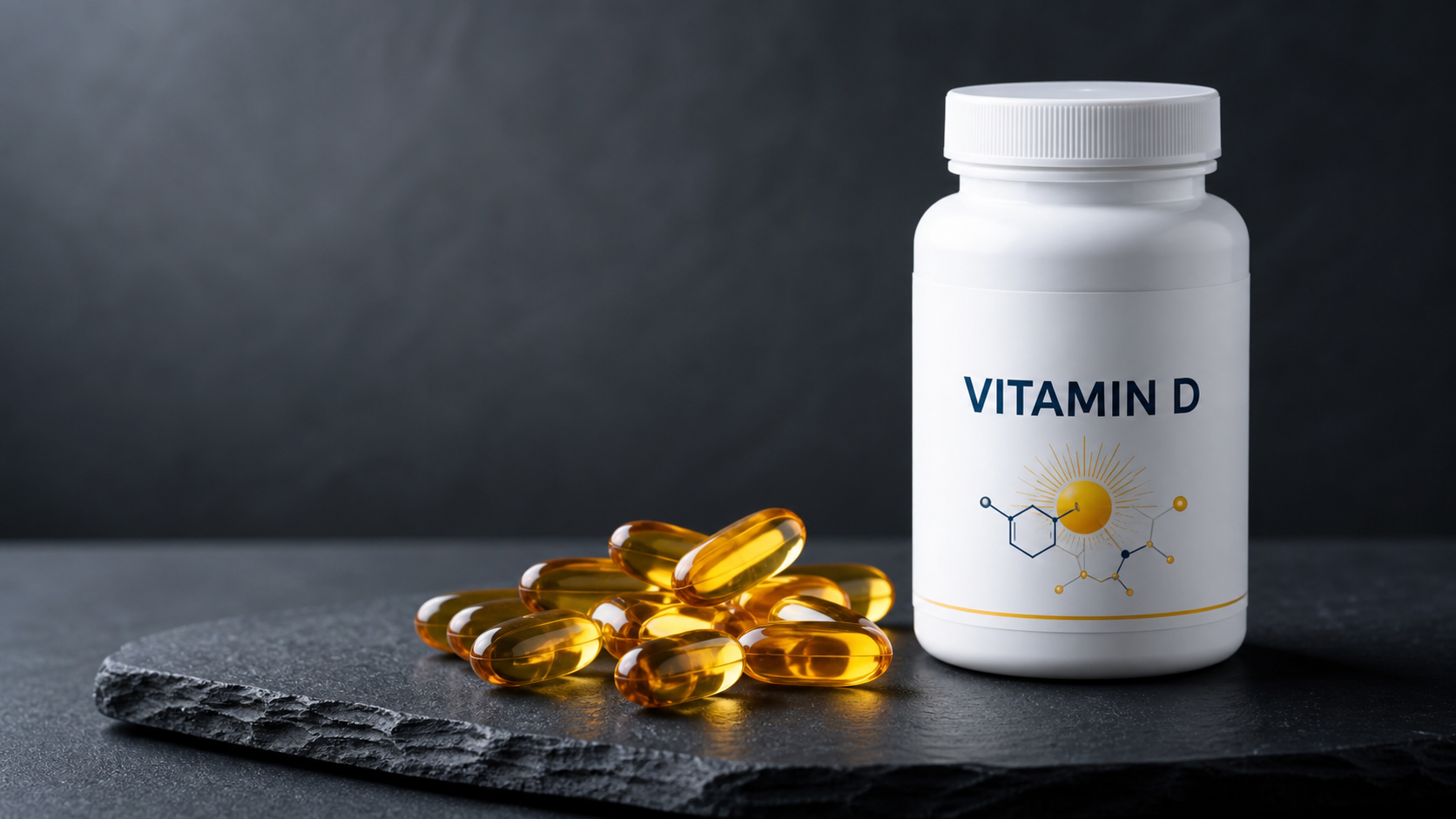
Vitamin D is involved in both innate immunity, the body’s rapid first response, and adaptive immunity, which creates more specific responses. Immune cells contain vitamin D receptors, and adequate vitamin D status supports normal antimicrobial and regulatory activity. Low levels are common in people with limited sun exposure, darker skin pigmentation, malabsorption, certain medical conditions, or diets containing little fortified food or oily fish.
Evidence linking vitamin D supplementation with fewer acute respiratory infections is mixed but suggests the greatest potential benefit among people who begin with low vitamin D levels. Regular daily or weekly dosing appears more biologically sensible than taking very large, infrequent “bolus” doses without medical direction. Vitamin D should therefore be viewed as a targeted nutrient, not a universal high-dose remedy.
A blood test for 25-hydroxyvitamin D can help clinicians determine whether supplementation is needed and how much is appropriate. Many general supplements provide modest maintenance doses, but the correct amount varies with baseline status, diet, sun exposure, age, absorption, and health history. Because vitamin D is fat-soluble, excessive intake can accumulate and lead to high calcium levels, kidney problems, nausea, weakness, or abnormal heart rhythms.
People with kidney disease, sarcoidosis or another granulomatous disorder, hyperparathyroidism, or a history of high calcium should seek professional guidance before taking vitamin D. When supplementation is appropriate, choose a product with a clearly stated dose and independent quality verification rather than assuming that the highest-strength option is the most effective.
Vitamin C Supplements: Useful Support, Not a Cold Cure
Vitamin C supports epithelial barriers, antioxidant defenses, and several functions of immune cells. It is also essential for collagen formation and helps regenerate other antioxidants. Fruits and vegetables—including citrus fruit, kiwi, berries, peppers, broccoli, and tomatoes—can usually provide enough for healthy adults, while vitamin C supplements may help people with restricted diets, poor intake, smoking-related oxidative stress, or certain absorption problems.
Regular vitamin C supplementation does not appear to prevent most common colds in the general population. Research does indicate that routine use may modestly shorten cold duration or reduce symptom severity for some people. The preventive effect may be more noticeable in individuals exposed to brief periods of intense physical stress, but that finding does not make vitamin C a reliable shield against infection.
Timing matters when interpreting the evidence. Taking vitamin C consistently before a cold is different from starting a large dose after symptoms appear. Studies of treatment begun after symptom onset have produced inconsistent results. This makes labels such as “rapid immune system booster” misleading, even when the product contains a nutrient with genuine biological importance.
Moderate doses are generally well tolerated, but gram-level intake can cause diarrhea, cramping, and nausea. High doses may increase urinary oxalate and could be unsuitable for people prone to particular kidney stones or those with iron-overload disorders, because vitamin C enhances iron absorption. A divided dose may be easier to tolerate, yet more is not necessarily more useful: absorption becomes less efficient as the dose rises.

Zinc: Most Promising When Used Correctly and Early
Zinc is required for immune-cell development, barrier integrity, wound healing, and normal signaling. Deficiency can impair immune responses, but routine severe deficiency is uncommon among people eating varied diets. Risk can be higher with malabsorption, restrictive eating patterns, chronic gastrointestinal illness, or low intake of zinc-rich foods such as meat, shellfish, dairy products, beans, nuts, and fortified cereals.
Zinc lozenges have been studied as a treatment for the common cold. Some evidence suggests that an adequately dosed lozenge started within roughly 24 hours of symptom onset may shorten illness, although study results vary because formulations, zinc salts, total daily amounts, and lozenge schedules differ. A standard swallowed zinc tablet is not interchangeable with a lozenge designed to dissolve slowly in the mouth.
Side effects include nausea, stomach upset, and an unpleasant taste. Long-term high-dose zinc can interfere with copper absorption, contribute to anemia or neurologic problems, and adversely affect cholesterol profiles. Zinc also interacts with certain antibiotics and other medicines; separating doses may be necessary under a pharmacist’s guidance.
Avoid intranasal zinc products. They have been associated with loss of smell, which can be prolonged or permanent. Oral zinc should also not be treated as a long-term, high-dose insurance policy. It is most defensible when correcting inadequate intake or when a suitable lozenge is used briefly and carefully for a cold.
Probiotics and the Gut–Immune Connection
The intestinal microbiome communicates with the immune system and helps maintain the gut barrier. This relationship makes probiotics appealing immune health supplements, but “probiotic” is a broad category rather than a single treatment. Effects are strain-specific: evidence for one identified strain cannot automatically be transferred to a different species, combination, or generic product.
Reviews of clinical trials suggest that certain probiotic strains or combinations may modestly reduce the incidence or duration of upper respiratory infections. However, certainty is limited by differences in study populations, formulations, doses, and definitions of illness. The expected benefit is generally small, and a probiotic should not be marketed as if it produces immediate, comprehensive immune protection.
A useful label lists the full strain designation, not merely the genus and species. It should also state the number of viable organisms through the end of shelf life, storage requirements, serving size, and allergen information. More colony-forming units do not automatically mean a better product; strain selection and demonstrated stability matter more than an impressive-looking number.
Probiotics are often well tolerated, although gas and bloating may occur initially. People who are severely immunocompromised, critically ill, or living with central venous access or major barrier impairment should consult their medical team before using them. Rare bloodstream infections linked to probiotic organisms have occurred in highly vulnerable patients.
Herbs and Other Natural Immune Boosters
Botanical supplements are popular because they are perceived as gentle and traditional, but natural origin does not ensure effectiveness or safety. Plants contain biologically active chemicals, and the amount present can vary with species, plant part, cultivation, extraction method, and storage. The most credible evidence generally applies to a particular standardized preparation rather than every tea, gummy, tincture, or capsule bearing the herb’s name.
Echinacea is among the most studied herbal products for colds. Findings remain inconsistent: some preparations may offer a modest preventive or symptom benefit, while others perform no better than placebo. Variation among species and extracts makes broad conclusions difficult. Echinacea may cause allergic reactions, particularly in people sensitive to plants in the daisy family, and it may be unsuitable with some immune-modifying treatments.
Elderberry has laboratory activity that has encouraged interest, but human clinical evidence is limited and does not establish it as a dependable treatment or preventive supplement for influenza, COVID-19, or other infections. Raw or improperly prepared elderberries and other parts of the plant can contain compounds that cause nausea, vomiting, or diarrhea. Commercial preparation does not compensate for weak evidence behind sweeping health claims.
Garlic contains sulfur compounds with plausible antimicrobial and immunologic effects, yet clinical research on cold prevention remains limited. It can cause digestive discomfort and may increase bleeding risk, especially in concentrated supplemental form or when combined with anticoagulant or antiplatelet medicines. Astragalus, medicinal mushrooms, andrographis, and beta-glucans are also promoted for immune health, but formulations and evidence vary, and interactions are possible.
Botanical supplements deserve the same scrutiny as conventional products. Check the exact ingredient, extraction ratio, standardization, contaminants testing, and contraindications. People with autoimmune disease, liver disease, upcoming surgery, pregnancy, or complex medication regimens should obtain individualized advice before using concentrated herbs.
Combination Formulas and How to Read the Label
Multi-ingredient “immune defense” formulas often combine vitamin C, vitamin D, zinc, selenium, herbs, and probiotics. Convenience is their chief advantage. Their main weakness is that they can hide unnecessary doses inside proprietary blends, duplicate nutrients from a multivitamin, and make it difficult to identify which ingredient caused a side effect.
Start by comparing each nutrient amount with the daily value and established upper intake level. Remember to count food, fortified drinks, multivitamins, individual capsules, powders, and lozenges together. Excessive totals can accumulate surprisingly quickly, particularly for zinc, selenium, vitamin A, and vitamin D. Preformed vitamin A deserves special caution during pregnancy, while excessive selenium can lead to brittle nails, hair loss, digestive symptoms, or neurologic effects.
Prefer labels that disclose exact quantities and complete botanical names. Independent certification from a reputable testing organization can provide added assurance that the contents match the label and that the product meets standards for selected contaminants. Such certification verifies aspects of quality; it does not prove that the formula improves immunity.
Also consider the delivery format. Gummies may contain added sugars and can be mistaken for candy. Effervescent products may contain substantial sodium. Powders can produce dosing errors if the scoop is unclear, while lozenges may expose teeth to sugar or acid repeatedly. The most sophisticated-looking formula is not necessarily superior to a single, appropriately selected nutrient.
Building an Evidence-Based Supplement Strategy
The best strategy begins with the reason for supplementation. A clinician may identify a deficiency through diet history, symptoms, health conditions, or laboratory testing. From there, a single-ingredient product often permits more precise dosing and clearer evaluation than a crowded blend. Set a goal, such as correcting low vitamin D, supporting inadequate dietary intake, or briefly using an evidence-aligned zinc lozenge at the start of a cold.
Review supplements with a physician or pharmacist if you take prescription medicines, are pregnant or breastfeeding, have kidney or liver disease, live with an autoimmune condition, receive cancer treatment, or are preparing for surgery. Children and older adults may have different dosing needs and greater vulnerability to adverse effects. A supplement that is safe for one person may be inappropriate for another.
Keep expectations realistic. Sleep, protein and calorie adequacy, varied plant foods, regular movement, stress management, hand hygiene, recommended vaccination, and avoidance of tobacco all influence infection risk or immune resilience. Supplements cannot reliably cancel out chronic sleep loss, nutritional deprivation, or exposure to pathogens.
Finally, seek medical evaluation for breathing difficulty, confusion, dehydration, persistent high fever, chest pain, bluish or gray coloration, rapidly worsening symptoms, or illness in a high-risk individual. Supplements are supportive tools, not emergency treatments. A scientifically grounded immune system booster is ultimately a carefully chosen addition to a broader health plan.
Related Articles
- Essential Mineral Supplements: Iodine, Iron, and Chromium Explained
- Probiotic Supplements: Immune and Gut Health Benefits
- Brain Supplements: Boost Cognitive Health and Performance
- Taurine Supplement: Benefits and Usage Guide
Frequently Asked Questions
What is the best immune system booster to take every day?
There is no single best daily supplement for everyone. The most useful option is usually the nutrient a person lacks, such as vitamin D when a blood test confirms low status. People with adequate diets and no deficiency may gain little from routine high-dose products. A clinician or registered dietitian can help identify a genuine need.
Do vitamin C supplements prevent colds?
For most people, routine vitamin C does not prevent the common cold. Consistent supplementation may modestly shorten its duration or lessen symptoms, with potentially greater preventive benefit during periods of extreme physical exertion. Starting a large dose only after symptoms appear has not produced consistently convincing results.
Can I take vitamin C, vitamin D, and zinc together?
These nutrients can generally be taken together at appropriate doses, but combining products may unintentionally exceed safe intake levels. Zinc may also interact with certain antibiotics, and high vitamin D intake can be risky in specific medical conditions. Check every label and discuss the total dose with a pharmacist or clinician.
How long do immune health supplements take to work?
The answer depends on the purpose. Correcting a deficiency may take weeks or months and can require follow-up testing. A zinc lozenge, if suitable, is studied for use very early in a cold rather than as a delayed remedy. Probiotics and botanical products have formulation-specific timelines, and none should be expected to provide instant protection from infection.