Collagen Supplements for Women: Top Powders and Benefits
Collagen supplements for women support skin health and joint strength with top powders that enhance beauty and wellness naturally and effectively.

We include products we think are useful for our readers. If you buy through links on this page, we may earn a small commission.
The best collagen powder for women is a hydrolyzed collagen peptide product that supplies a clearly labeled dose, contains minimal unnecessary additives, and has been independently tested for purity. Bovine collagen peptides are versatile choices for skin and general aging support, while marine collagen may appeal to women prioritizing skin or avoiding bovine ingredients. Although collagen supplements are not miracle treatments, consistent daily use may modestly improve skin hydration and elasticity and may help reduce certain types of joint discomfort.
How Collagen Powder Works | Potential Benefits for Skin, Joints, and Healthy Aging | Top Collagen Powders for Women | How to Choose a High-Quality Collagen Supplement | Dosing, Timing, and How to Use Collagen Powder | Safety, Side Effects, and Who Should Be Cautious | Frequently Asked Questions
How Collagen Powder Works
Collagen is the principal structural protein in skin, cartilage, tendons, ligaments, and bone. Its tightly organized fibers give tissues strength while allowing a degree of flexibility. The body continually breaks down and rebuilds collagen, but production gradually declines with age. Sun exposure, smoking, inadequate nutrition, and other sources of oxidative stress can accelerate that loss.
Most collagen powder contains hydrolyzed collagen, also called collagen peptides. During hydrolysis, large collagen molecules are broken into smaller peptide chains that dissolve more easily and can be digested and absorbed. The digestive system does not deliver an intact scoop of collagen directly to the face or knees. It breaks the product into amino acids and small peptides, which enter the body’s general nutrient pool.
Some absorbed peptides may also act as biological signals involved in collagen synthesis. That mechanism is plausible, but individual outcomes remain difficult to predict. Genetics, overall protein intake, estrogen status, sun exposure, exercise, sleep, and medical conditions all affect connective tissue health.
Collagen is particularly rich in glycine, proline, and hydroxyproline. It is not a complete protein, however, because it lacks tryptophan and contains relatively little of some other essential amino acids. It should therefore complement—not replace—foods such as dairy, eggs, fish, poultry, soy, beans, or a nutritionally complete protein powder.
Potential Benefits for Skin, Joints, and Healthy Aging
The most widely studied reason women use collagen is skin support. Several trials and pooled analyses have associated oral hydrolyzed collagen with modest improvements in skin hydration and elasticity after regular use. A systematic review and meta-analysis of randomized trials found favorable changes in both measures, although products, doses, and study methods varied considerably.
More recent scrutiny has added an important qualification. A 2025 meta-analysis reported that favorable skin results were concentrated in industry-funded studies, while independently funded studies did not demonstrate the same effects. Consequently, collagen for skin is best viewed as an optional, potentially helpful addition rather than a proven anti-aging therapy. Daily broad-spectrum sunscreen, avoiding tobacco, adequate dietary protein, and evidence-based topical skin care remain more established strategies.
Joint support is another reasonable use. Collagen peptides supply amino acids found in cartilage and other connective tissues, and clinical studies suggest some formulations may improve pain or function in people with knee osteoarthritis. An updated systematic review of randomized trials found improvements in pain and function, but the studies showed substantial variability. Collagen should not replace physical therapy, strength training, weight management, or medical care for persistent joint symptoms.
Claims involving thicker hair, faster nail growth, stronger bones, muscle gain, or relief from menopausal symptoms are less certain. Nails may feel less brittle for some users, but robust evidence is limited. Collagen can contribute protein to the diet, yet it is inferior to a complete protein for building muscle. Women concerned about osteoporosis need a broader plan involving resistance exercise, adequate calcium and vitamin D, clinical risk assessment, and medication when indicated.

Top Collagen Powders for Women
No single formula is ideal for every woman. The most useful recommendations are based on goals, source, dose, tolerability, and testing rather than packaging that is pink or labeled “for women.” Product formulas and certifications can change, so verify the current label before purchasing.
Best overall: a plain bovine collagen peptide powder
An unflavored, single-ingredient bovine collagen peptide powder is the strongest all-purpose choice. It typically supplies types I and III collagen, dissolves in hot or cold drinks, and offers a practical dose without added sugar. Look for approximately 10 grams per serving, a short ingredient list, and evidence of testing by an independent laboratory or recognized certification program.
Best for skin-focused use: hydrolyzed marine collagen
Marine collagen, usually derived from fish skin or scales, is predominantly type I collagen—the major type present in skin. It can be an appropriate collagen for skin when a woman avoids beef or prefers a pescatarian source. It is not vegan, and it is unsuitable for anyone with a fish allergy. Marine products often cost more and may develop a noticeable flavor if poorly processed.
Best budget option: store-brand unflavored collagen peptides
A basic store-brand or bulk collagen powder can perform the same nutritional role as an expensive beauty blend if its source, serving size, and quality controls are comparable. Cost per effective serving matters more than the size of the container. Divide the price by the number of servings that provide your intended dose rather than relying on front-label serving claims.
Best flavored option: lightly sweetened collagen without megadoses
Flavored powders can make consistency easier, especially in water or smoothies. Choose one with modest added sugar and avoid blends overloaded with biotin, zinc, vitamin A, or multiple herbal ingredients. Extra ingredients do not automatically improve collagen absorption, and large nutrient doses may create side effects or interfere with laboratory testing.
Best for joint-focused routines: collagen peptides in a 10-gram serving
For active women or those exploring nutritional support for joint discomfort, a powder providing about 10 grams of hydrolyzed collagen peptides is convenient. Some joint products contain undenatured type II collagen in much smaller doses, but that is a distinct ingredient with different research and should not be confused with gram-dose collagen peptides.
Best minimalist option: independently tested single-ingredient powder
Women who are pregnant, breastfeeding, managing allergies, or taking several medications may prefer the simplest possible formula, subject to clinician approval. A single-ingredient powder makes it easier to identify the animal source and avoid sweeteners, botanicals, gums, and nutrient megadoses. Independent testing cannot guarantee a benefit, but it provides greater confidence that the container matches its label.
How to Choose a High-Quality Collagen Supplement
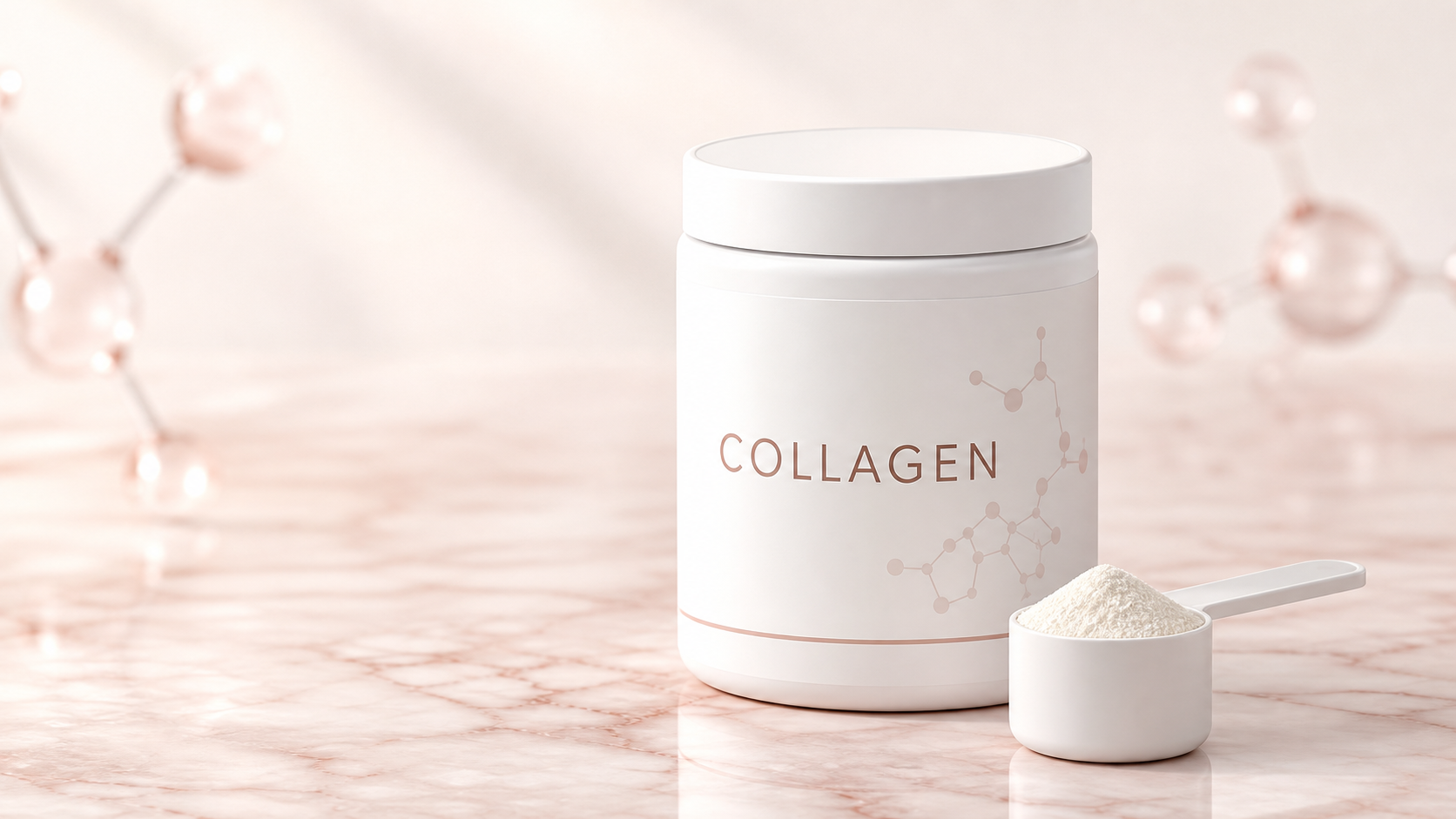
Begin with the Supplement Facts panel. “Hydrolyzed collagen” and “collagen peptides” generally describe the soluble form used in most powders. The label should state the amount of collagen per serving rather than hiding it within a proprietary blend. A serving that contains one or two grams may be substantially below the amount used in many studies.
Next, identify the source. Bovine collagen commonly supplies types I and III and is usually the most economical. Marine collagen is rich in type I and may suit pescatarians, but fish allergies and higher prices are important considerations. Porcine collagen is another effective animal source but may conflict with dietary or religious preferences. Genuine collagen cannot be vegan because plants do not produce it; “vegan collagen” products usually contain nutrients intended to support the body’s own collagen synthesis.
Quality assurance deserves as much attention as marketing claims. In the United States, dietary supplements are regulated differently from medicines and do not undergo premarket approval for effectiveness. The FDA’s dietary-supplement guidance explains its oversight role. Prefer manufacturers that provide lot-specific testing or use credible independent certification for identity and contaminants.
Finally, assess the complete formula. Vitamin C is required for normal collagen synthesis, but most women can obtain it from fruit and vegetables; a large supplemental dose is unnecessary. Added hyaluronic acid, probiotics, herbs, or beauty nutrients may raise the price without proving that the blend works better than collagen alone.
Dosing, Timing, and How to Use Collagen Powder
There is no universally established daily requirement for collagen. Studies have used a wide range of amounts, commonly about 2.5 to 10 grams per day for skin outcomes and 5 to 15 grams for musculoskeletal goals. A practical starting point is 5 grams daily for a skin-focused routine or 10 grams daily when joint support is also a priority, provided the label and a healthcare professional do not indicate otherwise.
Timing is much less important than consistency. Collagen can be taken in the morning, after exercise, or with an evening meal. It does not need to be consumed on an empty stomach. Mix unflavored powder into coffee, tea, oatmeal, yogurt, soup, or a smoothie. Hydrolyzed collagen is generally stable in an ordinary hot drink, although prolonged extreme heat is unnecessary.
Give the routine enough time for a fair assessment. Skin studies often last eight to twelve weeks, while joint outcomes may require three to six months. Take a baseline photograph under consistent lighting or record joint symptoms and activity limitations before starting. If there is no meaningful improvement after a reasonable trial, continuing indefinitely is unlikely to be a good use of money.
More is not necessarily better. Large servings add expense and can cause fullness or digestive discomfort. Count collagen toward total daily protein, but do not let it displace complete protein sources. Women who strength train should continue prioritizing complete, leucine-rich protein distributed across meals.
Safety, Side Effects, and Who Should Be Cautious
Collagen supplements are generally well tolerated, but they can cause bloating, nausea, heartburn, an unpleasant aftertaste, or changes in bowel habits. Starting with a smaller amount and increasing gradually may help. Stop using a product and seek urgent care for signs of a serious allergic reaction, including facial swelling, breathing difficulty, or widespread hives.
Allergies are source-specific. Marine collagen is inappropriate for a fish allergy, while bovine, porcine, chicken, or eggshell-derived products may pose other risks. Check both the ingredient list and allergen statement, particularly when a blend uses several collagen sources.
Pregnant or breastfeeding women should consult their maternity clinician because safety data for many supplements and added ingredients are limited. Medical advice is also appropriate for people with kidney disease, liver disease, metabolic disorders, recurrent kidney stones, restricted-protein diets, or complex medication regimens. A supplement should never be used to self-treat unexplained pain, swelling, sudden skin changes, or other persistent symptoms.
Biotin is common in beauty-oriented collagen supplements and deserves special caution. High supplemental intakes can distort certain laboratory results, including some thyroid and cardiac tests. Tell healthcare professionals about every supplement you take and follow their instructions about pausing biotin before blood testing.
Related Articles
- Protein and Collagen Powders: Muscle, Joint, and Skin Health
- Neocell Super Collagen: Benefits, Ingredients, and Reviews
- Collagen Protein: Types, Benefits, and Supplement Options
- Collagen Protein Powder: Benefits for Skin, Joints, and Wellness
Frequently Asked Questions
What is the best collagen powder for women over 40?
A plain hydrolyzed bovine collagen peptide powder is a sensible general choice because it provides types I and III collagen, mixes easily, and is usually affordable. Marine type I collagen is an alternative for pescatarians or women with a strong skin-focused preference. Purity, an adequate labeled dose, and independent testing matter more than age-specific branding.
How long does collagen powder take to work?
If a benefit occurs, skin hydration or elasticity may change after roughly eight to twelve weeks of daily use. Joint symptoms may require three to six months. Results are often subtle and not everyone responds. Keeping skin care, diet, and activity habits stable during the trial makes the effect easier to judge.
Can women take collagen supplements every day?
Most healthy adults can use an appropriately sourced collagen supplement daily, assuming they tolerate it and follow the product directions. Daily use is not mandatory for health, and collagen should remain part of a balanced diet rather than the primary protein source. Women with allergies, chronic illnesses, pregnancy, or medication concerns should seek individualized guidance.
Is marine collagen better than bovine collagen for skin?
Marine collagen is rich in type I collagen and is frequently promoted for skin, but current evidence does not establish that it is universally superior to bovine collagen peptides. A high-quality bovine product may be equally practical and usually costs less. Dietary preferences, allergies, taste, testing, and dose are better deciding factors than claims of exceptional absorption.