Neocell Super Collagen: Benefits, Ingredients, and Reviews
Neocell Super Collagen supports skin, hair, and joint health with powerful ingredients designed to boost collagen production and improve overall wellness.


Paid links: Some links in this article go to iHerb through an affiliate program: if you buy something after clicking one, StarterScience earns a commission and you pay the same price. That commission never changes how we describe the evidence, including when the evidence is weak. This article is general information, not medical advice — talk to a qualified healthcare professional before starting any supplement.
NeoCell Super Collagen is a line of bovine collagen supplements designed to provide hydrolyzed collagen peptides, primarily types I and III, in powder or tablet form. Its strongest potential benefits are modest improvements in skin hydration and elasticity after consistent use, while support for nails, hair, joints, and bones is plausible but less predictable. NeoCell is convenient and widely reviewed, but it is not a proven anti-aging treatment, and results depend on the specific formula, dose, diet, health status, and duration of use.
What Is NeoCell Super Collagen? | Potential Benefits of NeoCell Super Collagen | Ingredients and Formula Explained | Clinical Background: What the Research Really Shows | NeoCell Reviews: What Users Commonly Report | How to Take NeoCell Super Collagen | Safety, Side Effects, and Who Should Avoid It | Is NeoCell Super Collagen Worth It? | Frequently Asked Questions
What Is NeoCell Super Collagen?
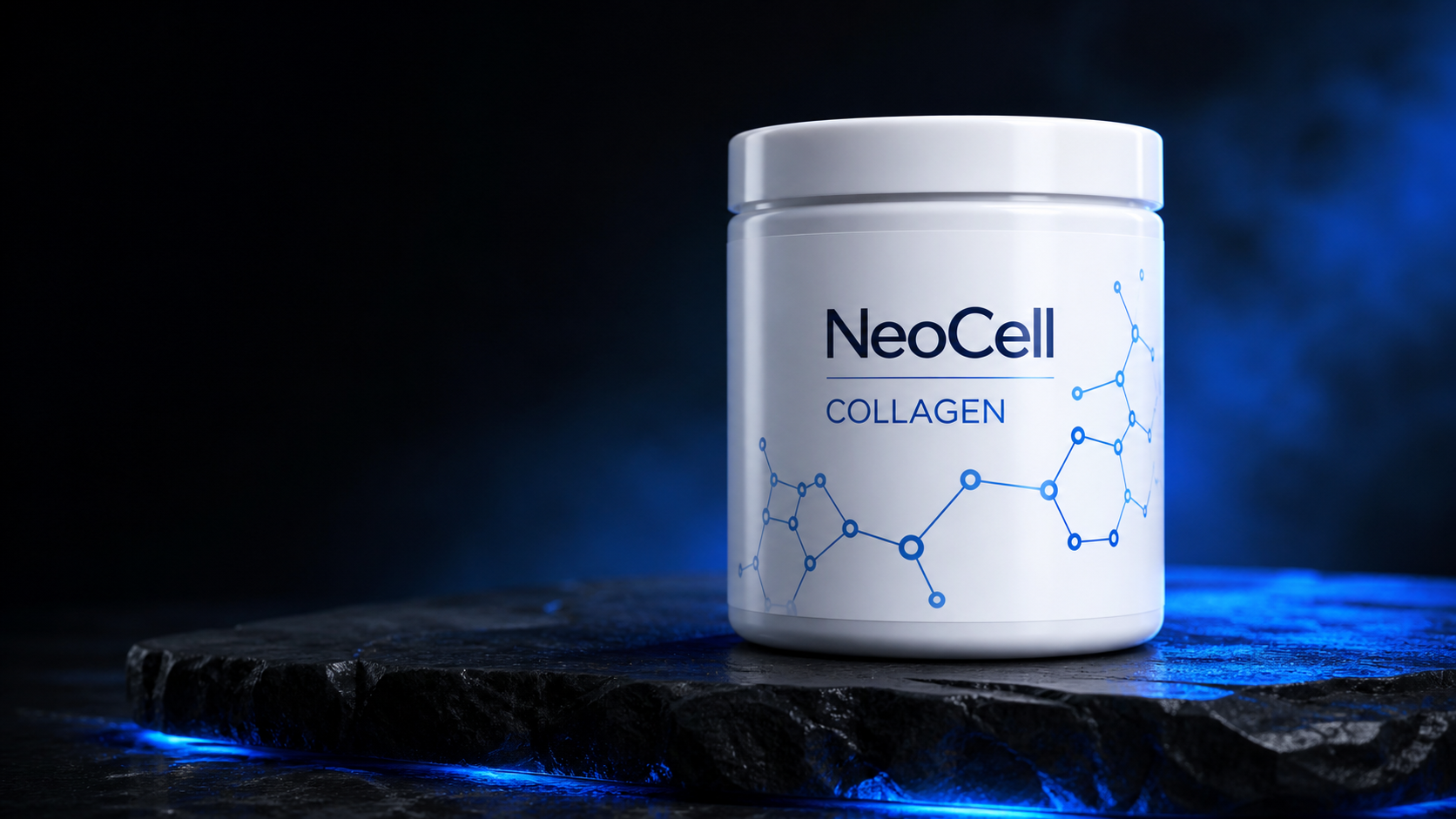
NeoCell Super Collagen is not one single, universal formula. The name covers several related products, including unflavored collagen-peptide powder and tablets that may contain vitamin C, biotin, or both. Formulas and serving instructions can change, so the Supplement Facts panel on the container should always take precedence over older product listings or reviews.
The central ingredient is hydrolyzed bovine collagen. Collagen is a structural protein found throughout connective tissues, including skin, tendons, ligaments, cartilage, and bone. Types I and III are especially abundant in skin and other supportive tissues. In a supplement, hydrolysis breaks the original protein into smaller fragments known as collagen peptides, making the powder easier to dissolve and digest than intact collagen.
After ingestion, the body does not transport a scoop of collagen directly into the skin or a painful joint. Digestive enzymes break most of it into amino acids and short peptides. Those building blocks enter the general nutrient pool and may be used wherever the body needs them. Some collagen-derived peptides also appear to survive digestion long enough to enter circulation, where laboratory and clinical research suggests they may influence cells involved in connective-tissue maintenance.
That mechanism makes NeoCell Super Collagen more credible than claims that it simply “replaces lost collagen,” but it also explains why expectations should remain realistic. The supplement supplies material and possible biological signals; it cannot dictate exactly where those resources are used or reverse every visible sign of aging.
Potential Benefits of NeoCell Super Collagen
Skin support is the best-studied reason to use collagen supplements. Multiple controlled trials and meta-analyses have reported improvements in skin hydration and elasticity after several weeks of daily hydrolyzed collagen intake. A systematic review and meta-analysis of 26 randomized trials found statistically significant improvements in both outcomes, although the researchers also identified variation and potential bias among the included studies.
For a consumer, this evidence points to a possible gradual improvement rather than a dramatic transformation. Skin may feel less dry or slightly more supple after regular use, but collagen peptides do not replace sunscreen, moisturizers, adequate nutrition, sleep, or medical treatment. Changes generally require weeks rather than days, and some users will notice little or no visible difference.
Nail strength is another commonly reported benefit. Because nails grow slowly, reduced splitting or breakage may take several months to evaluate. The evidence is more limited than it is for skin hydration, but increased protein intake can be helpful when a person’s previous diet was inadequate. Persistent brittle nails can also reflect iron deficiency, thyroid disease, repeated chemical exposure, or other issues that collagen alone will not correct.
Hair claims deserve greater caution. Hair fibers contain keratin rather than collagen, so taking collagen does not directly deposit collagen into the hair shaft. Its amino acids can contribute to the body’s overall protein supply, but strong evidence that collagen peptides reliably increase hair growth or prevent hair loss is lacking. Sudden shedding, widening of the part, or patchy loss warrants professional assessment instead of prolonged supplement experimentation.
Some people also take NeoCell for joint comfort. Collagen is relevant to cartilage and other connective tissues, and research on collagen hydrolysates has produced encouraging findings for certain forms of activity-related discomfort and osteoarthritis. However, studies use different products, doses, populations, and outcome measures. NeoCell Super Collagen should therefore be viewed as an optional nutritional adjunct—not a substitute for diagnosis, exercise-based rehabilitation, weight management, or prescribed treatment.
Ingredients and Formula Explained
In the unflavored powder, the principal ingredient is hydrolyzed bovine collagen peptides. Bovine collagen is animal-derived and is unsuitable for vegans and vegetarians. It may also conflict with certain religious or personal dietary standards unless the product carries the relevant certification. People with a known beef allergy should seek medical advice before using it.
Hydrolyzed collagen naturally provides amino acids commonly found in connective tissue, including glycine, proline, and hydroxyproline. It is not a complete protein in the same sense as eggs, dairy, soy, or a well-formulated protein blend because it does not provide all essential amino acids in ideal proportions. For that reason, collagen powder should not be the main protein source in a meal or the sole protein supplement used for muscle building.
NeoCell tablet formulas may add vitamin C. This vitamin is a required cofactor for enzymes involved in normal collagen synthesis, so including it is biologically sensible. The popular phrase that vitamin C “improves collagen absorption” is imprecise: collagen peptides can be digested without it, but adequate vitamin C is necessary for the body to produce and stabilize its own collagen. People who already eat fruit and vegetables may obtain sufficient vitamin C from food.
Some versions also contain biotin, a B vitamin involved in normal nutrient metabolism. Biotin deficiency can affect hair, skin, and nails, but deficiency is uncommon in people eating varied diets. More biotin does not automatically mean faster hair growth. High supplemental doses can also interfere with certain laboratory tests, including some thyroid and cardiac assays, so users should tell clinicians and laboratory staff that they take biotin.
Inactive ingredients vary between powder and tablet products. Tablets need binders, coatings, or anti-caking agents that a plain powder may not require. Some NeoCell collagen products may contain naturally occurring sulfites, which is relevant for sensitive individuals. Checking the current package for allergens, source information, certifications, serving size, and other ingredients is essential—especially when purchasing from an international seller, where a similarly named product may use a different label.

Clinical Background: What the Research Really Shows
The clinical background for collagen peptides is promising but not definitive. Trials commonly provide hydrolyzed collagen for roughly eight to twelve weeks and measure hydration, elasticity, wrinkle characteristics, or joint symptoms. The tested daily amounts vary substantially, and study products are not always identical to NeoCell Super Collagen. Evidence for the ingredient category cannot automatically be treated as proof that every branded formulation will produce the same result.
A recent systematic review of collagen-based supplements concluded that daily doses within a broad one-to-ten-gram range improved skin hydration and elasticity across the included studies. Earlier reviews reached similar overall conclusions. Still, statistical improvement does not guarantee an obvious change in the mirror, and averages can hide large differences among individuals.
Several limitations matter. Many studies are small, short, or funded by supplement manufacturers. Formulas may contain vitamin C, hyaluronic acid, antioxidants, or other ingredients, making it difficult to isolate collagen’s contribution. Researchers also use different measurement devices and anatomical sites, while publication bias may make positive studies easier to find than neutral ones.
The most defensible conclusion is that hydrolyzed collagen can modestly support certain skin measures in some adults when taken consistently. It is less defensible to claim that collagen erases wrinkles, rebuilds damaged joints, reverses hair loss, or produces immediate results. Product advertising and enthusiastic testimonials often move well beyond what controlled research can establish.
Collagen supplementation also works within a broader nutritional context. The body needs adequate total protein, vitamin C, zinc, copper, and energy to maintain connective tissues. Smoking, ultraviolet exposure, chronic sleep loss, and poorly controlled medical conditions can undermine collagen integrity. A supplement may complement healthy habits, but it cannot neutralize all of these factors.
NeoCell Reviews: What Users Commonly Report
NeoCell reviews are generally favorable across major retail platforms, with many customers praising the powder’s neutral flavor, mixability, and perceived effects on skin or nails. Reviewers frequently describe softer-feeling skin, less nail breakage, or easier joint movement after sustained use. Powder users often mix it into coffee, tea, smoothies, oatmeal, or plain water.
Convenience is a recurring advantage. The unflavored powder can provide a meaningful quantity of collagen peptides without requiring a long row of tablets. People who already drink a morning beverage may find it easy to create a consistent habit. Tablets, by contrast, travel well and require no mixing, but some reviewers find them large or dislike taking multiple pills to reach the labeled serving.
Negative feedback tends to involve smell, taste, clumping, container design, or a lack of noticeable results. Although the powder is marketed as unflavored, “unflavored” does not necessarily mean completely tasteless. Bovine collagen can have a faint broth-like aroma, particularly in plain cold water. Mixing it thoroughly into a flavored drink may make it less noticeable.
A small number of customers report digestive discomfort, nausea, fullness, or other unwanted symptoms. Online testimonials cannot establish whether a supplement caused a particular reaction, but new symptoms should not be ignored. Reducing the serving is not always the right answer; stopping the product and consulting a qualified professional is safer if symptoms are persistent, severe, or unusual.
User testimonials are useful for judging texture, packaging, and routine compatibility, but they are weak evidence of efficacy. Skin, nail, hair, and joint changes occur naturally, and reviewers may simultaneously change their diet, skincare, exercise, or medications. Ratings can also reflect shipping and customer service rather than the product itself. The fairest interpretation of NeoCell reviews is that many users find the product easy to take and believe it helps, while individual outcomes remain uncertain.

How to Take NeoCell Super Collagen
Follow the serving directions on the exact product you purchase. NeoCell powders and tablets may deliver different amounts per serving, and older reviews sometimes describe discontinued directions. A household spoon is not always equivalent to the supplied scoop, so use the provided measure when available.
Consistency is likely more important than the time of day. There is no compelling evidence that collagen must be taken on an empty stomach. It can be used with a meal or between meals according to comfort and preference. The unflavored powder may be stirred into hot or cold liquid, although adding it gradually and mixing briskly can reduce clumps. A shaker bottle or blender is useful for cold drinks.
Evaluate the product over a sensible period. Skin studies often last at least eight weeks, while nails require longer because they grow slowly. Taking photographs under consistent lighting or noting nail breakage and joint symptoms can provide a more reliable comparison than memory alone. If nothing meaningful changes after two or three months, continuing indefinitely may not be worthwhile.
Do not count collagen as a complete replacement for dietary protein. Meals should still include varied sources such as fish, poultry, eggs, dairy, soy, beans, lentils, nuts, or seeds as appropriate. Those foods provide essential amino acids and other nutrients that collagen supplements lack.
Safety, Side Effects, and Who Should Avoid It
Hydrolyzed collagen is generally well tolerated, but possible side effects include unpleasant taste, bloating, fullness, nausea, or changes in bowel habits. Anyone with an allergy to beef or another listed ingredient should avoid the product. Those with sulfite sensitivity should check the label carefully because some collagen products contain naturally occurring sulfites.
People who are pregnant or breastfeeding, take prescription medication, have kidney or liver disease, must restrict protein intake, or are being treated for a significant medical condition should consult a clinician before adding collagen supplements. Parents should not give an adult formula to a child unless a pediatric professional recommends it.
If the selected formula contains biotin, mention it before laboratory testing. Biotin interference can produce misleading results in certain immunoassays, potentially making some results appear falsely high or low. A clinician can advise whether and when the supplement should be paused.
Choose a product with an intact seal, a clearly printed lot number and expiration date, and transparent labeling. Buy through the manufacturer or a reputable retailer to reduce the risk of poor storage or counterfeit goods. Discard powder that shows unexpected moisture, contamination, or a substantial change in odor, color, or texture.
Finally, collagen is a dietary supplement rather than a medication. In the United States, supplements are not approved for effectiveness by the Food and Drug Administration before sale in the same way drugs are. Independent quality testing is valuable because it can provide additional reassurance about identity and contaminants, although certification still does not prove that a product delivers every advertised benefit.
Is NeoCell Super Collagen Worth It?
NeoCell Super Collagen is a reasonable option for adults who want a straightforward source of bovine collagen peptides and are comfortable testing a supplement for several months. The powder’s simple formulation and flexible use are attractive, while tablets may suit people who value portability. The brand’s large review base also offers plenty of practical feedback about taste and ease of use.
It is less compelling for vegans, people who dislike animal-derived ingredients, anyone seeking a complete protein powder, or shoppers expecting rapid and dramatic cosmetic changes. A formula that requires numerous tablets may also be inconvenient compared with a measured powder. Price comparisons should be based on grams of collagen per serving—not container size, tablet count, or beauty-focused marketing language.
Overall, the most credible case for NeoCell is modest support for skin hydration and elasticity, with possible secondary benefits for nails and joint comfort. Its collagen peptides have a plausible mechanism and a growing clinical background, but testimonials should not be mistaken for guarantees. For realistic users who can tolerate the product and maintain a consistent routine, it may be worth a trial; for everyone else, adequate protein, vitamin-rich foods, sun protection, sleep, and evidence-based medical care remain the stronger foundation.
Related Articles
- Protein and Collagen Powders: Muscle, Joint, and Skin Health
- Collagen Supplements for Women: Top Powders and Benefits
- Collagen Protein: Types, Benefits, and Supplement Options
- Collagen Protein Powder: Benefits for Skin, Joints, and Wellness
Frequently Asked Questions
How long does NeoCell Super Collagen take to work?
Most people should not expect immediate results. Controlled skin studies commonly assess collagen supplements after eight to twelve weeks of consistent use. Nail changes may take three months or longer, while joint responses vary widely. Claims of dramatic improvement within a few days are more likely to reflect normal fluctuation, other lifestyle changes, or expectation than major tissue remodeling.
Is NeoCell Super Collagen good for hair growth?
NeoCell supplies amino acids that can contribute to overall protein nutrition, but collagen is not the main protein in hair, and clinical evidence for treating hair loss is limited. It should not be considered a hair-growth medication. Persistent or sudden hair loss can be related to genetics, iron status, thyroid function, illness, stress, or medication and should be evaluated appropriately.
Can NeoCell collagen peptides be mixed with coffee?
Yes. Unflavored collagen peptides can generally be mixed into coffee, tea, smoothies, or other drinks. Warm liquids often dissolve the powder readily. Stirring it in gradually helps prevent clumping. Heat at normal beverage temperatures is not expected to eliminate its nutritional value, although the manufacturer’s current preparation instructions should still be followed.
What is the difference between NeoCell powder and tablets?
The powder usually offers collagen peptides in a simple, mixable format and may provide more collagen with fewer swallowing difficulties. Tablet formulas are portable but can require several tablets per serving and may include vitamin C, biotin, or additional inactive ingredients. Because formulations vary, compare collagen quantity, serving size, added nutrients, dietary restrictions, and cost per serving on the current labels before buying.