Best Whey Protein Powders: Types, Benefits, and Top Brands
Top whey protein powders offer various types and benefits to support muscle growth and recovery. Find the best brands to meet your fitness goals.

We include products we think are useful for our readers. If you buy through links on this page, we may earn a small commission.
The best whey protein powder is one that provides roughly 20 to 30 grams of high-quality protein per serving, fits your digestive needs, tastes good enough to use consistently, and has transparent ingredient and quality-testing information. Whey isolate is usually the strongest choice for high protein with minimal lactose, while whey concentrate offers better value and a creamier flavor. Trusted options from brands such as Optimum Nutrition, Dymatize, Isopure, Transparent Labs, Momentous, and NOW Sports address different priorities, including taste, affordability, ingredient simplicity, and third-party sport certification.
What Is Whey Protein? | Whey Concentrate, Isolate, and Hydrolysate Explained | Evidence-Based Whey Protein Benefits | Best Whey Protein Powder Brands by Priority | How to Choose the Best Whey Protein Powder | How and When to Use Whey for Muscle Building and Recovery | Safety, Side Effects, and Marketing Claims | Frequently Asked Questions | The Bottom Line
What Is Whey Protein?
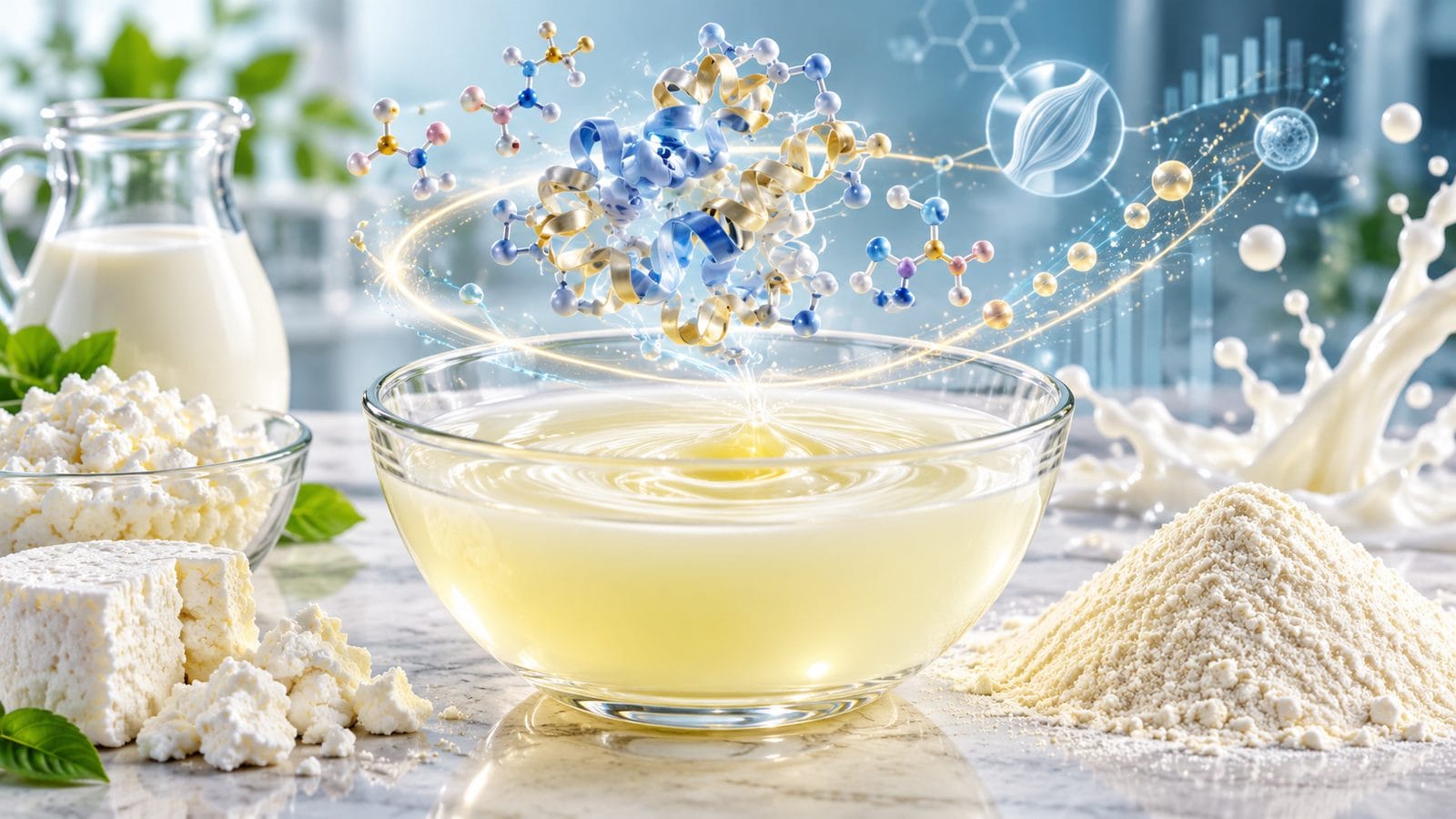
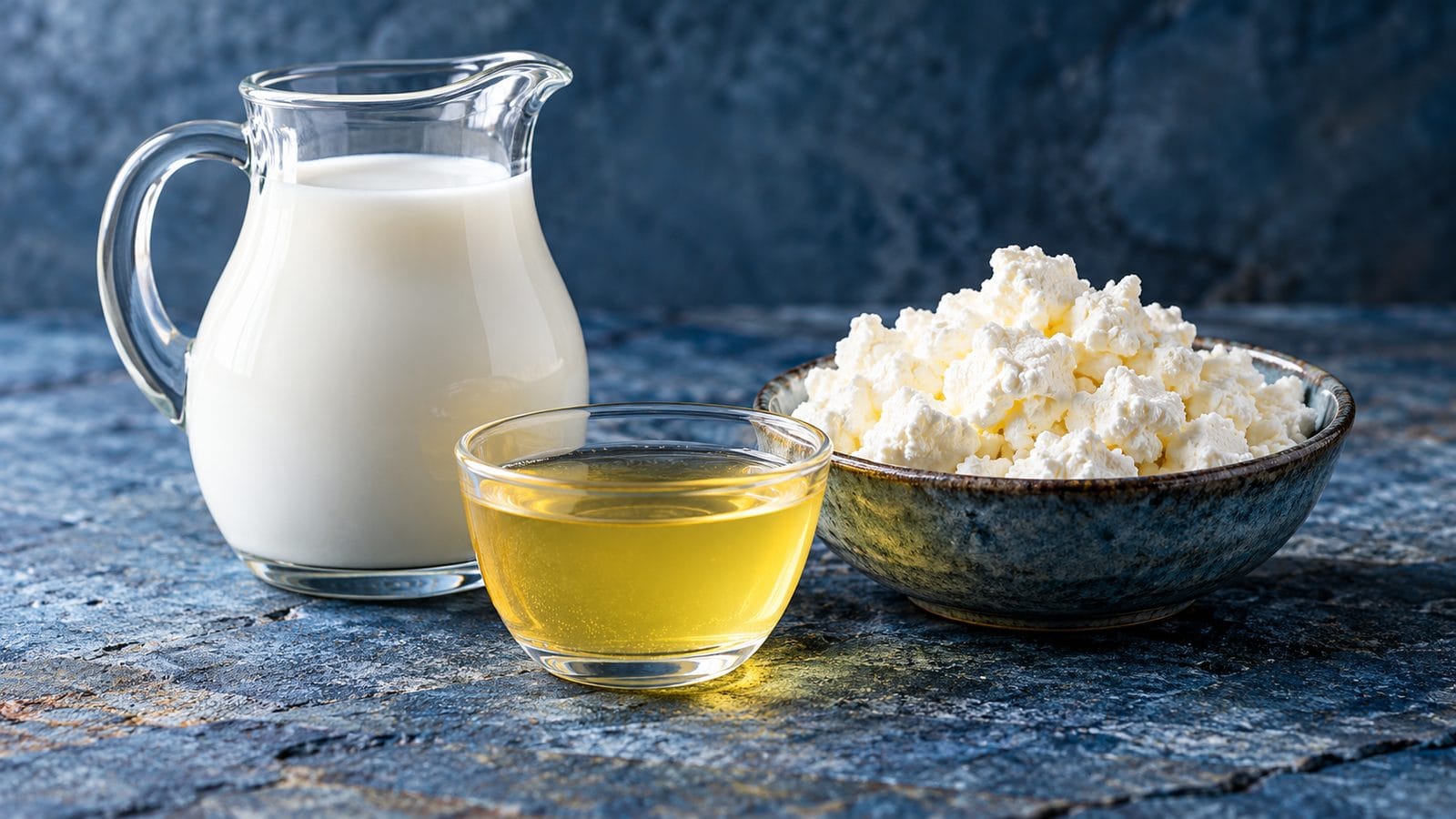
Whey is one of the two principal proteins naturally present in cow’s milk; the other is casein. During cheese production, milk separates into solid curds and a watery liquid containing whey. Modern filtration and drying methods turn that liquid into a concentrated powder that can be mixed into water, milk, oatmeal, smoothies, or other foods.
Whey is considered a complete protein because it supplies all nine essential amino acids. These amino acids cannot be produced by the body in sufficient amounts and must come from food. Whey is particularly rich in branched-chain amino acids, including leucine, which helps activate the molecular processes involved in muscle protein synthesis.
That nutritional profile makes whey popular among athletes, but its usefulness is broader. It can help busy adults meet daily protein targets, support older people trying to preserve muscle, and provide a convenient option when a conventional meal is unavailable. Protein powders are supplements to a balanced diet, however, rather than replacements for varied foods such as dairy, eggs, fish, legumes, tofu, poultry, nuts, and seeds.
The amount of protein a person needs varies with body size, age, activity level, energy intake, and goals. The general adult reference intake is about 0.8 grams per kilogram of body weight per day, but people who train regularly often benefit from higher intakes. Many active adults use a range near 1.2 to 2.0 grams per kilogram per day, depending on training demands and professional guidance.
Whey Concentrate, Isolate, and Hydrolysate Explained
Whey concentrate is the most common and often the most economical form. Depending on processing, it generally contains about 70% to 80% protein by weight, with the remainder coming from small quantities of carbohydrate, lactose, fat, and minerals. It usually has a creamy texture and full flavor, making it an appealing choice for shakes and recipes. Concentrate works well for people who tolerate dairy and want a practical balance of nutrition, taste, and price.
Whey isolate undergoes additional filtration to remove more fat and lactose. The finished ingredient is commonly at least 90% protein by weight before flavors and other ingredients are added. It tends to provide more protein per calorie than concentrate and may be easier for some people with mild lactose sensitivity to digest. It is not guaranteed to be lactose-free, however, and it remains unsuitable for anyone with a milk-protein allergy.
Hydrolyzed whey has been partially broken into smaller peptide chains through enzymatic processing. Manufacturers often market it as a rapidly absorbed form, and it may be useful in specialized sports-nutrition or clinical settings. For most recreational athletes, though, evidence does not show that hydrolysate produces dramatically better long-term results than an adequate amount of concentrate or isolate. It also tends to cost more and can have a bitter taste.
Some products use a blend of concentrate, isolate, and hydrolysate. Blends can deliver the creaminess of concentrate while raising the overall protein percentage with isolate. The order of ingredients matters: ingredients are listed by weight, so a blend listing concentrate first may contain substantially more concentrate than isolate. Buyers who specifically want isolate should look for a product that identifies whey protein isolate as its primary protein source.
Evidence-Based Whey Protein Benefits
The most established whey protein benefits involve convenience, muscle protein synthesis, and support for recovery from resistance exercise. A serving containing 20 to 40 grams of high-quality protein can provide enough essential amino acids to stimulate muscle-building processes, although the ideal quantity depends on body size, age, meal composition, and training intensity.
Muscle growth still requires an appropriate training stimulus. Drinking whey without progressive resistance exercise is unlikely to produce substantial increases in strength or lean mass. When training and total nutrition are well designed, however, whey makes it easier to distribute protein across the day and consume an effective serving after exercise.
Whey can also function as one of several useful muscle recovery supplements. Resistance training creates temporary muscle damage and increases protein turnover. Dietary protein supplies amino acids for repair and adaptation. This does not mean a shake instantly eliminates soreness; sleep, sufficient calories, hydration, training management, and carbohydrate intake also influence recovery. Whey simply addresses one important part of the process.
Protein is generally more satiating than carbohydrate or fat, so whey may help control appetite when incorporated into a balanced eating pattern. It can support weight-management goals by helping preserve lean tissue during a calorie deficit. Results still depend on overall energy intake, and calories from shakes can become counterproductive if they are added without accounting for the rest of the diet.
Whey may be particularly practical for older adults, who can experience reduced sensitivity to the muscle-building effects of dietary protein. A protein-rich meal or shake combined with resistance training can contribute to maintenance of muscle and physical function. Anyone managing kidney disease, a metabolic condition, or a medically prescribed diet should discuss major protein changes with a qualified clinician.

Best Whey Protein Powder Brands by Priority
There is no universal winner because formulations, prices, flavors, and testing programs can change. The following established brands represent useful starting points. Buyers should verify the current label, allergen statement, serving size, and certification before purchasing.
Best all-around option: Optimum Nutrition Gold Standard 100% Whey
Optimum Nutrition is widely recognized for a blend built around whey isolate, with concentrate and hydrolyzed whey also used. Gold Standard is popular because it mixes easily, comes in numerous flavors, and is commonly available. It provides a sensible middle ground between premium isolates and low-cost concentrates. Its flavored versions include sweeteners and flavoring agents, so people seeking a very short ingredient list may prefer an unflavored alternative.
Best for a lean isolate formula: Dymatize ISO100
Dymatize ISO100 emphasizes hydrolyzed whey protein isolate and whey isolate. It delivers a high protein-to-calorie ratio, mixes smoothly, and is available in dessert-style flavors. It can suit athletes who want minimal fat and carbohydrate, but it usually commands a higher price than concentrate-based products. The sweet flavor profile may be enjoyable for some users and excessive for others.
Best for very low carbohydrate intake: Isopure Zero Carb
Isopure’s zero-carbohydrate line is designed for consumers who want whey isolate with little room devoted to carbohydrate or fat. It is a straightforward option for tightly controlled macronutrient plans. That specialization is unnecessary for many people, since a few grams of carbohydrate will not compromise ordinary fitness goals, but it can be useful when dietary tracking needs to be precise.
Best for ingredient transparency: Transparent Labs Whey Protein Isolate
Transparent Labs focuses on a whey isolate formula with clearly stated quantities and comparatively restrained ingredient lists. It appeals to consumers who prioritize disclosure and want to avoid proprietary blends. As with other premium isolates, the main tradeoff is cost. Flavor preference is personal, so beginning with a smaller quantity is wiser than purchasing a large supply based solely on reviews.
Best for tested-sport positioning: Momentous Essential Grass-Fed Whey
Momentous targets serious athletes with a whey isolate product and sport-certification emphasis. Independent certification can reduce, but not entirely eliminate, the risk of contamination with substances prohibited in competition. Competitive athletes should confirm that the exact product and batch are covered by the relevant certification program rather than assuming every item sold by a brand has identical status.
Best simple-value option: NOW Sports Whey Protein
NOW Sports offers both isolate and concentrate-oriented choices, including relatively simple unflavored powders. These can be cost-effective for buyers who do not need elaborate flavors and are comfortable adding fruit, cocoa, coffee, or spices themselves. Unflavored whey tastes distinctly milky and may not appeal to everyone, but it gives the user more control over sweetness and ingredients.
Other credible brands may perform equally well. Brand reputation matters less than the exact formulation, accurate labeling, manufacturing controls, and suitability for the individual. Products should be compared by cost per 25 grams of actual protein rather than cost per scoop, because scoop sizes and protein concentrations differ.
How to Choose the Best Whey Protein Powder
Start with the protein source. Choose concentrate if value and creamy taste are the main priorities and lactose is not a concern. Choose isolate when maximizing protein per calorie or minimizing lactose, fat, and carbohydrate matters. Hydrolysate may be worth considering when digestibility is a persistent issue, but its higher price should be justified by a noticeable personal benefit.
Next, examine the Supplement Facts panel. A practical serving generally supplies 20 to 30 grams of protein without an unexpectedly large amount of added sugar. Compare the serving weight with the protein content. If a 32-gram scoop contains 25 grams of protein, the remaining weight consists of flavorings, carbohydrate, fat, minerals, thickeners, sweeteners, or other ingredients.
Look for quality signals rather than dramatic marketing language. Programs such as NSF Certified for Sport, Informed Sport, or comparable independent testing can be particularly valuable for tested athletes. Third-party certification does not prove that a powder will build more muscle; it provides added assurance about manufacturing, label accuracy, or screening within the certification’s defined scope.
Digestive tolerance deserves equal weight. Lactose, sugar alcohols, gums, inulin, and intense sweeteners can cause bloating or discomfort in susceptible people. If a product causes symptoms, try a smaller portion, a whey isolate, or a simpler unflavored formula. Persistent or severe reactions require medical advice, especially when symptoms suggest a milk allergy rather than lactose intolerance.
Taste and texture determine whether a product becomes a lasting habit. Chocolate and vanilla are generally versatile, while highly specific dessert flavors can become tiring. Read reviews for repeated observations about sweetness, aftertaste, grittiness, and foaming, but remember that flavor perception varies. Buying the smallest available size first reduces waste.
How and When to Use Whey for Muscle Building and Recovery
Total daily protein matters more than racing to drink a shake within minutes of finishing a workout. The post-exercise period is better understood as a broad opportunity than a tiny “anabolic window.” Consuming a protein-rich meal or shake within a few hours of training is a practical approach, especially if the previous meal was several hours earlier.
Distributing protein across three to five eating occasions may support muscle protein synthesis more effectively than consuming most of the day’s protein at dinner. Many adults can aim for approximately 25 to 40 grams of high-quality protein per meal, adjusted for body size and individual needs. Whey can fill a gap when a meal falls short rather than automatically being added on top of an already adequate diet.
For a basic recovery shake, combine one serving with water or milk according to calorie and protein needs. Adding fruit and oats provides carbohydrate that can help replenish glycogen after long or demanding sessions. Nut butter increases energy density, which may be useful during a mass-gain phase but less helpful when the aim is a calorie deficit.
Whey also works in oatmeal, yogurt, pancakes, and blended frozen-fruit desserts. Mixing it into very hot liquid can create clumps, so blending the powder with a small amount of cool liquid first often produces a smoother result. Whey is safe to cook with; heat changes protein structure but does not erase its amino-acid content.
A powder should complement, not crowd out, whole foods. Conventional meals supply fiber, healthy fats, vitamins, minerals, and varied textures that a protein shake may lack. One serving a day is convenient for many people, while others may need none. More servings are not automatically better if total protein intake is already sufficient.
Safety, Side Effects, and Marketing Claims
Whey protein is generally well tolerated by healthy adults when used in ordinary amounts. Common problems include gas, bloating, nausea, or loose stools, often related to lactose, large serving sizes, added fibers, or sweeteners. Reducing the portion or changing formulations may help.
A milk allergy is different from lactose intolerance. Isolate may contain very little lactose, but it still contains milk proteins and can trigger an allergic reaction. People with a diagnosed milk allergy should avoid whey and select an appropriate non-dairy protein under professional guidance.
Healthy people do not ordinarily need to fear that a standard high-protein diet will automatically damage normal kidneys. The situation is different for people with kidney disease, impaired renal function, or certain other medical conditions. They should obtain individualized advice before using protein powders or substantially changing protein intake. Pregnant or breastfeeding consumers and anyone taking medications should also discuss uncertain ingredients with a clinician.
Be skeptical of claims such as “instant muscle gain,” “detoxifying,” or “clinically proven absorption.” Faster digestion does not necessarily translate into visibly better results, and the presence of a patented ingredient does not prove that the full product has been tested in meaningful trials. A good whey powder should not need extravagant promises: adequate protein, dependable quality, tolerable ingredients, and enjoyable flavor are the features that matter.
Related Articles
- Lion’s Mane Supplement: Cognitive Benefits and Usage
- Liquid Chlorophyll Supplements: Detox, Energy, and Health Benefits
- Prostate Health Supplements: Best Options and Benefits
- Magnesium Supplement Innovations: Sprays, Breakthroughs, and Usage
Frequently Asked Questions
Which type of whey protein is best for beginners?
Whey concentrate is a sensible starting point for most beginners because it is affordable, flavorful, and nutritionally effective. A beginner with lactose sensitivity or a preference for lower carbohydrate and fat may choose isolate instead. Training consistency and total daily protein will influence results more than small differences between reputable whey types.
Is whey isolate better than whey concentrate?
Isolate is more filtered, contains a higher proportion of protein, and usually has less lactose, fat, and carbohydrate. That makes it better for certain dietary or digestive needs, but not universally better for muscle growth. When equal amounts of protein are consumed, both forms can effectively support resistance-training adaptations.
How much whey protein should I take after a workout?
For many adults, 20 to 40 grams of whey after training is a practical range. Smaller people may need less, while larger adults and older individuals may benefit from the upper end. The amount should be considered within total daily intake rather than treated as a separate requirement.
Can I take whey protein every day?
Most healthy adults can use whey daily if it fits their calorie, protein, and digestive needs. Daily use is optional, not essential. Whole foods should still provide most of the diet’s nutritional variety, and people with milk allergy, kidney disease, or medically restricted diets should seek appropriate professional advice.
The Bottom Line
The best whey protein powder depends on what the buyer values most. Concentrate offers strong value and enjoyable texture, isolate provides more protein with less lactose and fewer accompanying calories, and hydrolysate offers additional processing at a premium price. Optimum Nutrition is a balanced mainstream choice; Dymatize and Isopure suit isolate-focused buyers; Transparent Labs emphasizes label clarity; Momentous appeals to certification-conscious athletes; and NOW Sports offers simple, practical alternatives.
No powder can replace progressive training, sufficient sleep, adequate energy intake, or a varied diet. Used intelligently, however, whey is one of the most convenient protein powders available and one of the better-supported muscle recovery supplements. Select a product with an appropriate protein dose, tolerable ingredients, credible quality controls, and a flavor you will genuinely use. Consistency—not the most dramatic label—is what turns a good purchase into a useful nutrition tool.