GABA Supplement: Benefits, Uses, and Safety
GABA supplements are promoted for calm and better sleep, but does oral GABA really work? Here is what the evidence says about benefits, dosing and safety.

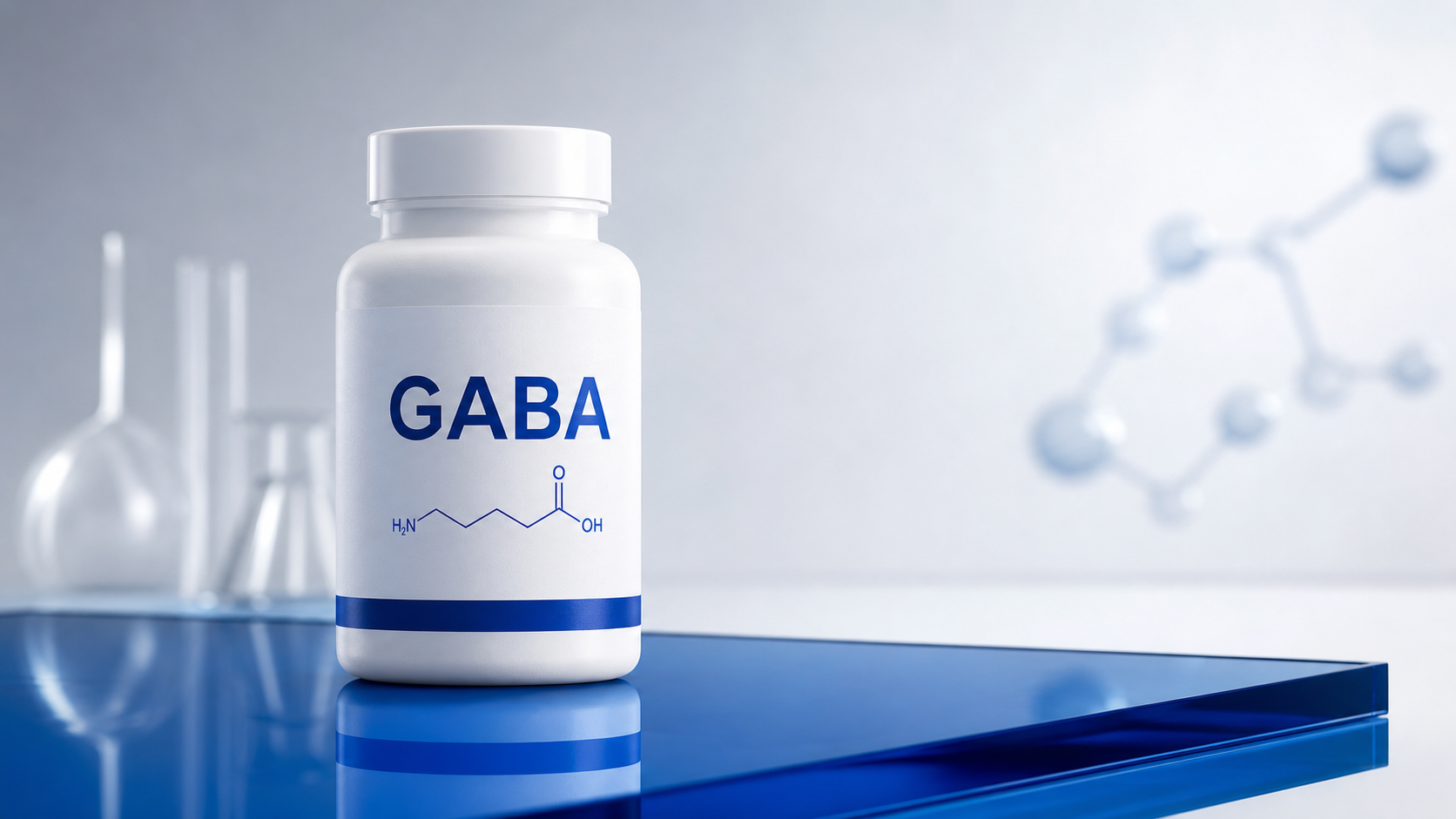
A GABA supplement may promote relaxation and modestly improve some aspects of sleep, but current research does not show conclusively that oral GABA reliably treats anxiety or insomnia. Small human studies have produced encouraging results, yet the overall evidence remains limited and inconsistent. Most healthy adults appear to tolerate supplemental GABA reasonably well for short periods, although it can lower blood pressure and may interact with medications. It should not replace evidence-based treatment for an anxiety disorder, persistent insomnia, or another medical condition.
What Is GABA, and What Does It Do? | Does GABA Work for Anxiety and Stress? | Can GABA Help You Sleep? | Possible Benefits Beyond Anxiety and Sleep | Dosage, Timing, and Choosing a Product | Safety, Side Effects, and Interactions | How to Decide Whether GABA Is Worth Trying | Frequently Asked Questions
What Is GABA, and What Does It Do?
Gamma-aminobutyric acid, usually shortened to GABA, is a chemical messenger made naturally in the body. It is the principal inhibitory neurotransmitter in the adult brain. In simple terms, inhibitory signals help prevent nerve cells from becoming excessively active. This function contributes to the regulation of stress responses, sleep, muscle tone, and many other processes.
GABA works by binding to specialized receptors. Activation of GABA-A receptors generally produces a rapid inhibitory effect, while GABA-B receptors act through slower signaling pathways. Several prescription medicines affect GABA signaling, including certain drugs used for anxiety, seizures, and insomnia. However, a dietary GABA supplement is not equivalent to these medications. The products differ greatly in how they are absorbed, reach their targets, and affect receptors.
Supplemental GABA is commonly produced by microbial fermentation and sold as capsules, tablets, powders, gummies, or ingredients in relaxation beverages. GABA also occurs naturally in small amounts in foods, particularly fermented foods and certain varieties of tea, tomatoes, potatoes, soybeans, and germinated grains. A product described as “natural” or “fermented” is not automatically more effective or safer than another properly manufactured product.
The central scientific question is whether swallowed GABA reaches the brain in meaningful quantities. The blood-brain barrier tightly controls which substances can pass from the circulation into brain tissue. Traditional research suggests that GABA crosses this barrier poorly, although the issue is not completely settled. Proposed alternative explanations include limited passage through specialized regions, effects on peripheral nerves, and signaling through the gut-brain axis. These possibilities are biologically interesting, but they have not yet established a clear clinical mechanism for GABA supplements.
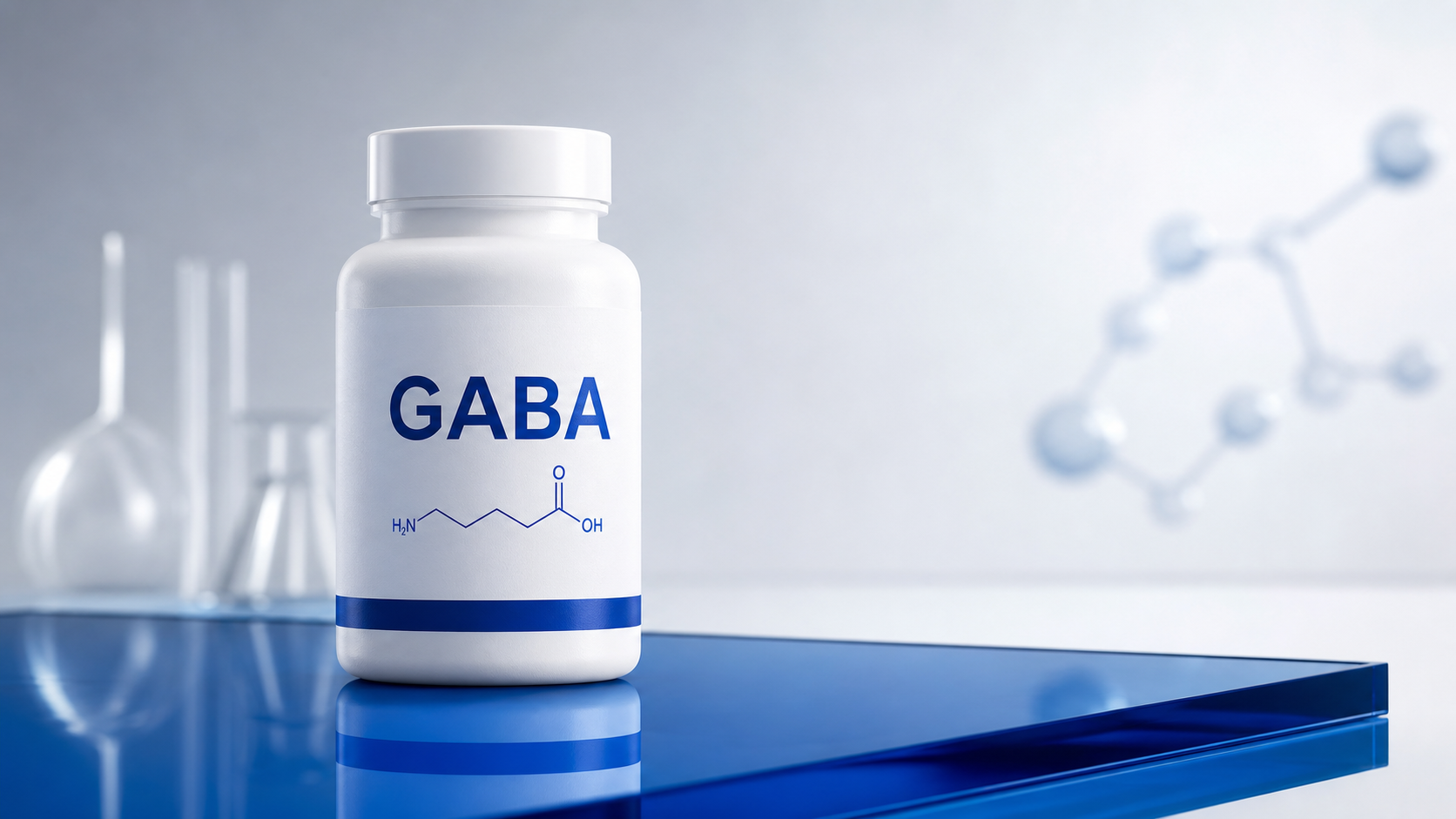
Does GABA Work for Anxiety and Stress?
People often search for GABA for anxiety because the brain’s own GABA system is deeply involved in controlling fear, arousal, and stress. That biological connection makes the supplement sound intuitively useful. It does not, however, prove that swallowing GABA produces the same effects as increasing GABA activity within the brain.
A systematic review of placebo-controlled human research found limited evidence that oral GABA may reduce stress. Some small studies reported changes in self-rated relaxation, heart-rate variability, brain-wave patterns, or stress-related biological measures after participants consumed GABA. Other experiments found little benefit, and the studies used widely different doses, products, testing situations, and outcomes. These differences make it difficult to identify a dependable effect.
The distinction between everyday stress and an anxiety disorder is also important. Many studies tested temporary responses to a stressful task in otherwise healthy volunteers. That is not the same as treating generalized anxiety disorder, panic disorder, social anxiety disorder, or post-traumatic stress disorder. There is insufficient high-quality evidence to recommend an over-the-counter GABA supplement as a treatment for any of these conditions.
Someone who feels mildly tense might notice a calming effect, but individual experience cannot reveal whether the change came from GABA, expectation, a soothing bedtime routine, or natural fluctuation in symptoms. A personal response can still matter to the individual, provided the product is used safely, but it should not be interpreted as proof that the supplement corrects a GABA deficiency.
Persistent anxiety deserves a broader assessment because it may be connected to chronic stress, depression, medication effects, thyroid disease, stimulant use, sleep deprivation, or another health issue. Cognitive behavioral therapy and other structured psychotherapies have substantially stronger evidence. Depending on the diagnosis and severity, a clinician may also recommend medication, lifestyle changes, or a combination of approaches.

Can GABA Help You Sleep?
Interest in GABA for sleep rests on another plausible biological idea: inhibitory signaling helps the nervous system shift away from wakeful arousal. A supplement that supports this process might make it easier to settle down at night. In practice, the evidence suggests a possible small benefit for certain sleep measures, but it is far from definitive.
A 2020 systematic review concluded that evidence for sleep benefits was very limited. Some trials suggested that GABA shortened sleep latency—the time required to fall asleep—or increased portions of non-REM sleep. Improvements were not consistent across measures such as total sleep time, sleep efficiency, nighttime awakenings, and REM sleep. Many studies were small, brief, or funded by companies connected to the tested products.
Later research has continued to explore GABA-containing foods and supplements, sometimes reporting favorable results. Nevertheless, isolated positive trials do not resolve the major uncertainties. Studies have used different doses and formulations, enrolled different populations, and measured sleep with everything from questionnaires to laboratory equipment. Larger independent trials are needed to determine who might benefit, what dose is appropriate, and whether improvements continue over time.
A GABA supplement is therefore best viewed as an unproven sleep aid rather than a treatment for chronic insomnia. If someone chooses to try it, keeping a simple sleep diary can provide a more objective picture. Useful entries include the time the supplement was taken, estimated time to fall asleep, number of awakenings, morning alertness, and any adverse effects. Changing several supplements or habits simultaneously makes it almost impossible to identify what helped.
Sleep problems that persist for at least several weeks should not simply be masked with supplements. Loud snoring, gasping during sleep, uncomfortable urges to move the legs, severe daytime sleepiness, or regularly waking with headaches may signal a sleep disorder that needs evaluation. Cognitive behavioral therapy for insomnia, often called CBT-I, is a first-line treatment for chronic insomnia and has much stronger evidence than GABA supplementation.

Possible Benefits Beyond Anxiety and Sleep
GABA products are marketed for an extensive list of goals, including exercise recovery, mental focus, mood support, blood-pressure control, and growth-hormone release. The strength of evidence varies, and most of these claims remain preliminary. A mechanism observed in laboratory research does not necessarily translate into a meaningful health benefit when a supplement is taken orally.
Some human studies have found a modest, temporary reduction in blood pressure after GABA consumption. Fermented foods and beverages containing GABA have also been investigated in people with mildly elevated blood pressure. This should not be treated as a reason to replace prescribed blood-pressure medication. It is more relevant as a safety consideration because combining multiple blood-pressure-lowering agents could cause dizziness or hypotension.
Small studies have examined hormonal responses after relatively large GABA doses, particularly changes in growth hormone around exercise. Even if a short-term laboratory increase occurs, it does not establish improvements in muscle growth, athletic performance, fat loss, or recovery. Products marketed to athletes may also contain several active ingredients, making both benefits and adverse effects harder to attribute to GABA.
Claims related to mood, cognition, pain, or neurological disease are similarly unsupported by adequate clinical evidence. GABA supplements should not be used to treat depression, epilepsy, chronic pain, or cognitive decline without medical guidance. Importantly, GABA is not the same substance as gabapentin, pregabalin, baclofen, benzodiazepines, or gamma-hydroxybutyrate. Similar-sounding names do not imply interchangeable effects or safety profiles.
Dosage, Timing, and Choosing a Product
There is no universally established therapeutic dose of GABA for anxiety or sleep. Human studies have tested a broad range, from relatively small quantities in GABA-enriched foods to supplemental doses measured in hundreds or thousands of milligrams. Because study designs and products differ, these amounts cannot be converted into a single evidence-based recommendation.
Commercial directions often suggest taking GABA shortly before bedtime or at another time when relaxation is desired. Consumers should follow the product label and avoid exceeding it. A cautious approach is to begin with the lowest labeled serving, use only one new product at a time, and assess tolerance before considering any increase. More is not necessarily better, particularly when the desired benefit remains uncertain.
Avoid taking a first dose before driving, operating equipment, or completing work that requires full alertness. Although pronounced sedation is not a consistently reported effect, relaxation products can affect people differently. Combination formulas may include melatonin, valerian, magnesium, L-theanine, antihistamine-like ingredients, or other substances that alter alertness.
Supplement quality matters because dietary supplements are not evaluated like prescription medicines before reaching the market. Look for a clearly labeled quantity per serving, a complete ingredient list, a lot number, an expiration date, and contact information for the manufacturer. Independent certification from a recognized testing organization can provide additional assurance that the contents and contaminants were assessed, although certification does not prove that the product works.
Be wary of labels promising to cure anxiety, eliminate insomnia, or deliver drug-like effects. Proprietary blends that conceal individual ingredient amounts also make safe comparison difficult. Products presented as unusually potent GABA derivatives deserve particular caution because they may not share the safety profile of ordinary gamma-aminobutyric acid.
Safety, Side Effects, and Interactions
Short-term clinical studies have not identified a pattern of serious adverse effects from ordinary oral GABA in healthy adults. A comprehensive United States Pharmacopeia safety review found no serious adverse events in the available clinical research, including studies using high amounts for very short periods and lower amounts for several weeks. That finding is reassuring but does not establish safety for every dose, population, or duration.
Reported or plausible side effects include sleepiness, headache, nausea, digestive discomfort, and a tingling or flushing sensation. Some people may feel lightheaded, especially if their blood pressure falls. Stop using the product and seek urgent care for difficulty breathing, facial swelling, fainting, confusion, or other signs of a severe reaction.
The most notable potential interaction involves medications that lower blood pressure. Using GABA alongside antihypertensive drugs could theoretically increase the risk of hypotension. Caution is also sensible with alcohol, sedatives, sleep medicines, and other supplements that cause drowsiness, even though direct interaction data are limited. A pharmacist can review a complete medication and supplement list for overlapping effects.
Pregnant or breastfeeding people should avoid GABA supplements unless a qualified clinician specifically recommends them because adequate safety data are lacking. Evidence is also insufficient for children and adolescents. People with very low blood pressure, significant heart or kidney disease, seizure disorders, or planned surgery should consult a healthcare professional before use.
Anyone taking prescription treatment for anxiety, insomnia, depression, or epilepsy should not stop or reduce medication to try GABA. Abruptly discontinuing certain drugs can cause withdrawal, rebound symptoms, or seizures. A supplement may seem gentler because it is sold without a prescription, but “natural” does not mean interaction-free or appropriate for every medical situation.
How to Decide Whether GABA Is Worth Trying
For a generally healthy adult with occasional stress or difficulty settling at night, a carefully selected GABA supplement may be a reasonable short trial after checking for contraindications. Expectations should remain modest. The most accurate summary is that GABA might help some people relax or fall asleep slightly faster, but researchers do not yet know whether the effect is dependable or clinically important.
Define a specific goal before starting. “Feel better” is difficult to evaluate, whereas “reduce average time to fall asleep from 45 minutes to under 30 minutes” is measurable. Choose a fixed trial period, maintain other routines, and discontinue the supplement if there is no clear improvement. Continuing indefinitely without benefit only adds expense and possible exposure to adverse effects.
Foundational habits are more likely to deliver broad benefits. For sleep, these include a regular wake time, morning daylight, a dark and quiet bedroom, limited late caffeine, and time to unwind without work or bright screens. For anxiety, regular movement, adequate sleep, reduced stimulant intake, breathing exercises, and structured therapy may help. These strategies are not instant cures, but they address powerful contributors to nervous-system arousal.
Seek professional help when anxiety interferes with work, relationships, eating, or sleep; when insomnia becomes persistent; or when symptoms include panic attacks, severe depression, substance misuse, or thoughts of self-harm. Supplements occupy a small place in health care and should never delay timely diagnosis or effective treatment.
Related Articles
- Best Protein Shakes for Weight Loss: A Science-Based Guide
- Alani Nu Pre-Workout: Benefits, Ingredients and Honest Review
- Best Whey Protein Powders: Types, Benefits, and Top Brands
- Lion’s Mane Supplement: Cognitive Benefits and Usage
Frequently Asked Questions
Does a GABA supplement cross the blood-brain barrier?
Probably not in large amounts, according to much of the existing research, but the question is not completely resolved. Some researchers propose that small amounts may cross or that oral GABA could influence the nervous system indirectly through peripheral nerves or the gut-brain axis. The uncertain mechanism is one reason supplement claims should be interpreted cautiously.
How quickly does GABA work for sleep?
Studies evaluating acute effects have generally administered GABA shortly before a stressful task or bedtime, and some commercial products recommend use about 30 to 60 minutes before sleep. There is no well-established onset time because products and individual responses vary. If it causes no measurable improvement after a defined trial, increasing the dose indefinitely is not advisable.
Can I take GABA every night?
Long-term nightly safety has not been studied well enough to give a universal answer. Short studies are fairly reassuring, but they cannot rule out problems associated with months or years of use. Discuss regular use with a clinician, particularly if you take medication, have a chronic condition, or find that you cannot sleep without a supplement.
Is GABA better than melatonin for sleep?
They serve different proposed roles and have not been compared adequately in strong head-to-head trials. Melatonin helps signal biological night and has clearer uses for circadian-timing problems such as jet lag, while GABA is marketed primarily for relaxation. Neither product is a universal solution for insomnia, and CBT-I has stronger evidence for persistent insomnia than either supplement.