Alani Nu Pre-Workout: Benefits, Ingredients and Honest Review
An honest look at Alani Nu pre-workout: its caffeine and key ingredients, real benefits, how it feels, and who it is best suited for before you buy.

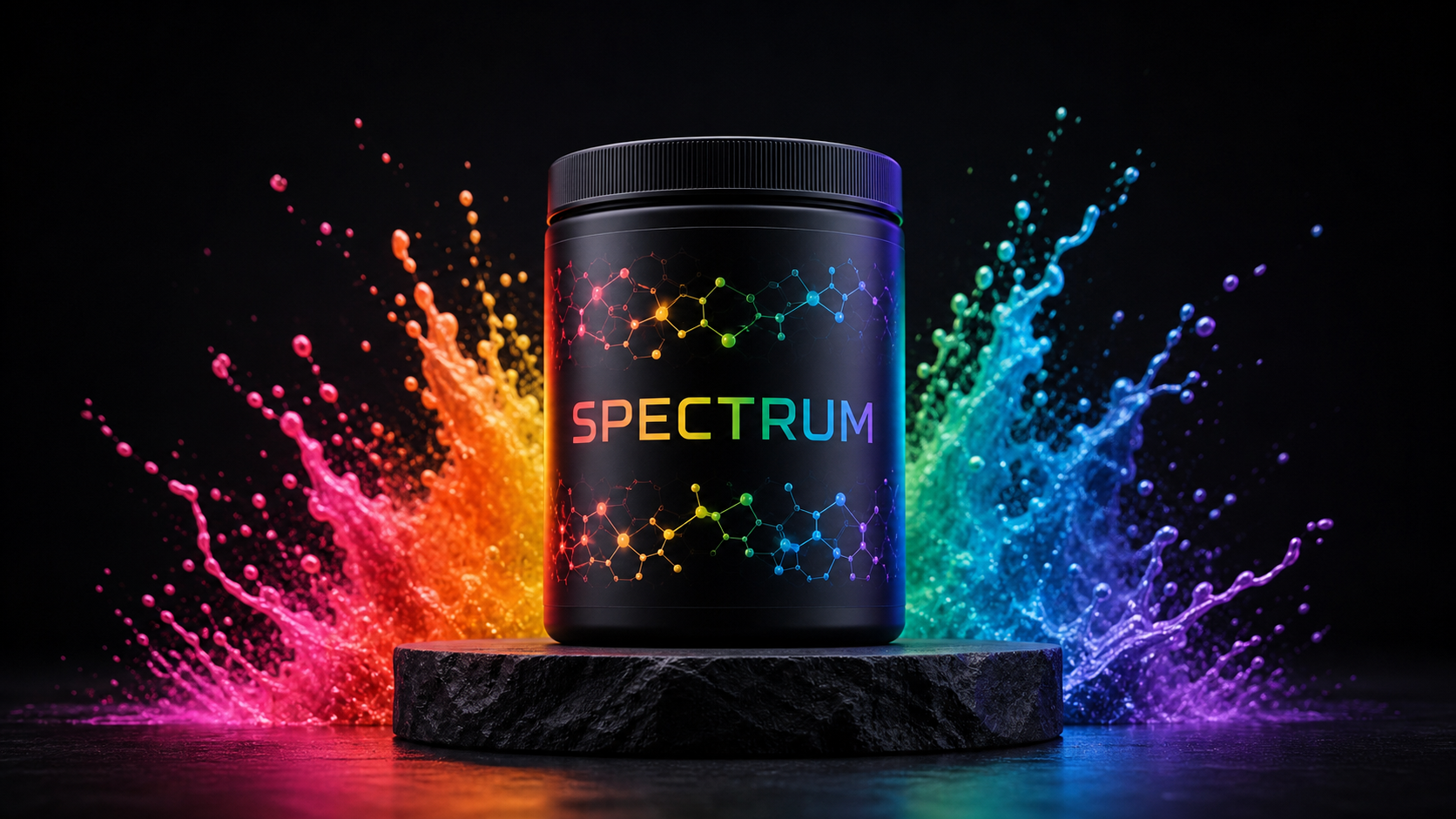
Alani Nu pre-workout is a caffeinated exercise supplement designed to increase energy, sharpen focus and make demanding workouts feel more manageable. Its formula combines caffeine with ingredients such as citrulline malate, beta-alanine, L-tyrosine and L-theanine. The result is a flavorful, relatively straightforward pre-workout that may suit healthy adults seeking a noticeable energy boost, although its stimulant content, tingling sensation and ingredient dosages will not be ideal for everyone.
What Is Alani Nu Pre-Workout? | Key Ingredients and What the Science Suggests | Potential Benefits of Alani Nu Pre-Workout | How Alani Nu Energy Compares With the Pre-Workout | How to Use It Safely and Effectively | Possible Side Effects and Important Limitations | Who Is It Best For? | Overall Review and Verdict | Frequently Asked Questions
What Is Alani Nu Pre-Workout?
Alani Nu is a sports-nutrition and lifestyle brand best known for brightly packaged supplements and sweet, fruit-inspired flavors. Its product range includes protein powders, wellness supplements, canned Alani Nu energy drinks and pre-workout powder. Although these products share a focus on energy and convenience, the powdered pre-workout is specifically intended for use shortly before exercise.
A typical serving is mixed with water and consumed approximately 20 to 30 minutes before training. The formula aims to address several parts of the workout experience at once: alertness, motivation, mental concentration, blood flow and muscular endurance. It is not a source of meaningful calories or complete workout nutrition, and it cannot replace adequate food, hydration, sleep or a well-designed training program.
The exact formula, flavor selection and labeling can change over time or differ among markets. Buyers should therefore treat the Supplement Facts panel on their own container as the definitive source of information. This is particularly important when checking caffeine content, serving size, allergens and warnings.
Key Ingredients and What the Science Suggests
Alani Nu pre-workout has commonly provided 200 milligrams of caffeine per full serving. Caffeine is the ingredient most likely to create an immediately noticeable effect. It blocks adenosine receptors in the brain, reducing the perception of fatigue and increasing wakefulness. Research consistently indicates that caffeine can improve aspects of endurance, attention, reaction time and high-intensity exercise performance, although responses vary substantially between individuals.
Citrulline malate is included to support nitric-oxide production and circulation. Citrulline is converted into arginine in the body, which can help generate nitric oxide and promote widening of blood vessels. This mechanism may support blood flow and the temporary muscular “pump” associated with resistance training. Alani Nu formulas have commonly listed 6 grams of citrulline malate, a meaningful quantity, though research results depend on the citrulline-to-malate ratio and the actual amount of pure L-citrulline supplied.
Beta-alanine helps the body produce carnosine, a compound that buffers acidity inside working muscle. Consistent supplementation may improve performance during intense efforts lasting roughly one to several minutes. The formula has commonly contained 1.6 grams per serving. That amount may contribute to a useful daily intake, but it is below the larger daily quantities frequently used in research. Beta-alanine works through repeated use rather than delivering its full benefit from a single dose.
L-tyrosine is an amino acid involved in producing dopamine and norepinephrine. It is often included in pre-workouts to support concentration during mentally or physically stressful conditions. Evidence for a direct boost in strength or muscle growth is limited, but tyrosine may help preserve cognitive performance when fatigue, stress or sleep loss is present.
L-theanine, an amino acid naturally associated with tea, is commonly paired with caffeine. It may soften some of caffeine’s edgier subjective effects while supporting attention. The combination can feel smoother than caffeine alone for some users, but it does not cancel caffeine’s influence on heart rate, sleep or anxiety.
Potential Benefits of Alani Nu Pre-Workout
The clearest benefit is increased energy. A 200-milligram caffeine dose is approximately comparable to the caffeine in two modest cups of brewed coffee, although coffee varies widely. For someone with low or moderate caffeine tolerance, this can create a pronounced improvement in alertness and willingness to train. It may be particularly useful before early-morning sessions or workouts scheduled after a tiring workday.
Improved focus is another plausible advantage. Caffeine can increase vigilance, while tyrosine and theanine are intended to support a more composed mental state. In practical terms, users may find it easier to stay engaged with technique, rest periods and planned repetitions. This does not guarantee better judgment, however; feeling highly energized can sometimes encourage people to lift too heavily or ignore signs of fatigue.
The citrulline malate may enhance perceived blood flow and muscular fullness during resistance training. A stronger pump does not automatically mean greater muscle growth, but it can make a session feel productive and may help some athletes maintain enthusiasm. Citrulline could also support repeated-effort performance, although the size of the effect is generally less dramatic than the immediate stimulation produced by caffeine.
Beta-alanine may offer a modest endurance benefit when taken regularly enough to raise muscular carnosine levels. It is more relevant to repeated sprints, circuits and demanding sets than to a single maximal lift. Users should recognize that the familiar prickling or tingling caused by beta-alanine is a harmless sensory effect for most healthy adults, not proof that the ingredient is improving performance at that moment.
Flavor and mixability can also influence real-world usefulness. A supplement that tastes appealing and dissolves easily is more likely to be used consistently. Alani Nu is known for intensely sweet, candy-like flavor profiles, which many users enjoy. Those who prefer subtle or lightly flavored drinks may find the experience less appealing.

How Alani Nu Energy Compares With the Pre-Workout
Alani Nu energy drinks and Alani Nu pre-workout powder may seem interchangeable because both deliver caffeine, but they are designed for somewhat different situations. The canned beverage prioritizes ready-to-drink convenience and general alertness. The powder is built more directly around exercise, adding performance-oriented compounds such as citrulline malate and beta-alanine.
The pre-workout also lets users control water volume and, with careful measurement, reduce the serving size. A can is less flexible once opened. On the other hand, canned Alani Nu energy is more portable and requires no shaker. Someone who wants a midday productivity boost may prefer the can, while a person preparing for resistance training or interval exercise may find the powder’s broader formula more relevant.
Neither product should be stacked casually with coffee, energy shots, stimulant-containing fat burners or another pre-workout. Total caffeine matters more than the number of different products consumed. Combining several sources can lead to restlessness, nausea, headache, rapid heartbeat and severe sleep disruption.
How to Use It Safely and Effectively
First-time users should consider beginning with half a serving mixed in plenty of water. This provides an opportunity to assess caffeine sensitivity, sweetness and beta-alanine tingling without immediately taking the full amount. The powder should be measured with the supplied scoop according to the current label rather than estimated by eye.
Timing depends on the individual, but consuming the drink roughly 20 to 30 minutes before training is a reasonable starting point. Taking it with a large meal may delay the perceived effects, while using it on an empty stomach can make caffeine feel more intense and may cause nausea. A small pre-workout meal containing carbohydrate and some protein often provides more complete exercise support than the supplement alone.
Because caffeine can remain active for many hours, evening use deserves caution. Even people who can fall asleep after caffeine may experience lighter or less restorative sleep. Repeatedly sacrificing sleep for a temporary training boost is likely to undermine recovery, appetite regulation and long-term performance. A stimulant-free session is usually the wiser choice when bedtime is approaching.
Hydration is also important, especially in hot environments. The drink contributes fluid, but one serving is not necessarily enough for a long or sweaty session. Users should arrive hydrated and continue drinking according to thirst, environmental conditions and exercise duration.
Children, pregnant or breastfeeding individuals, people with cardiovascular conditions and those who are highly sensitive to stimulants should avoid or seek professional guidance before using caffeinated pre-workouts. Anyone taking medication—particularly stimulants, decongestants or drugs affecting blood pressure—should consult a physician or pharmacist. Stop using the product and obtain medical help if serious symptoms such as chest pain, fainting or a persistent irregular heartbeat occur.
Possible Side Effects and Important Limitations
The most common drawbacks stem from caffeine. Potential effects include jitteriness, anxiety, stomach discomfort, headache, elevated heart rate and difficulty sleeping. People differ greatly in how quickly they metabolize caffeine, so a dose that feels moderate to one person may be overwhelming to another. Habitual use can also produce tolerance, meaning the energizing effect becomes less noticeable over time.
Beta-alanine can cause temporary tingling known as paresthesia. It often appears around the face, neck or extremities and generally fades without harm. Dividing the dose or using a smaller serving may reduce the sensation. Citrulline malate can occasionally cause digestive discomfort, particularly when taken in a concentrated drink or on an empty stomach.
Another limitation is that a blended pre-workout must balance convenience against optimal dosing for every ingredient. Alani Nu provides a compact all-in-one formula, but some users may want more beta-alanine, a clearly specified quantity of pure L-citrulline or no caffeine at all. Athletes who compete under drug-tested rules should also look for credible third-party certification because ordinary supplement labels do not eliminate contamination risk.
Finally, pre-workout cannot compensate for low energy caused by inadequate nutrition, chronic sleep loss or excessive training volume. If every workout feels impossible without a stimulant, the underlying program and recovery habits deserve attention.
Who Is It Best For?
Alani Nu pre-workout is best suited to healthy adults who already tolerate caffeine and want a convenient combination of stimulation, focus and workout-oriented ingredients. It may appeal especially to recreational lifters, group-fitness participants and interval-training enthusiasts who enjoy strong, sweet flavors.
It is less appropriate for caffeine-sensitive users, evening exercisers and anyone who already consumes substantial amounts of coffee or energy drinks. Endurance athletes requiring sustained carbohydrate and electrolyte replacement will need additional nutrition, while advanced strength athletes may prefer individually dosed ingredients or a formula with different quantities.
A half serving may be enough for smaller individuals or occasional users. More is not necessarily better: increasing the dose raises the likelihood of side effects and does not guarantee a proportionate improvement in performance. The best serving is the lowest amount that produces a useful effect without disturbing comfort or sleep.
Overall Review and Verdict
Alani Nu pre-workout is a solid mainstream option rather than a revolutionary performance product. Its greatest strength is a balanced experience: a substantial but not extreme caffeine dose, ingredients aimed at focus and blood flow, accessible flavors and simple preparation. For many recreational users, those qualities matter more than having the maximum research-backed dose of every compound.
The formula’s limitations are equally clear. Caffeine delivers most of the immediately perceptible benefit, beta-alanine may require a higher consistent daily intake to match common research protocols, and the precise value of citrulline malate depends on its composition. Sweetness, tingling and stimulant-related side effects may also reduce its appeal.
Overall, Alani Nu earns a favorable review for healthy, caffeine-tolerant adults who want an enjoyable boost before training. It should be viewed as an optional tool—not an essential part of fitness. Starting conservatively, checking the current label and protecting sleep are more important than chasing the strongest possible sensation.
Related Articles
- Best Protein Shakes for Weight Loss: A Science-Based Guide
- GABA Supplement: Benefits, Uses, and Safety
- Best Whey Protein Powders: Types, Benefits, and Top Brands
- Lion’s Mane Supplement: Cognitive Benefits and Usage
Frequently Asked Questions
How much caffeine is in Alani Nu pre-workout?
Alani Nu pre-workout has commonly contained 200 milligrams of caffeine per full serving, but formulas can change. Check the Supplement Facts panel on the specific container before use and include coffee, tea, soda, medication and energy drinks when calculating total daily caffeine.
Does Alani Nu pre-workout help with weight loss?
It is not a weight-loss product. Caffeine may temporarily increase alertness and make exercise feel easier, which could indirectly support a fitness routine. Meaningful fat loss still depends primarily on sustained energy balance, nutrition, activity, sleep and behavior. The supplement does not independently burn enough calories to produce substantial weight loss.
Why does Alani Nu pre-workout make me tingle?
The tingling is usually caused by beta-alanine. This temporary effect, called paresthesia, is common and generally harmless in healthy users. It does not indicate an allergic reaction or prove that the supplement is working. Taking a smaller serving may make the sensation less intense.
Can I take Alani Nu pre-workout every day?
Some healthy adults can use it regularly, but daily caffeine may increase tolerance and dependence while affecting sleep. It is sensible to monitor total caffeine intake, use the lowest effective serving and include stimulant-free training days when practical. Anyone with a medical condition, medication interaction or concerning symptoms should seek individualized advice from a qualified healthcare professional.