Garcinia Cambogia: Weight Loss Supplement Benefits and Safety
Garcinia Cambogia offers potential weight loss benefits while emphasizing safety and effective use as a natural supplement for managing body weight.


Paid links: Some links in this article go to iHerb through an affiliate program: if you buy something after clicking one, StarterScience earns a commission and you pay the same price. That commission never changes how we describe the evidence, including when the evidence is weak. This article is general information, not medical advice — talk to a qualified healthcare professional before starting any supplement.
Garcinia cambogia is a tropical fruit extract promoted as an ingredient in weight loss supplements and fat burner supplements, but current evidence does not show a large or dependable effect on body weight. Its principal compound, hydroxycitric acid, may influence fat-production pathways and appetite-related signals; however, human studies have produced mixed results, and any average weight loss appears modest at best. Garcinia cambogia may also cause digestive symptoms, interact with medications, and has been associated with rare but potentially serious liver injury. It should therefore be viewed as an optional, uncertain supplement—not a substitute for nutrition, physical activity, sleep, medical care, or proven weight-management treatments.
What Is Garcinia Cambogia? | How Garcinia Cambogia Is Supposed to Support Weight Loss | Does Garcinia Cambogia Actually Work? | Potential Garcinia Cambogia Benefits Beyond Weight Loss | Side Effects, Liver Concerns, and Drug Interactions | How to Choose a Garcinia Cambogia Supplement | Safer and More Effective Approaches to Weight Management | The Bottom Line | Frequently Asked Questions
What Is Garcinia Cambogia?
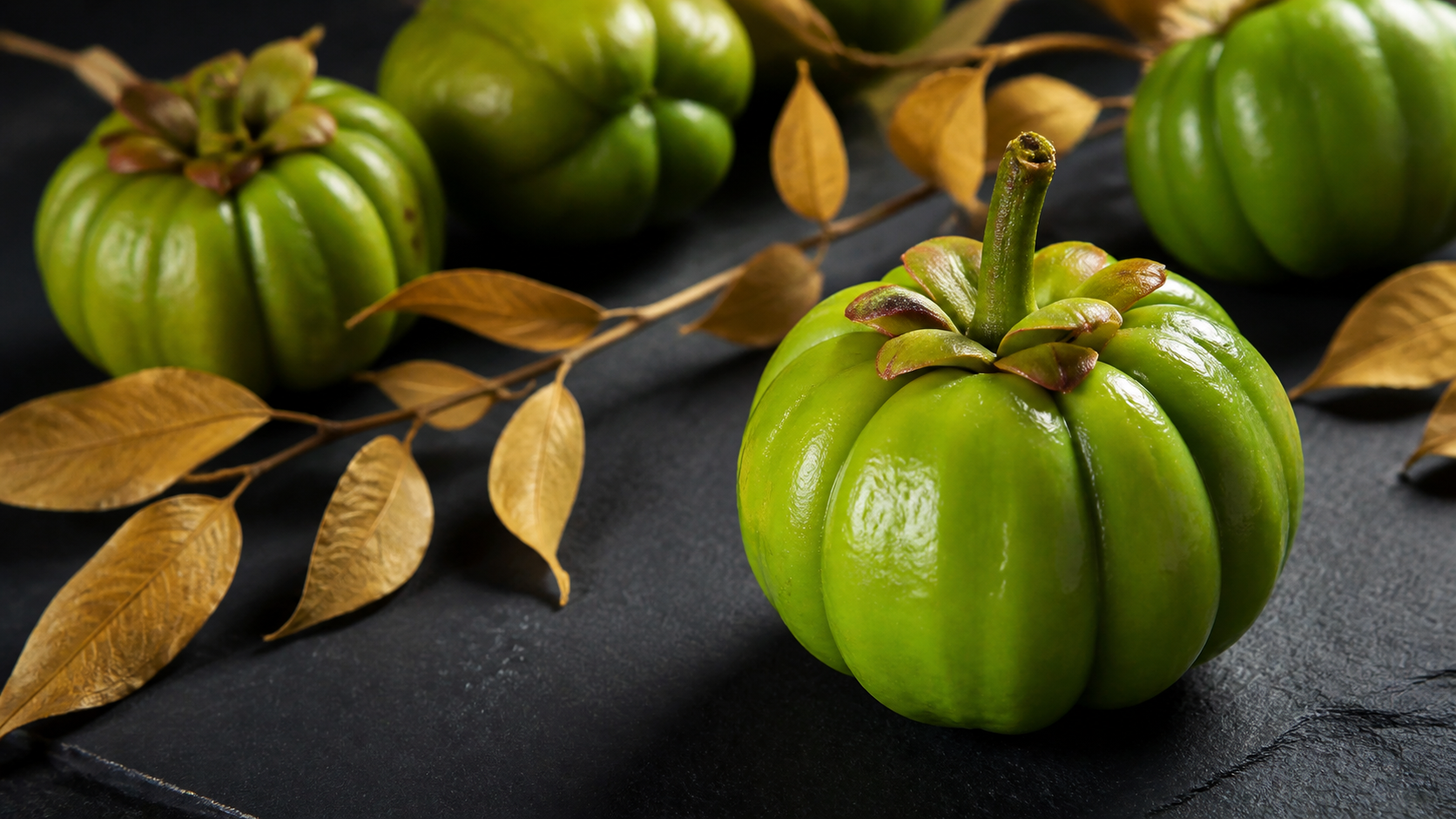
Garcinia cambogia is the former botanical name commonly used for Garcinia gummi-gutta, a small, pumpkin-shaped fruit native to parts of South and Southeast Asia. The fruit may be green, yellow, orange, or red when mature. Its sour rind has a history of culinary use, particularly as a flavoring and food-preservation ingredient. Traditional consumption of the fruit, however, is not equivalent to taking a concentrated supplement.
Commercial products are usually made from rind extract and standardized to contain hydroxycitric acid, abbreviated HCA. Labels may list a percentage of HCA—often 50% or more—along with a suggested dose. Products are sold as capsules, tablets, powders, liquids, drink mixes, and components of multi-ingredient formulas. The concentration, chemical form, dosage instructions, and additional ingredients can differ substantially between brands.
The supplement became popular because HCA was proposed to block an enzyme involved in creating fatty acids from excess carbohydrate. It has also been investigated for possible effects on appetite and serotonin signaling. These mechanisms are scientifically interesting, but a plausible laboratory mechanism does not guarantee meaningful weight loss in everyday life. Absorption, dose, diet, individual biology, product quality, and study duration all affect what happens in humans.
How Garcinia Cambogia Is Supposed to Support Weight Loss
HCA can inhibit ATP citrate lyase, an enzyme that helps convert citrate into acetyl-CoA, a building block used in fatty-acid and cholesterol synthesis. This is the basis for claims that garcinia cambogia can reduce the conversion of excess calories into stored fat. The pathway is real, but supplement advertising often exaggerates its practical importance. Human metabolism is adaptable, and body-fat change depends on total energy balance over time rather than on one isolated enzyme.
A second proposed mechanism is appetite control. Some experiments suggest that HCA could affect serotonin-related signaling or increase feelings of fullness. If a supplement reliably reduced hunger, it might indirectly help someone consume fewer calories. Yet trials have not consistently demonstrated a clinically important reduction in appetite, food intake, or waist measurement. Expectations should remain especially cautious when marketing promises effortless appetite suppression.
Terms such as “fat blocker,” “metabolism booster,” and “thermogenic” are frequently used around fat burner supplements, but they do not have a single standardized medical meaning. Garcinia cambogia is not a stimulant like caffeine, and evidence does not establish that it substantially raises metabolic rate. It also does not physically dissolve existing fat or prevent all dietary fat from being absorbed.
The distinction between a biological effect and a useful health outcome matters. A compound may alter an enzyme in a test tube while producing little measurable change in weight, health, or quality of life. Consumers should judge garcinia cambogia benefits by well-designed clinical outcomes—not by diagrams of metabolic pathways, testimonials, before-and-after images, or claims based exclusively on animal studies.
Does Garcinia Cambogia Actually Work?
Randomized controlled trials of garcinia cambogia have reached inconsistent conclusions. Some report slightly greater weight loss than placebo, while others find no meaningful difference. Reviews combining multiple trials have sometimes identified a small average advantage, but the effect tends to be limited and uncertain. Differences in HCA dose, formulation, participant characteristics, diet programs, study quality, and duration make the results difficult to compare.
Even when a statistical difference is detected, it may not be large enough to matter clinically. A minor change over several weeks is different from sustained loss that improves blood pressure, blood sugar, mobility, or quality of life. Many studies are short, include relatively few participants, or have incomplete reporting. Long-term evidence showing that garcinia cambogia produces durable weight loss and prevents regain is lacking.
Research does not establish it as a reliable treatment for obesity. It has not demonstrated effects comparable to evidence-based intensive lifestyle programs or appropriately prescribed weight-management medications. Claims that it can generate rapid loss without changes to food intake or activity are not supported by high-quality evidence.
Results can also be obscured when participants receive dietary counseling or calorie targets alongside the supplement. Weight may fall because of those behavioral changes rather than the extract itself. Similarly, a multi-ingredient product cannot prove that garcinia was responsible for any observed effect. Caffeine, fiber, other botanical extracts, or simultaneous lifestyle changes may contribute.
The most balanced interpretation is that any weight-loss benefit is likely to be small, variable, and not guaranteed. Someone trying it may notice no change at all. A lack of response is not evidence of poor willpower; it is consistent with the limited and mixed research. Spending decisions should reflect that uncertainty, especially because months of supplement use can become expensive.
Potential Garcinia Cambogia Benefits Beyond Weight Loss
Advertisements sometimes extend garcinia cambogia benefits to cholesterol, triglycerides, blood sugar, athletic performance, mood, and digestive health. Preliminary studies have examined some of these outcomes, but findings are inconsistent and generally insufficient to support treatment claims. Garcinia should not replace medication or clinical monitoring for diabetes, abnormal cholesterol, cardiovascular disease, or any other diagnosed condition.
Changes in laboratory markers require careful interpretation. A small shift in a short study does not necessarily reduce heart attacks, diabetes complications, or other long-term outcomes. Measurements may also be influenced by diet changes, baseline health, medication use, and random variation. Replication in larger, independent trials is necessary before preliminary findings become trustworthy recommendations.
The fruit’s traditional culinary role is sometimes presented as proof that concentrated extracts are broadly safe and beneficial. That comparison is misleading. A capsule can deliver a much higher quantity of selected compounds than a serving of food, and extraction can change the chemical profile. A supplement may also contain salts of HCA, additives, or additional active ingredients not present in the fruit.
For most buyers, the primary reason to consider the product remains weight management. Because that benefit is uncertain, secondary claims should not be used to justify use without stronger evidence. Products promising simultaneous fat loss, detoxification, mood enhancement, glucose control, and cardiovascular protection deserve particular skepticism.
Side Effects, Liver Concerns, and Drug Interactions
Reported side effects include nausea, diarrhea, abdominal discomfort, headache, dizziness, dry mouth, and digestive upset. These reactions may be mild and temporary, but persistent or worsening symptoms are a reason to stop the product and seek professional advice. Taking more than the label recommends does not reliably improve results and may increase risk.
The most important safety concern is liver injury. Cases of hepatitis and severe liver damage have been reported in association with garcinia-containing supplements, including rare cases requiring transplantation. Some reports involve multi-ingredient products, which can make it difficult to identify the responsible compound. Nevertheless, the seriousness of the possible outcome warrants caution even if the absolute risk appears low.
Stop using the supplement and obtain prompt medical care if warning signs of liver injury occur. These may include yellowing of the skin or eyes, dark urine, unusually pale stools, persistent vomiting, severe abdominal pain, widespread itching, profound fatigue, or loss of appetite. People with current or previous liver disease should avoid garcinia cambogia unless a qualified clinician familiar with their history specifically advises otherwise.
Potential interactions are another concern. Garcinia products may affect blood glucose and could complicate treatment with insulin or diabetes medicines. Theoretical or reported serotonin-related effects raise concerns when it is combined with antidepressants or other serotonergic drugs. There may also be risks with medicines processed by the liver, anticoagulants, psychiatric medications, and other supplements that influence glucose, serotonin, or liver function.
People who are pregnant or breastfeeding should avoid it because adequate safety evidence is unavailable. It is also inappropriate for children unless directed by a specialist. Extra caution is sensible for anyone with bipolar disorder, diabetes, a history of medication reactions, or multiple chronic conditions. A pharmacist can review the complete ingredient list against prescription drugs, over-the-counter medicines, and other supplements.
How to Choose a Garcinia Cambogia Supplement
No buying guide can turn an inadequately studied ingredient into a proven therapy, but careful selection can reduce avoidable risks. Begin by deciding whether the uncertain benefit justifies the cost and potential harms. Discuss the choice with a healthcare professional if you take medication, have a medical condition, or are actively receiving weight-management treatment.
Choose a product that clearly states the amount of garcinia extract and HCA per serving. Avoid proprietary blends that hide individual quantities. The label should provide a complete ingredient list, serving size, manufacturer contact details, lot number, expiration or best-by date, and sensible warnings. Be cautious when the front label emphasizes an impressive HCA percentage but does not disclose the actual milligrams delivered.
Look for credible independent quality testing from an established certification organization. Third-party verification does not prove that the supplement works, but it can provide greater confidence that the product contains the labeled ingredients and has been tested for selected contaminants. Certification should be verifiable through the testing organization rather than represented only by a vague “lab tested” statement.
A single-ingredient formulation is generally easier to evaluate than a complex fat-burning blend. Multi-ingredient weight loss supplements may include high doses of caffeine, stimulant-like botanicals, laxatives, diuretics, or several extracts with overlapping risks. The more complicated the formula, the harder it is to predict interactions or determine which component caused a reaction.
Avoid products promising dramatic loss, permanent results, “no diet or exercise,” or a precise number of kilograms within days. Also avoid sellers relying on fake endorsements, countdown timers, free-trial traps, or claims that doctors and regulators are hiding a cure. Dietary supplements are not evaluated for effectiveness in the same way as approved medicines before they reach the market.
If you decide to try garcinia cambogia, use only the labeled dose and do not combine several weight-loss products. Establish a limited trial period and track relevant outcomes rather than relying on impressions. Discontinue it if there is no meaningful benefit, if side effects occur, or if a clinician recommends stopping. Do not continue indefinitely simply because the bottle describes the ingredients as natural.
Safer and More Effective Approaches to Weight Management
Successful weight management usually comes from a sustainable combination of eating patterns, movement, sleep, stress management, and appropriate clinical support. A useful nutrition plan emphasizes foods that promote fullness and provide nutrients, including vegetables, fruits, legumes, whole grains, protein-rich foods, and unsaturated fats. The best plan is one that fits health needs, preferences, culture, budget, and daily routines.
Physical activity supports cardiovascular health, strength, function, mood, and weight maintenance even when the scale changes slowly. Both aerobic activity and resistance training can be valuable. Sleep and stress also influence hunger, energy, and decision-making, so they deserve attention alongside food and exercise rather than being treated as afterthoughts.
Weight can be affected by medications, hormonal disorders, sleep apnea, depression, chronic pain, and other medical factors. A clinician can assess these contributors and discuss realistic targets. Depending on body mass index, health risks, and treatment history, evidence-based options may include registered-dietitian support, structured behavioral therapy, approved medication, or bariatric procedures.
Unlike many over-the-counter fat burner supplements, approved treatments have defined manufacturing standards, dosing guidance, safety information, and clinical evidence for specific uses. They still require individualized risk-benefit decisions, but they provide a clearer foundation for care. Garcinia cambogia is best understood as an unproven adjunct, not the centerpiece of a health plan.
The Bottom Line
Garcinia cambogia has an appealing biological theory but weak and inconsistent evidence as a practical weight-loss aid. Studies suggest that any average benefit is likely to be modest, and it remains unclear whether the effect lasts. It should not be expected to overcome an unsustainable eating pattern, inactivity, inadequate sleep, medical contributors to weight gain, or the normal biological pressures that encourage weight regain.
Safety deserves equal weight in the decision. Common digestive reactions may occur, and rare reports of serious liver injury make casual or prolonged use difficult to justify. Medication interactions, uncertain product quality, and the presence of additional ingredients can further increase risk.
Consumers who still wish to try it should choose a transparent, independently tested, preferably single-ingredient product; consult a clinician or pharmacist when relevant; follow the labeled dose; and stop promptly if concerning symptoms develop. For meaningful and durable results, resources are usually better directed toward evidence-based nutrition, activity, behavioral support, and medical treatment when indicated.
Related Articles
- Weight Loss and Diet Supplements: Pills, Burners, and Keto Support
- Weight Loss Pills for Women: Effective & Safe Options Reviewed
- Fat Burn Active Supplement: Features, Effectiveness, and Reviews
- Best Fat Burners and Diet Pills: Safe and Effective Weight Loss Solutions
- Keto Diet Pills: Effective Supplements for Ketogenic Weight Loss
Frequently Asked Questions
Does garcinia cambogia burn belly fat?
No reliable evidence shows that garcinia cambogia selectively burns abdominal fat. Fat distribution is influenced by genetics, hormones, age, overall energy balance, and health status. A supplement cannot target fat loss from one location, and claims of “belly-fat melting” are marketing language rather than an established physiological effect.
How long does garcinia cambogia take to work?
There is no established timeline because the supplement has not produced consistent, clinically meaningful results in trials. Product promises of visible change within days are not credible. If someone uses it despite the uncertainty, outcomes should be evaluated objectively over a predefined period, and continued use without measurable benefit should be reconsidered.
Can garcinia cambogia be taken with antidepressants?
It should not be combined with antidepressants without guidance from a prescriber or pharmacist. Garcinia may influence serotonin-related pathways, creating a theoretical or reported risk of excessive serotonergic activity with certain medicines. Agitation, confusion, sweating, fever, tremor, diarrhea, or a rapid heartbeat after combining serotonergic products requires urgent medical evaluation.
Is garcinia cambogia safe for everyday use?
Daily use cannot be assumed safe for everyone. Long-term safety data are limited, product composition varies, and liver injury has been reported. People with liver disease, those who are pregnant or breastfeeding, children, and anyone using interacting medication should avoid it unless specifically advised by an appropriate healthcare professional.