Best Berberine Supplements: Benefits, Uses, and Top Products
Berberine supplements offer powerful health benefits including blood sugar support and improved metabolism. Find top products and usage tips here.

Paid links: Some links in this article go to iHerb through an affiliate program: if you buy something after clicking one, StarterScience earns a commission and you pay the same price. That commission never changes how we describe the evidence, including when the evidence is weak. This article is general information, not medical advice — talk to a qualified healthcare professional before starting any supplement.
The best berberine supplement provides a clearly labeled dose of berberine hydrochloride or a well-characterized enhanced-absorption form, comes from a manufacturer with strong quality controls, and fits comfortably into a medically appropriate routine. Berberine supplements may support blood sugar and lipid metabolism, but they are not substitutes for diabetes medication, nutritious food, physical activity, or professional care. This guide explains the evidence behind berberine benefits, how to compare formulations, which products stand out, and how to use berberine more safely.
What Is Berberine, and Why Is It Used? | Berberine Benefits: What the Research Actually Shows | How to Choose the Best Berberine Supplement | Top Berberine Supplements to Consider | Berberine Dosage and How to Take It | Safety, Side Effects, and Drug Interactions | Building a Better Blood Sugar Support Plan | Frequently Asked Questions
What Is Berberine, and Why Is It Used?
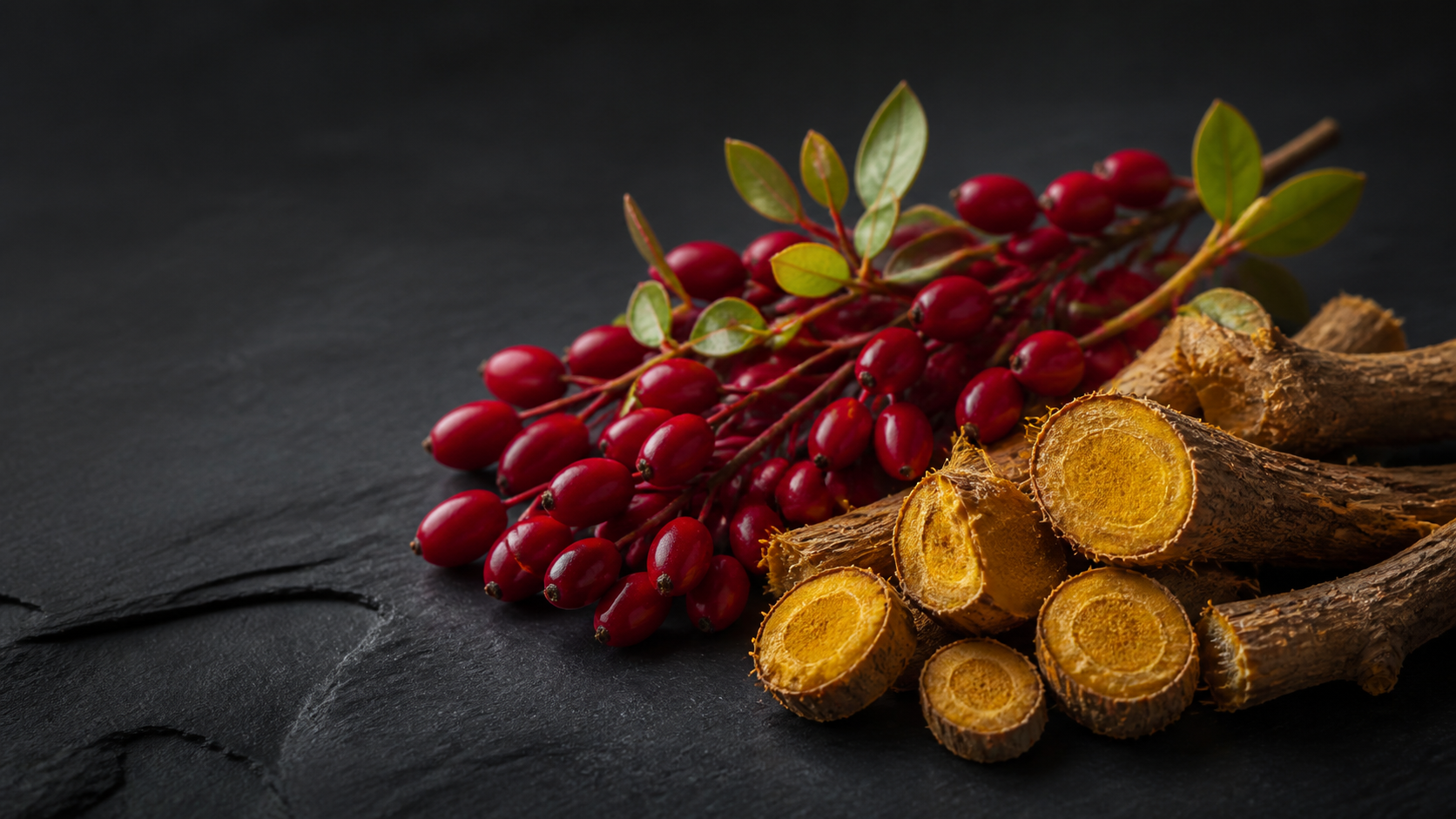
Berberine is a bitter, intensely yellow plant compound classified as an isoquinoline alkaloid. It occurs naturally in barberry, goldenseal, Oregon grape, goldthread, tree turmeric, and several other plants. Botanical preparations containing berberine have a long history in traditional Chinese and Ayurvedic medicine, although modern supplements generally contain an isolated, standardized form rather than powdered whole herbs.
Most contemporary products use berberine hydrochloride, commonly abbreviated as berberine HCl. This salt is stable, relatively easy to formulate, and widely represented in clinical research. A typical capsule supplies 400 to 550 milligrams. Newer products may bind or combine berberine with phospholipids, medium-chain triglycerides, or other delivery ingredients intended to improve absorption.
Berberine has attracted scientific interest because it appears to influence several pathways involved in cellular energy balance. Laboratory and human research suggests that it can affect AMP-activated protein kinase, or AMPK, along with glucose transport, insulin signaling, liver glucose production, and lipid metabolism. These mechanisms are biologically plausible, but a mechanism alone does not prove that a supplement will prevent or treat disease.
People most often consider berberine for metabolic wellness, especially as one of several blood sugar support supplements. Others use it in hopes of improving cholesterol, triglycerides, body weight, or digestive health. Evidence is strongest for certain markers of glucose and lipid metabolism, while claims involving rapid weight loss, longevity, or sweeping “metabolic resets” remain inadequately supported.
Berberine Benefits: What the Research Actually Shows
Blood sugar regulation is the most extensively studied of the proposed berberine benefits. A review discussed by the National Center for Complementary and Integrative Health evaluated 46 studies involving more than 4,000 participants and found potentially favorable effects on blood glucose, insulin resistance, and lipid metabolism in people with type 2 diabetes. However, study quality varied, formulations and doses were inconsistent, and many trials involved populations in China. Those limitations make it difficult to predict the effect for any individual.
Berberine may reduce the amount of glucose released by the liver, promote glucose uptake in peripheral tissues, and support insulin signaling. In practical terms, some trial participants experienced improvements in fasting glucose, post-meal glucose, or glycated hemoglobin. Berberine should nevertheless be viewed as a possible adjunct—not a replacement for diagnosis, monitoring, prescribed medication, or lifestyle treatment.
Research also suggests possible improvements in total cholesterol, LDL cholesterol, and triglycerides. These effects may involve changes in liver lipid processing and LDL-receptor activity. The results are encouraging enough to justify further study, but berberine is not a proven substitute for statins or other prescribed lipid-lowering therapies, particularly for someone at elevated cardiovascular risk.
Weight-management claims require greater restraint. Some reviews report modest reductions in body weight or body mass index, often in studies lasting more than eight weeks and using over one gram per day. Results are inconsistent, many studies have a high risk of bias, and participants frequently have conditions such as diabetes or fatty liver disease. Calling berberine “nature’s Ozempic” is therefore misleading: berberine is not equivalent to semaglutide in mechanism, evidence, predictable potency, or clinical oversight.
Berberine also interacts with intestinal microbes and has demonstrated antimicrobial effects in laboratory settings. That does not establish it as a general digestive remedy, probiotic replacement, or self-directed treatment for an infection. Its effects on the microbiome may contribute to both potential benefits and digestive adverse effects, and the clinical significance remains under investigation.
Overall, the evidence supports cautious interest rather than certainty. Berberine is among the more studied natural supplements for metabolic health, but large, long-term, independently replicated trials are still needed to clarify who benefits, which formulation works best, and whether improvements in laboratory markers translate into fewer heart attacks, strokes, or diabetes complications.

How to Choose the Best Berberine Supplement
Start by reading the Supplement Facts panel, not the marketing headline. A straightforward product should identify the amount of berberine per capsule or serving and name its form, such as berberine HCl from Berberis aristata. Avoid assuming that the weight of a proprietary complex equals the amount of active berberine. Enhanced-absorption complexes may use different dosing conventions, so compare them according to the manufacturer’s validated formulation rather than milligram count alone.
Quality verification matters because label accuracy can vary. ConsumerLab has reported substantial potency problems in some tested berberine and goldenseal products. Look for meaningful independent certification or testing from organizations such as NSF, USP, or ConsumerLab, or request a recent, lot-specific certificate of analysis. A useful certificate should address identity, potency, microbial contamination, and heavy metals—not merely state that a product “passed.”
Prefer manufacturers that disclose their plant source, extraction standard, manufacturing location, contact details, and current good manufacturing practice controls. Be skeptical of vague badges created by the brand itself. “Lab tested” has little value if the company does not identify what was tested, which methods were used, or whether an independent laboratory performed the work.
Next, consider formulation. Standard berberine HCl is affordable and has the closest connection to much of the clinical literature, but it is absorbed inefficiently and often requires divided doses. A phytosome or lipid-supported form may improve exposure or permit fewer capsules, although enhanced absorption can also change the appropriate dose and interaction risk. More bioavailable does not automatically mean safer or clinically superior.
Review inactive ingredients according to your needs. Vegetarians may prefer cellulose capsules, while some softgels use bovine gelatin. People with allergies should check for soy, dairy, gluten, sesame, or other relevant materials. Combination formulas containing cinnamon, bitter melon, chromium, or alpha-lipoic acid make it harder to identify which ingredient causes a benefit or side effect and may compound blood-sugar-lowering effects.
Finally, calculate cost per daily serving rather than cost per bottle. A low-priced 60-capsule bottle can become expensive if the label recommends three capsules daily. The best berberine supplement is not necessarily the strongest or cheapest; it is the product with credible identity and potency, appropriate dosing, tolerable ingredients, and a formulation suited to the user’s health plan.
Top Berberine Supplements to Consider
The following products illustrate useful formulation categories rather than a universal ranking. Formulas, certifications, prices, and labels can change, so verify current details before purchasing. No supplement is the best choice for everyone, and inclusion here is not a medical endorsement.
Thorne Berberine: Best Dual-Form Option
Thorne’s current berberine formula combines conventional berberine HCl with a berberine phytosome. This approach is designed to provide both a familiar standard form and enhanced delivery. It may appeal to users who prioritize a sophisticated formulation and a well-established professional supplement brand. Check the current serving size carefully because the milligrams assigned to a phytosome complex do not necessarily represent pure berberine milligrams.
Pure Encapsulations Berberine UltraSorb: Best Enhanced-Absorption Option
Berberine UltraSorb uses Berbevis, a berberine phytosome made with phospholipid-related delivery components. The manufacturer describes it as an enhanced-bioavailability product and recommends one capsule once or twice daily. It is a relatively streamlined, vegan option, but its premium price and formulation-specific dose make direct comparison with ordinary 500-milligram berberine HCl capsules inappropriate.
Integrative Therapeutics Berberine: Best Straightforward Capsule
This product provides 500 milligrams of berberine per capsule in a simple professional-style formula. It suits shoppers who want conventional dosing without an extensive blend of other glucose-active botanicals. As with any product, purchasers should confirm the current ingredient panel, allergen information, suggested use, and available quality documentation.
NOW Berberine Glucose Support: Best Lipid-Based Softgel
NOW’s formula supplies 400 milligrams of berberine HCl from Berberis aristata bark along with medium-chain triglyceride oil and capric acid. The manufacturer positions the lipid component as an absorption and gastrointestinal-comfort aid. The softgel contains bovine gelatin, so it is unsuitable for vegetarians and vegans. Its suggested use of one softgel three times daily also makes divided-dose adherence an important consideration.
ConsumerLab-Approved Berberine: Best Testing-Led Approach
For shoppers who place independent potency analysis above brand familiarity, consulting ConsumerLab’s current berberine review can be useful. Its tested-product list and approvals change as new lots and products are evaluated. This approach is more reliable than treating an old “best of” list as permanent, especially because supplement formulas and manufacturing arrangements can change without much publicity.
Choose among these categories according to evidence, tolerance, dietary preferences, and clinician guidance. Standard HCl is often the practical starting point when a professional agrees that berberine is appropriate. An enhanced-delivery product may be reasonable when capsule burden or absorption is a concern, but it should not be layered on top of standard berberine without explicit dosing advice.
Berberine Dosage and How to Take It
Clinical studies have used widely varying regimens, but standard berberine HCl is often taken in divided doses totaling approximately 900 to 1,500 milligrams per day. The NCCIH notes that research settings have used 200 to 1,000 milligrams two or three times daily. That range describes studied use; it is not a personalized recommendation, and taking the maximum is not inherently more effective.
A conservative approach is to begin only after a medication and health review, then use the lowest label-consistent dose. Taking berberine with a meal may reduce nausea or abdominal discomfort and aligns dosing with the period when glucose rises after eating. Starting with one daily dose for several days before increasing—if a clinician and the label support doing so—can make digestive tolerance easier to assess.
Dividing standard berberine HCl across meals may provide steadier exposure than taking the entire amount at once. Enhanced-absorption products can follow different instructions and should not automatically be dosed like standard HCl. Never multiply doses simply because a study used a larger amount or because an online testimonial promises faster results.
Decide in advance how effectiveness will be evaluated. For blood sugar goals, that may involve clinician-directed fasting glucose, post-meal readings, or glycated hemoglobin testing. For lipid goals, it may involve a repeat lipid panel after an appropriate interval. Without objective tracking, it is easy to continue an expensive supplement that is ineffective or to miss an excessive glucose-lowering effect.
Evidence on long-term continuous use remains less certain than short-term trial data. Schedule a reassessment rather than treating berberine as an indefinite habit. Stop and seek professional advice if significant gastrointestinal symptoms, dizziness, weakness, shakiness, unusual bruising, jaundice, or other concerning changes occur.
Safety, Side Effects, and Drug Interactions
The most common adverse effects are gastrointestinal: nausea, abdominal pain, bloating, constipation, diarrhea, and occasionally vomiting. These reactions can be dose-related. Lowering the dose or discontinuing the supplement may be appropriate, but persistent or severe symptoms warrant medical evaluation rather than repeated self-experimentation.
Berberine may intensify the effects of insulin and glucose-lowering medications, increasing the possibility of hypoglycemia. Anyone taking metformin, sulfonylureas, insulin, GLP-1 medicines, or other diabetes treatments should obtain individualized guidance and monitoring. The same caution applies when combining multiple blood sugar support supplements such as bitter melon, concentrated cinnamon extracts, or high-dose fenugreek.
Berberine can affect drug-metabolizing enzymes and transport proteins. A documented concern involves cyclosporine, and clinically important interactions may occur with other prescription drugs. People taking anticoagulants, antiplatelet drugs, immunosuppressants, blood-pressure medicines, or medicines with narrow therapeutic ranges should have a pharmacist or prescribing clinician review the complete regimen.
Berberine should not be used during pregnancy or breastfeeding and should never be given to infants. Exposure has been associated with harmful bilirubin accumulation in newborns and the risk of kernicterus, a form of brain injury. Safety in children and adolescents is not adequately established unless use is specifically supervised by an appropriate clinician.
Extra caution is appropriate for people with liver or kidney disease, those preparing for surgery, and anyone prone to low blood sugar or low blood pressure. “Natural supplements” can exert genuine pharmacological effects; natural origin does not guarantee mildness, purity, or compatibility with medications.
Most importantly, do not use berberine to delay a diabetes assessment or replace proven treatment. Excessive thirst, frequent urination, unexplained weight loss, blurred vision, fatigue, or repeatedly abnormal glucose readings require medical evaluation. Supplements marketed as cures or medication replacements are a red flag.
Building a Better Blood Sugar Support Plan
Berberine works best, if it helps at all, within a broader plan. Meals emphasizing minimally processed foods, vegetables, legumes, appropriate portions of whole grains, protein, and unsaturated fats generally offer more comprehensive metabolic support than any capsule. Soluble fiber and balanced meals can moderate the speed of glucose absorption while also supporting fullness and cardiovascular health.
Regular physical activity improves glucose uptake and insulin sensitivity through mechanisms that do not depend on berberine. Both aerobic activity and resistance training are valuable, while consistent sleep and stress management can influence appetite, food choices, and glucose regulation. These foundations also produce benefits that extend well beyond a single laboratory marker.
A clinician can help distinguish general wellness goals from prediabetes, type 2 diabetes, medication side effects, or another condition requiring treatment. Laboratory testing establishes a baseline and makes follow-up meaningful. A registered dietitian or diabetes care and education specialist can translate results into an eating pattern that is realistic rather than punitive.
If berberine is added, introduce one change at a time. Keeping the rest of the supplement routine stable makes benefits and adverse effects easier to interpret. Record the brand, lot, formulation, dose, timing, symptoms, and relevant measurements. This turns a vague supplement trial into a more disciplined and safer experiment.
Related Articles
- Saffron Supplements: Mood Support and Wellness Benefits
- NAD+ Supplement: Benefits for Energy and Longevity
- Nicotinamide Riboside Supplements: Anti-Aging and Energy Support
- Chromium Picolinate: Blood Sugar Support and Weight Management Explained
Frequently Asked Questions
What is the best berberine supplement for blood sugar support?
The best option is usually a clearly labeled berberine HCl or validated enhanced-absorption product from a manufacturer with credible quality testing. A conventional 400- to 500-milligram capsule may offer simple, flexible dosing, while a phytosome may reduce capsule burden. The right choice depends on medications, glucose levels, tolerance, budget, and professional advice.
How long does berberine take to work?
Digestive effects can appear quickly, but meaningful changes in fasting glucose or lipids generally require consistent use and objective follow-up over several weeks. Glycated hemoglobin reflects a longer period and is usually reassessed on a clinician-directed schedule. A rapid subjective sensation is not a reliable measure of metabolic benefit.
Can berberine be taken with metformin?
Only with guidance from the clinician managing the medication. Both can affect blood glucose, and the combination may require closer monitoring or treatment adjustments. Berberine can also influence drug processing, so an interaction review is important even when the products are taken at different times.
Is berberine safe for long-term use?
Short-term studies suggest that many adults tolerate studied doses, but robust evidence for continuous, long-term use is limited. Ongoing use should include periodic review of effectiveness, adverse effects, medication interactions, and relevant laboratory values. It is inappropriate during pregnancy, breastfeeding, and infancy.