Natural Testosterone Boosters: Top Supplements to Enhance Vitality
Natural testosterone boosters support vitality and energy by enhancing hormone levels with top supplements designed for mens health and wellness.

We include products we think are useful for our readers. If you buy through links on this page, we may earn a small commission.
A natural testosterone booster may help support healthy hormone production, energy, sexual well-being, strength, and overall vitality—especially when it corrects a nutritional deficiency or complements better sleep, exercise, and weight management. Among the most promising options are ashwagandha, fenugreek, zinc, vitamin D, magnesium, and tongkat ali. However, results vary, many commercial testosterone boosters overpromise, and supplements cannot replace medical evaluation or prescribed treatment for clinically low testosterone.
What Testosterone Does—and What “Boosting” It Really Means | The Best-Supported Natural Testosterone Booster Ingredients | Scientific Evidence: What the Research Actually Shows | Leading Male Vitality Supplements Compared | Lifestyle Strategies That Support Healthy Testosterone | How to Choose a Safe, High-Quality Supplement | When Supplements Are Not Enough | Frequently Asked Questions
What Testosterone Does—and What “Boosting” It Really Means
Testosterone is an androgen hormone involved in sexual function, sperm production, bone maintenance, red-blood-cell production, muscle protein synthesis, mood, and energy regulation. Although it is commonly described as a male hormone, it is present in everyone. In men, most testosterone is produced in the testes under signals from the hypothalamus and pituitary gland.
Testosterone levels naturally fluctuate. Concentrations are generally highest in the morning and may change with age, sleep quality, calorie intake, illness, medication use, obesity, stress, and physical activity. A single low laboratory result therefore does not automatically establish testosterone deficiency. Clinicians generally assess symptoms alongside repeated morning blood tests and, when appropriate, measurements such as free testosterone, sex hormone-binding globulin, luteinizing hormone, and prolactin.
In practical terms, natural hormone boosters do not act like prescription testosterone. Most supplements are intended to support the body’s existing production pathways, reduce factors that suppress hormone output, or replenish nutrients needed for normal endocrine function. Their effects are usually modest, and someone whose baseline testosterone is already healthy may notice little or no change.
That distinction matters because symptoms commonly attributed to “low T”—fatigue, reduced motivation, poor sleep, low libido, and difficulty gaining strength—can also arise from anemia, thyroid disorders, depression, sleep apnea, medication effects, overtraining, or inadequate nutrition. A supplement may be useful in the right context, but it should not become a shortcut around diagnosis.
The Best-Supported Natural Testosterone Booster Ingredients
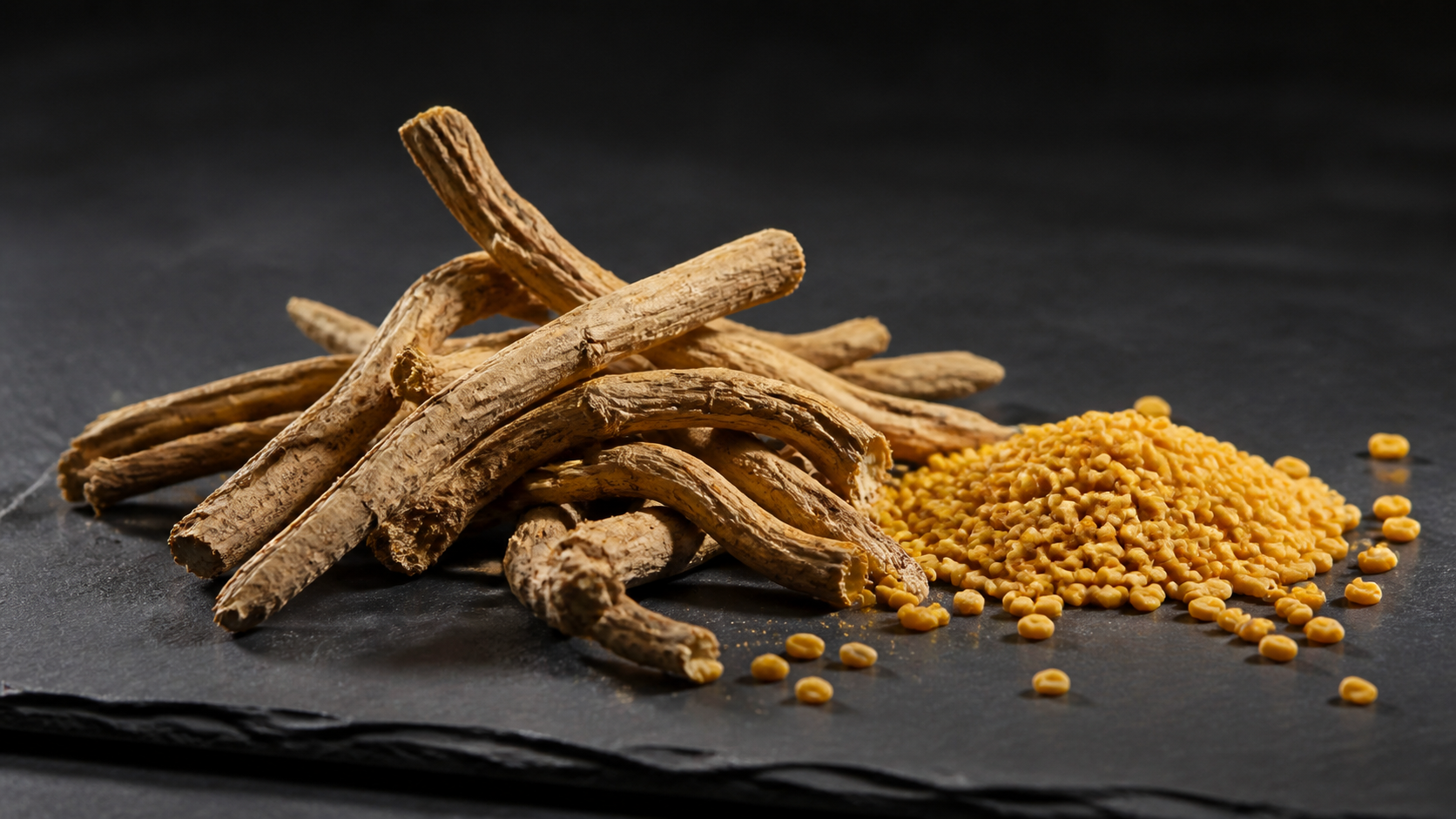
Ashwagandha is one of the most studied botanical ingredients in this category. This adaptogenic herb may influence stress signaling and reproductive hormone pathways. Some randomized trials have reported increased testosterone in men, including those experiencing stress, infertility, excess weight, or resistance-training demands. A systematic review of herbal trials found that ashwagandha and fenugreek produced the most consistent positive findings, while emphasizing that studies were generally small and varied substantially in their extracts, populations, and methods. A newer systematic review and meta-analysis also reported an increase in testosterone among male participants, although heterogeneity limits certainty.
Fenugreek is another leading candidate. Its seeds contain steroidal saponins and other bioactive compounds that may affect androgen metabolism. A meta-analysis of clinical trials found a positive effect on total testosterone, while subsequent research has produced a more qualified picture. In a 12-week placebo-controlled study, certain hormone measures improved from baseline, but changes in plasma total testosterone were not significantly greater than placebo. This suggests that the standardized extract, study population, and outcome selected can strongly influence the apparent result.
Tongkat ali, also known as Eurycoma longifolia, is traditionally used in Southeast Asia for stamina and sexual health. Preliminary clinical research suggests it may support testosterone in some men, particularly those with lower starting levels or substantial stress. Nevertheless, the evidence base is smaller than marketing often implies, and differences in extract quality make products difficult to compare.
Zinc, vitamin D, and magnesium belong in a different category. They are essential nutrients rather than direct hormonal stimulants. Correcting a deficiency may help restore normal physiology, but taking large amounts when levels are already sufficient is unlikely to produce a dramatic hormonal advantage. This “deficiency-first” principle is one of the most reliable ways to separate sensible supplementation from wishful thinking.
Scientific Evidence: What the Research Actually Shows
The evidence for testosterone boosters is encouraging in selected areas but not conclusive enough to support sweeping claims. In a systematic review of 32 herbal studies, only nine studies found statistically significant increases in testosterone. Ashwagandha and fenugreek showed the most consistent results, yet only a minority of all included studies were considered to have a low risk of bias. Many trials enrolled young, healthy participants, used small samples, or lasted only several weeks.
Changes in a laboratory value also do not guarantee meaningful improvements in daily life. A supplement might modestly increase total testosterone without improving libido, fatigue, strength, mood, or body composition. Conversely, an ingredient may improve stress, sleep, or exercise performance without substantially changing testosterone. High-quality studies should therefore assess both hormone concentrations and outcomes that participants can actually feel or measure.
Baseline status is another major variable. Nutrients such as zinc or vitamin D are more likely to help someone who is deficient than someone who already obtains enough. Botanical extracts may similarly have larger effects in populations with stress, suboptimal fertility, excess weight, or lower initial hormone levels. Results from one group should not automatically be generalized to all adults.
Supplement standardization complicates interpretation further. Two bottles labeled “ashwagandha” may contain different plant parts, extraction ratios, and concentrations of withanolides. Fenugreek products may use distinct fractions of saponins or glycosides. A positive trial on one proprietary extract does not prove that every product containing the same plant will work equally well.
Overall, the research supports a measured conclusion: some natural ingredients may produce small-to-moderate benefits in particular circumstances, but none is a guaranteed replacement for sleep, resistance exercise, adequate nutrition, or medical treatment. Claims of instant, extreme, or steroid-like results are not consistent with credible evidence.
Leading Male Vitality Supplements Compared
Ashwagandha: This is a reasonable choice for someone seeking combined support for stress management, sleep quality, exercise recovery, and healthy testosterone. Clinical products often provide standardized root or root-and-leaf extracts rather than plain powdered herb. Ashwagandha can cause digestive upset or drowsiness and may affect thyroid function. It may be unsuitable during pregnancy or for people with certain autoimmune, thyroid, or liver conditions.
Fenugreek: Standardized fenugreek extract is often marketed for libido, strength, and androgen support. The evidence suggests a possible modest effect, but not all trials have found a clear advantage over placebo. Fenugreek may cause gastrointestinal discomfort, alter the odor of perspiration, lower blood glucose, or interact with anticoagulant and diabetes medications.
Zinc: Zinc supports reproductive biology, immune function, and hundreds of enzymatic reactions. Adults should treat it as a targeted nutrient, not a “more is better” booster. Long-term excessive zinc can cause nausea and copper deficiency and may interfere with certain antibiotics. The National Institutes of Health zinc fact sheet lists an adult tolerable upper intake level of 40 milligrams per day from all sources unless a clinician recommends otherwise.
Vitamin D: Vitamin D receptors are distributed throughout the body, and low vitamin D frequently coexists with poor metabolic health. Supplementation is valuable for correcting an established insufficiency and protecting bone health, but trials examining testosterone have produced mixed results. A blood test can help determine whether supplementation is needed and guide a suitable dose.
Magnesium: This mineral supports muscle function, sleep, glucose regulation, and energy metabolism. Magnesium may be most useful when dietary intake is low, exercise losses are high, or deficiency is present. Supplemental magnesium can cause diarrhea, and impaired kidney function increases the risk of accumulation.
Tongkat ali: This botanical may appeal to adults focused on libido, stress resilience, and vitality, but product quality deserves close attention. Look for authenticated botanical material, transparent extract specifications, and independent contaminant testing. Avoid treating preliminary research as proof of a large testosterone increase.
Boron: Small studies have examined boron’s effects on free testosterone, inflammation, and mineral metabolism, but the evidence remains too limited for it to rank among first-line options. High-dose use is not justified by current data.
Tribulus terrestris and D-aspartic acid: These popular ingredients illustrate the gap between reputation and evidence. Tribulus may influence libido in some users, but research has generally not shown a reliable testosterone increase in healthy men. D-aspartic acid has generated inconsistent findings, with several resistance-training studies reporting no benefit. They are lower-priority choices compared with correcting deficiencies or selecting better-studied standardized botanicals.

Lifestyle Strategies That Support Healthy Testosterone
The most dependable natural testosterone booster is not a single capsule but a supportive daily environment. Sleep is foundational. Repeated short or fragmented nights can impair hormonal signaling, appetite control, recovery, and sexual well-being. Most adults should aim for a consistent schedule that provides seven to nine hours of sleep, while persistent snoring, gasping, morning headaches, or daytime sleepiness warrants evaluation for sleep apnea.
Resistance training is particularly valuable because it builds strength, preserves lean mass, improves insulin sensitivity, and supports healthy body composition. Compound movements and progressive training are effective, but relentless high-volume exercise without recovery can work against hormonal health. A balanced program combines challenging sessions with rest, adequate calories, protein, and carbohydrates.
Body composition matters as well. Excess abdominal fat is associated with metabolic dysfunction and altered sex-hormone metabolism. For someone with overweight or obesity, gradual fat loss may support testosterone while improving blood pressure, glucose control, mobility, and sleep. Severe calorie restriction is counterproductive; chronic under-eating and very low dietary fat can suppress reproductive signaling.
A nutrient-dense eating pattern should include sufficient protein, unsaturated fats, complex carbohydrates, fruits, vegetables, legumes, nuts, seeds, and mineral-rich foods. Oysters, beef, poultry, dairy products, beans, and fortified foods provide zinc; fatty fish and fortified foods contribute vitamin D; leafy greens, nuts, whole grains, and legumes supply magnesium. Food cannot cure clinical hypogonadism, but it can remove nutritional obstacles to normal hormone production.
Finally, moderate alcohol intake and avoid anabolic steroids or unregulated prohormones. These products can disrupt natural testosterone production and fertility. Stress-management practices—walking outdoors, breathing exercises, structured downtime, or counseling—may also improve vitality by reducing the physiological burden that competes with sleep and recovery.
How to Choose a Safe, High-Quality Supplement
Start by defining the goal. If the main concern is fatigue, erectile difficulty, loss of strength, infertility, or reduced libido, testing and clinical assessment are more informative than buying a multi-ingredient blend. If dietary records or laboratory results suggest a nutrient deficiency, a targeted supplement is generally easier to dose and evaluate than an elaborate formula.
Choose products that disclose exact quantities for every ingredient. Proprietary blends can hide underdosed ingredients or concentrate most of the formula in inexpensive components. For herbs, look for the plant species, plant part, extract ratio, and standardized active compounds. For minerals, check the amount of elemental nutrient rather than only the compound’s total weight.
Independent verification from a reputable testing organization provides additional assurance that the contents more closely match the label and that the product has been screened for contaminants. This is especially important for athletes subject to drug testing, because sexual-enhancement and muscle-building supplements are categories with a history of adulteration.
Avoid formulas that promise immediate transformations, imply that “natural” means risk-free, or contain dozens of stimulants and botanicals. Introduce one product at a time, follow the labeled dose, and track sleep, mood, digestion, libido, exercise performance, and any adverse effects. Without a baseline and a defined trial period, it is easy to attribute normal fluctuations to a supplement.
Consult a clinician or pharmacist before combining male vitality supplements with prescription medicines. Extra caution is appropriate for anyone with liver or kidney disease, hormone-sensitive cancer, diabetes, thyroid disease, a bleeding disorder, fertility concerns, or upcoming surgery.
When Supplements Are Not Enough
Persistent symptoms deserve medical attention, particularly when they include reduced sexual function, infertility, loss of body hair, breast enlargement, unexplained anemia, declining bone density, or major changes in strength and mood. Clinicians can investigate reversible contributors such as obesity, sleep apnea, pituitary disease, thyroid dysfunction, medication effects, and chronic illness.
Professional evaluation is also important because testosterone therapy and over-the-counter natural hormone boosters are fundamentally different. Prescription treatment may be appropriate for carefully diagnosed hypogonadism, but it requires monitoring and can suppress sperm production. Someone hoping to conceive should raise fertility goals before starting any hormonal therapy.
Seek prompt care for severe weakness, fainting, acute testicular pain, significant headache with visual changes, or a serious reaction after taking a supplement. Stop using a product and obtain advice if it causes jaundice, dark urine, persistent vomiting, swelling, rash, breathing difficulty, marked agitation, or a rapid heartbeat.
Related Articles
- Chromium Picolinate: Blood Sugar Support and Weight Management Explained
- Iron Tablets: Essential Guide to Anemia Prevention and Energy Support
- Iodine Supplement Guide: Benefits, Dosage, and Top Products
- Essential Mineral Supplements: Iodine, Iron, and Chromium Explained
Frequently Asked Questions
What is the most effective natural testosterone booster?
There is no universally effective option. Ashwagandha and fenugreek have some of the stronger human evidence among herbs, while zinc, vitamin D, and magnesium may help when a deficiency exists. Sleep, resistance exercise, adequate energy intake, and healthy weight management usually provide broader benefits than any single supplement.
How long do testosterone boosters take to work?
Most clinical studies of botanical testosterone boosters last approximately eight to twelve weeks, so credible products should not be expected to create dramatic changes within days. Nutrient replacement may also take weeks or months, depending on the severity of deficiency. If symptoms persist, do not keep escalating doses without medical evaluation.
Can natural testosterone boosters replace testosterone therapy?
No. Supplements may support normal physiology, but they do not reliably treat confirmed hypogonadism and should not replace prescribed care. Diagnosis usually requires compatible symptoms and consistently low morning testosterone measurements. Treatment choices depend on the cause, overall health, fertility plans, and potential risks.
Are over-the-counter testosterone boosters safe?
Not automatically. Safety depends on the ingredients, dose, manufacturing quality, medical history, and medication interactions. Even familiar herbs and nutrients can cause adverse effects, and some bodybuilding products may contain undeclared substances. Choose transparent, independently tested products and discuss their use with a qualified healthcare professional.