Top Testosterone Boosting Supplements for Men
Effective testosterone boosting supplements can enhance mens energy, strength, and vitality. Find top options to support natural hormone levels safely.

We include products we think are useful for our readers. If you buy through links on this page, we may earn a small commission.
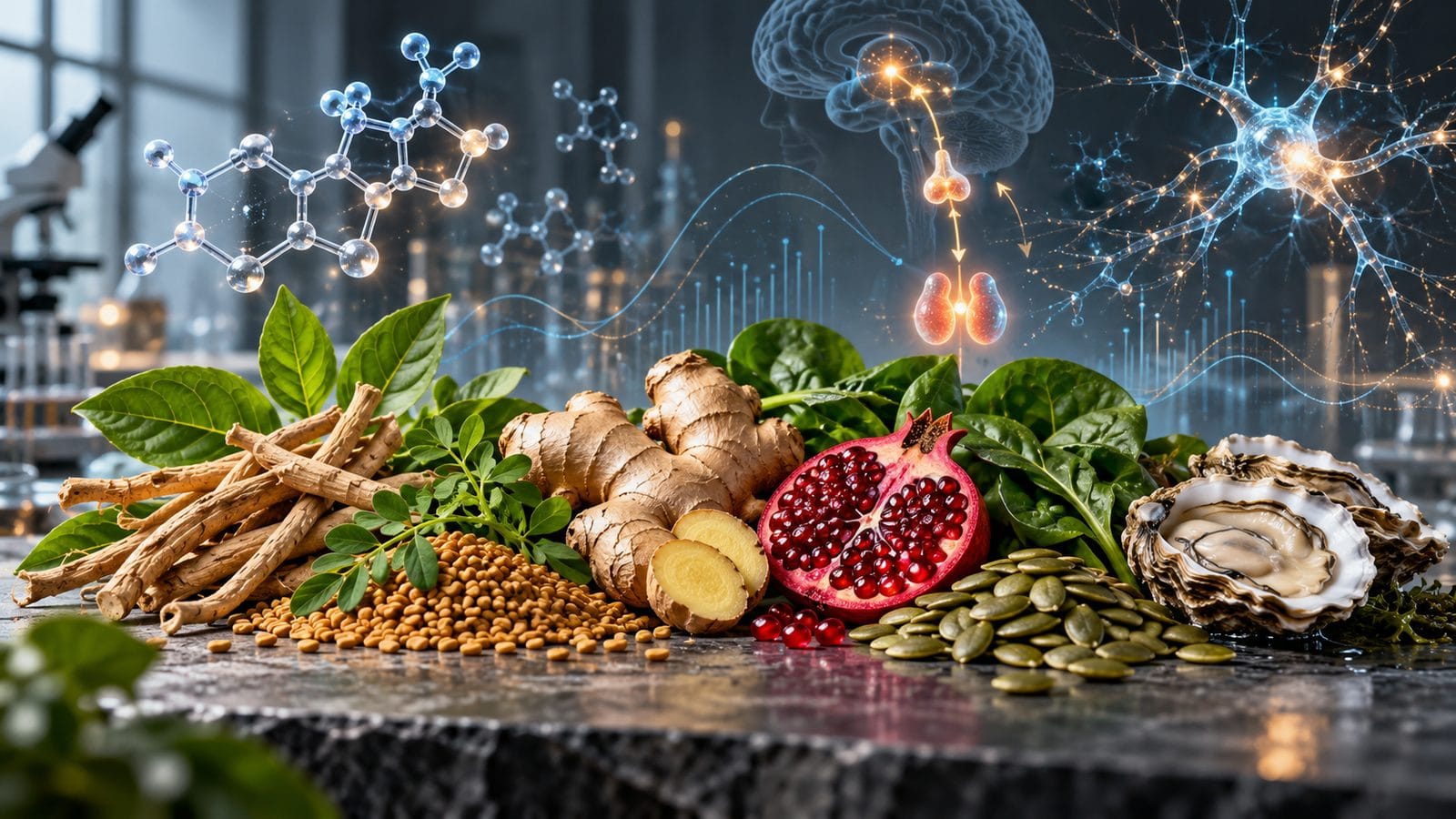
The best testosterone supplements are not miracle hormone replacements. They are evidence-informed nutrients and botanical extracts that may support normal testosterone production when a man has a deficiency, high stress, inadequate sleep, or another correctable limitation. Vitamin D, zinc, magnesium, ashwagandha, fenugreek, and tongkat ali are among the most promising options, although their effects vary considerably. A well-chosen supplement may help with energy, exercise performance, sexual well-being, or muscle recovery, but lifestyle habits and appropriate medical testing remain the foundation of healthy hormone levels.
How Testosterone Boosters Work | The Best-Supported Natural Testosterone Supplements | Supplements for Muscle Gain, Strength, and Energy | Ingredients With Weak, Mixed, or Misleading Claims | How to Compare Leading Brands and Products | Safety, Testing, and Who Should Avoid Testosterone Boosters | A Practical Evidence-Based Approach | Frequently Asked Questions
How Testosterone Boosters Work
Testosterone is an androgen hormone involved in sexual function, sperm production, red blood cell formation, bone density, mood, and the maintenance of muscle mass. It is produced primarily in the testes following signals from the hypothalamus and pituitary gland. Levels naturally fluctuate during the day and generally decline gradually with age, but obesity, chronic illness, sleep deprivation, severe calorie restriction, certain medications, and nutrient deficiencies can accelerate that decline.
Natural testosterone supplements usually work indirectly. Some supply nutrients required for hormone synthesis or healthy testicular function. Others may influence stress signaling, sleep quality, inflammation, or the availability of free testosterone. This is fundamentally different from prescription testosterone replacement therapy, which provides an external hormone and requires clinical monitoring.
The size of the benefit depends heavily on a person’s starting point. Correcting a zinc or vitamin D deficiency may improve testosterone status, while taking more of the same nutrient when levels are already adequate may accomplish little. Botanical testosterone boosters also tend to produce modest and inconsistent results rather than dramatic hormonal changes.
Symptoms such as persistent fatigue, low libido, erectile difficulties, loss of strength, depressed mood, or reduced shaving frequency are not specific to low testosterone. Thyroid disorders, anemia, sleep apnea, depression, medication effects, and cardiovascular disease can cause similar problems. Men with ongoing symptoms should seek a clinical evaluation rather than relying exclusively on an over-the-counter product.
The Best-Supported Natural Testosterone Supplements
No ingredient works for every man, but several compounds have enough research to merit consideration. The most credible options either correct common nutritional gaps or have been studied in randomized human trials. Product quality, dose, extract standardization, and the health of the participants all influence the results.
Vitamin D
Vitamin D functions more like a hormone than a conventional vitamin, and receptors for it are present throughout the reproductive system. Low vitamin D status frequently appears alongside low testosterone, obesity, limited sun exposure, and poor metabolic health. Supplementation is most likely to be useful when a blood test confirms insufficiency or deficiency.
Research on direct testosterone increases is mixed. Some studies report improvement after vitamin D supplementation, while others find little hormonal effect. Its established importance for bone, immune, and muscle health still makes it one of the most practical men’s health supplements when intake or sun exposure is inadequate. The ideal dose should be guided by a 25-hydroxyvitamin D blood test because prolonged excessive intake can raise calcium to unsafe levels.
Zinc
Zinc contributes to hundreds of enzymatic processes and is important for reproductive health. Deficiency can occur with restrictive diets, malabsorption, chronic diarrhea, heavy alcohol intake, or very high training loads. Restoring adequate zinc intake may help normalize testosterone in deficient men, but taking large doses does not reliably raise testosterone above a healthy baseline.
Long-term high-dose zinc can cause nausea and copper deficiency and may adversely affect blood cells or neurological function. Products containing moderate amounts are generally preferable to “maximum strength” formulas. Men who regularly eat oysters, red meat, poultry, dairy foods, beans, and fortified grains may already obtain sufficient zinc.
Magnesium
Magnesium supports energy metabolism, muscle contraction, sleep regulation, and hundreds of biochemical reactions. Limited evidence suggests that correcting low magnesium intake may support free or total testosterone, especially in physically active people. Its more dependable benefits involve filling a dietary gap and supporting normal neuromuscular function.
Magnesium glycinate is often selected for tolerability, while citrate can have a laxative effect. Supplemental magnesium may interact with certain antibiotics and thyroid medication, so doses should be separated as directed by a clinician or pharmacist. People with impaired kidney function should not supplement without medical supervision.
Ashwagandha
Ashwagandha is an adaptogenic herb studied for stress, sleep, exercise recovery, fertility, and hormonal health. Several small trials using standardized root extracts have reported modest testosterone increases, improved resistance-training outcomes, or better sperm parameters. Reduced perceived stress and cortisol may partly explain these findings.
The evidence remains less definitive than advertising often implies. Extracts differ in concentration and chemical profile, and studies have not always used the same preparation. Ashwagandha can cause digestive discomfort or drowsiness and may affect the thyroid, immune system, liver, or blood glucose. It is unsuitable for some people with autoimmune or thyroid conditions and can interact with sedatives and other medications.
Fenugreek
Fenugreek seed extracts are common in testosterone and sports-nutrition formulas. Some standardized extracts have shown small improvements in libido, strength, body composition, or testosterone-related measures. Other trials have produced neutral results, making the evidence promising but inconsistent.
Fenugreek may alter blood sugar and increase bleeding risk when combined with anticoagulant or antiplatelet drugs. It can also cause digestive symptoms and a characteristic sweet odor in sweat or urine. Buyers should look for an extract that identifies its standardization rather than an unspecified quantity of generic seed powder.
Tongkat Ali
Tongkat ali, also called Eurycoma longifolia, is traditionally used in Southeast Asia for vitality and sexual health. Early human research suggests that standardized root extracts may support libido, stress resilience, semen quality, or testosterone in some men, particularly those experiencing stress or low baseline levels.
Nevertheless, the clinical evidence is still developing, and product purity is a significant concern. Poorly controlled extracts may contain contaminants or inaccurate ingredient amounts. Tongkat ali should be approached cautiously by anyone with cardiovascular disease, hormone-sensitive conditions, sleep problems, or multiple medications.

Supplements for Muscle Gain, Strength, and Energy
Testosterone is relevant to muscle protein synthesis, but a product does not need to raise testosterone to improve gym performance. In fact, some of the most reliable sports supplements work through entirely different mechanisms. Creatine monohydrate increases the availability of rapid cellular energy and consistently supports strength, training capacity, and lean mass when combined with resistance exercise.
Creatine should not be marketed as a direct testosterone booster. Most research does not show a meaningful long-term increase in testosterone from creatine alone. It remains valuable because improved training quality can help men gain muscle regardless of whether hormone concentrations change. A routine daily dose is generally more important than elaborate loading protocols.
Protein powder can be helpful when whole-food intake does not provide enough protein for recovery and muscle growth. Whey, casein, soy, pea, and blended plant proteins can all work when they supply sufficient total protein and essential amino acids. Like creatine, protein is performance nutrition rather than a hormonal treatment.
For energy, it is important to distinguish fatigue from low testosterone. Caffeine can acutely improve alertness and exercise performance, but excessive use may worsen sleep—the very behavior needed for normal testosterone rhythms. Iron should never be used as a general energy supplement without evidence of deficiency because excess iron can be harmful, particularly for adult men.
The strongest muscle-building combination remains progressive resistance training, adequate calories, sufficient protein, and seven to nine hours of sleep. Natural testosterone supplements should be considered additions to those fundamentals, not substitutes for them.

Ingredients With Weak, Mixed, or Misleading Claims
Several popular ingredients have more marketing momentum than clinical support. Tribulus terrestris is frequently promoted for testosterone, yet controlled studies generally fail to show meaningful increases in healthy men. It may influence sexual well-being in some contexts, but that is not the same as raising testosterone.
D-aspartic acid initially attracted attention after short studies suggested hormonal benefits. Later research in resistance-trained men found inconsistent effects, including no change at typical doses. It should not be regarded as a dependable long-term testosterone strategy.
Boron has shown intriguing hormonal effects in small or short studies, but there is not enough high-quality evidence to define an effective testosterone-boosting protocol. Maca may support libido without measurably increasing testosterone. Likewise, horny goat weed has limited human evidence and can interact with cardiovascular or blood-thinning medications.
“Proprietary blends” present another problem. A label may display an impressive total weight while hiding the amount of every individual ingredient. This makes it impossible to determine whether the formula matches studied doses. Products making steroid-like promises, claiming to permanently transform hormone levels, or suggesting that medical testing is unnecessary should be avoided.
How to Compare Leading Brands and Products
The best testosterone supplements are defined less by aggressive branding than by transparent formulation and independent quality controls. Reputable supplement manufacturers commonly considered in the broader men’s health category include Thorne, Life Extension, NOW Foods, Nature Made, Pure Encapsulations, and Momentous. Specialized botanical companies such as Nootropics Depot also publish detailed specifications for certain standardized extracts. Brand reputation is useful, but it does not guarantee that every product is appropriate for every buyer.
Look for third-party certification from organizations such as NSF International, USP, or Informed Sport when available. These programs can help verify ingredient identity, manufacturing quality, and contaminant testing. Athletes subject to drug testing should prioritize sport-specific certification because ordinary quality testing does not necessarily screen for all prohibited substances.
A strong product label lists exact ingredient amounts, the plant part used, and any meaningful standardization. An ashwagandha supplement, for example, should identify whether it contains root, leaf, or both and state the concentration of characteristic compounds. Mineral labels should specify the elemental dose rather than only the weight of the full compound.
Single-ingredient products are often easier to evaluate than all-in-one testosterone boosters. They allow users and clinicians to match a supplement to a documented need, monitor tolerance, and avoid duplicating nutrients already present in a multivitamin. Combination formulas may be convenient, but many include underdosed botanicals alongside unnecessarily high levels of zinc or vitamin B6.
Formulas and certifications change, so consumers should verify the current label and testing status on the manufacturer’s website or certification database before buying. Price should be judged per clinically relevant dose, not by the number of capsules or the intensity of the marketing.
Safety, Testing, and Who Should Avoid Testosterone Boosters
Supplements can cause side effects and drug interactions even when their ingredients are described as natural. Men taking anticoagulants, diabetes drugs, blood-pressure medication, thyroid medication, sedatives, immunosuppressants, or multiple prescriptions should consult a qualified clinician or pharmacist before starting a botanical blend.
Medical evaluation is especially important for men with infertility, breast or prostate symptoms, liver or kidney disease, cardiovascular disease, untreated sleep apnea, or a history of hormone-sensitive cancer. Sudden testicular pain, a breast or testicular lump, severe weakness, chest pain, or neurological symptoms require prompt care rather than supplementation.
Low testosterone cannot be diagnosed from symptoms alone. Clinical guidelines generally rely on compatible symptoms plus consistently low morning testosterone measurements obtained on separate occasions. A clinician may also examine free testosterone, luteinizing hormone, prolactin, thyroid function, blood counts, metabolic health, and other factors to determine the cause.
This distinction matters because prescription testosterone can suppress sperm production and is not appropriate for every man. Over-the-counter boosters are not equivalent to prescription treatment, but they can still complicate testing or delay diagnosis. Bring a complete list of supplements to medical appointments and consider obtaining baseline laboratory results before beginning a hormone-focused regimen.
Introduce only one new ingredient at a time when possible. Follow label limits, stop the product if concerning symptoms develop, and reassess whether it is helping after a defined period. Continuous use without a clear goal makes it harder to notice side effects and easier to waste money.
A Practical Evidence-Based Approach
Begin with the factors that exert the largest influence on hormonal and overall health. Resistance training, regular physical activity, sufficient sleep, treatment of sleep apnea, moderate alcohol intake, and a nutrient-rich diet support both testosterone and cardiometabolic health. For men carrying excess body fat, gradual weight loss may produce a more meaningful hormonal improvement than most commercial testosterone boosters.
Next, investigate likely deficiencies. Vitamin D may be reasonable after limited sun exposure or a low blood level. Zinc can make sense with a deficient diet or malabsorption risk. Magnesium may be useful when food intake is inadequate. Choose one targeted product, confirm a sensible dose, and avoid stacking it with multiple fortified formulas.
Men primarily seeking stress support may consider a standardized ashwagandha extract, while those exploring libido or vitality may discuss fenugreek or tongkat ali with a clinician. Expectations should remain realistic: even the best natural testosterone supplements usually produce modest changes, and an improvement in mood or sexual interest does not prove that testosterone increased.
For muscle gain, prioritize a structured resistance program, adequate protein, and creatine monohydrate. For persistent low energy, investigate sleep, calorie intake, anemia, thyroid function, depression, and medication effects. This targeted approach is safer and more likely to work than buying a complex formula based on symptoms alone.
Frequently Asked Questions
What is the most effective natural testosterone supplement?
There is no universally effective option. Vitamin D, zinc, or magnesium may be most useful when a deficiency is limiting normal hormone production. Among botanicals, standardized ashwagandha, fenugreek, and tongkat ali have some supportive human evidence, but results are modest and inconsistent. The best choice depends on laboratory findings, symptoms, diet, health conditions, and medications.
Can testosterone boosters build muscle without exercise?
No supplement reliably creates substantial muscle without an appropriate training stimulus. Even if a product produces a small hormonal change, progressive resistance exercise, adequate protein, sufficient calories, and recovery remain essential. Creatine can improve training capacity and lean-mass gains, but it is not a substitute for exercise and is not primarily a testosterone booster.
How long do natural testosterone supplements take to work?
The timeline depends on the ingredient and the reason for taking it. Correcting a nutrient deficiency may require several weeks or months. Botanical trials often last roughly eight to twelve weeks, although that does not guarantee an individual benefit. A product should be assessed using a predefined outcome, such as corrected laboratory values or improved validated symptoms, rather than vague impressions alone.
Are over-the-counter testosterone boosters safe?
Some well-made, appropriately dosed products are tolerated by many healthy adults, but none are risk-free. Excess minerals can cause toxicity, herbs can interact with medication, and contaminated products may contain undeclared substances. Men with chronic disease, fertility concerns, abnormal hormone tests, or prescription medications should obtain professional guidance and choose independently tested products with fully disclosed ingredients.