Olive Leaf Extract: Health Benefits and Supplement Guide
Olive leaf extract offers powerful antioxidants and supports immune health. This guide covers benefits, uses, and how to choose the right supplement.


We include products we think are useful for our readers. If you buy through links on this page, we may earn a small commission.
Olive leaf extract is a concentrated source of plant polyphenols—especially oleuropein—that may support healthy blood pressure and other aspects of cardiovascular health. Laboratory research also identifies antioxidant and anti-inflammatory activity, but human evidence for blood sugar, cholesterol, immunity, and infection-related benefits remains limited or inconsistent. The supplement is generally well tolerated in short-term studies, yet it should complement rather than replace proven medical care, a balanced diet, physical activity, and prescribed medication.
What Is Olive Leaf Extract? | How Its Antioxidant Compounds May Work | Potential Olive Leaf Benefits for Blood Pressure and Heart Health | Blood Sugar, Inflammation, Immunity, and Other Claims | How to Choose a High-Quality Supplement | Dosage, Timing, and Practical Use | Safety, Side Effects, and Drug Interactions | Frequently Asked Questions | The Bottom Line | Scientific Sources
What Is Olive Leaf Extract?
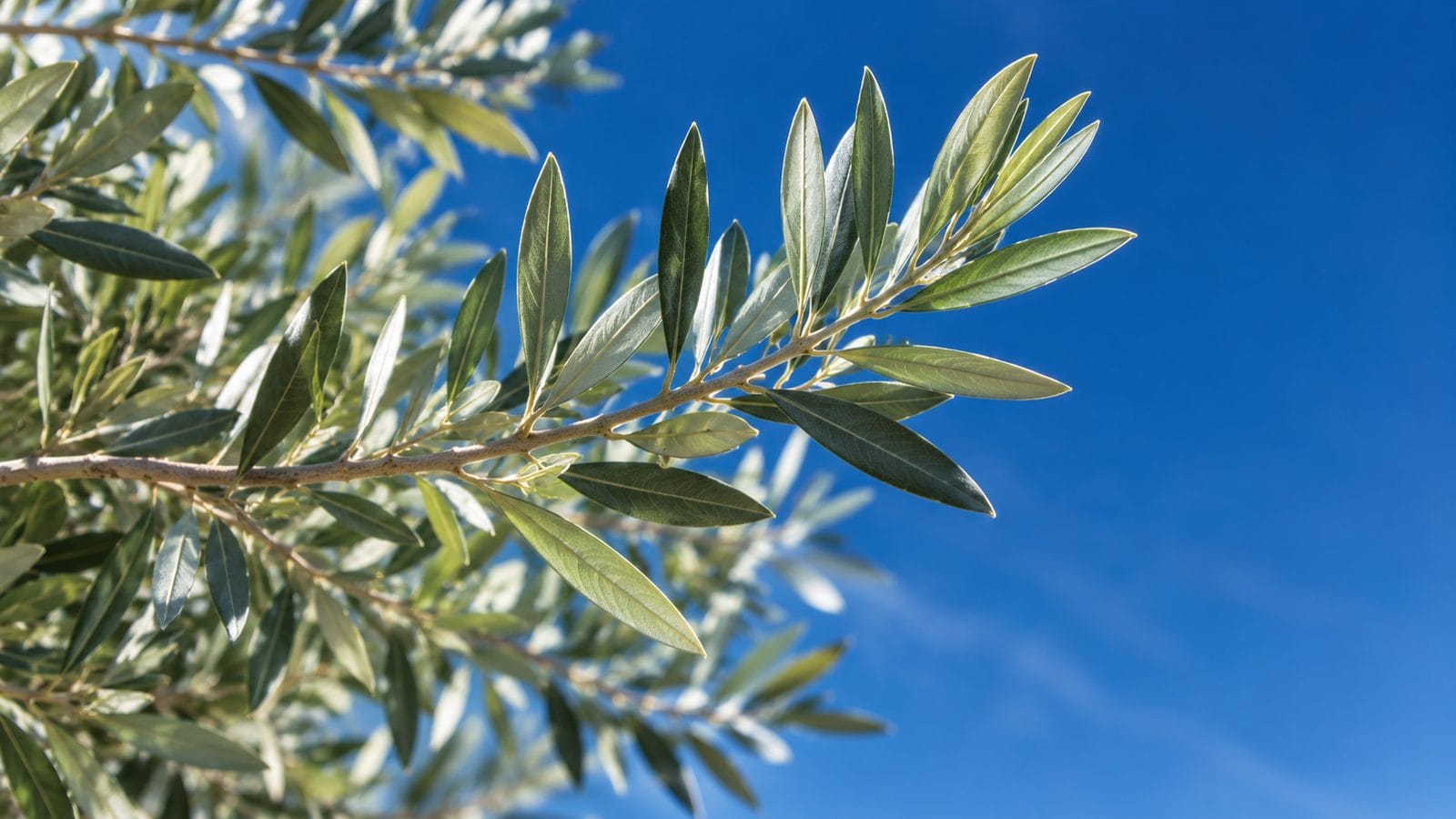
Olive leaf extract is made from the leaves of the olive tree, Olea europaea. These leaves have a long history of use in Mediterranean herbal traditions, although modern extracts differ substantially from traditional teas and powdered leaves. Manufacturers typically use water, alcohol, or a combination of solvents to concentrate selected compounds before producing capsules, tablets, powders, or liquid extracts.
The best-known constituent is oleuropein, a bitter-tasting secoiridoid polyphenol also present in olives and, in smaller or chemically transformed amounts, olive oil. Olive leaves contain additional compounds such as hydroxytyrosol, verbascoside, luteolin derivatives, rutin, and other flavonoids. Their proportions depend on the olive cultivar, harvest season, leaf storage, extraction process, and product standardization.
This variability matters when comparing herbal supplements. A label stating “500 milligrams of olive leaf extract” does not reveal how much oleuropein or total polyphenol the serving supplies. One 500-milligram extract might contain 20 percent oleuropein, while another could provide a much lower concentration. The products are not necessarily equivalent, and research results obtained with one standardized formulation cannot automatically be applied to every product on the market.
Olive leaf extract should also be distinguished from olive oil. Extra-virgin olive oil is a nutrient-rich food containing monounsaturated fat and a different polyphenol profile. Its cardiovascular benefits are supported within Mediterranean dietary patterns. Olive leaf extract is a concentrated supplement with a smaller and less mature clinical evidence base.
How Its Antioxidant Compounds May Work
Normal metabolism continuously produces reactive molecules known as free radicals. Cells control them with internal antioxidant systems, but excessive production can contribute to oxidative stress, damaging lipids, proteins, and DNA. Persistent oxidative stress is associated with aging and many chronic diseases, although it is only one component of these complex conditions.
Oleuropein and related olive polyphenols can neutralize reactive molecules in laboratory experiments. They may also influence enzymes and signaling pathways involved in the body’s own antioxidant defenses. This is why olive leaf products are often marketed as antioxidant supplements. However, strong activity in a test tube does not guarantee a meaningful clinical effect. Digestion, absorption, metabolism, dosage, and tissue exposure all influence what happens after a person swallows an extract.
Some oleuropein is broken down into compounds including hydroxytyrosol, which may contribute to biological activity. Experimental studies suggest that these substances can affect oxidative modification of low-density lipoprotein, nitric-oxide signaling, inflammatory pathways, and vascular function. These mechanisms are scientifically plausible, but mechanistic evidence should be viewed as an explanation of what might happen—not proof that a supplement prevents heart disease or extends life.
Clinical trials have measured markers such as oxidized LDL, inflammatory cytokines, and vascular responses, with mixed findings. Differences in dose, participant health, treatment duration, and extract composition make the literature difficult to combine. The fairest conclusion is that olive leaf compounds possess antioxidant properties, while the size and practical importance of their effects in people remain uncertain.

Potential Olive Leaf Benefits for Blood Pressure and Heart Health
Blood-pressure support is the most promising proposed use of olive leaf extract. Polyphenols may promote blood-vessel relaxation by supporting nitric-oxide signaling, influencing calcium movement in vascular muscle, or interacting with pathways that regulate vessel tone. Small randomized trials have reported reductions in systolic and diastolic pressure, particularly among adults with elevated readings.
In one double-blind crossover trial, 60 men with prehypertension consumed a phenolic-rich extract or a polyphenol-free control for six weeks. The extract supplied 136 milligrams of oleuropein and 6 milligrams of hydroxytyrosol per day. Average 24-hour systolic and diastolic readings were modestly lower during the extract phase. More recent evidence reviews have also reported possible reductions, but they emphasize the small number of eligible trials, differences among formulations, and variable study quality.
These findings are encouraging rather than definitive. Blood pressure can change with sodium intake, sleep, stress, exercise, alcohol consumption, measurement technique, and adherence to medication. Some studies are short, enroll narrowly defined groups, or lack enough participants to identify uncommon adverse effects. A supplement-induced change in a research setting also does not establish that olive leaf extract prevents heart attacks or strokes.
Results for cholesterol and triglycerides are less consistent. Certain reviews suggest small improvements in triglycerides or LDL cholesterol, especially in people with existing cardiometabolic risk. Other well-controlled studies find changes too small to be clinically important, and a recent review of methodologically robust trials found no clear lipid benefit under usual patterns of use. Olive leaf extract therefore should not replace statins or other prescribed lipid-lowering treatment.
Anyone with hypertension should continue home monitoring and clinician-directed care. Lifestyle measures—including a Mediterranean-style eating pattern, regular activity, weight management, adequate sleep, and reduced sodium intake—have stronger evidence. Because the extract could add to the effects of antihypertensive drugs, combining them without monitoring may cause dizziness, weakness, or excessively low blood pressure.
Blood Sugar, Inflammation, Immunity, and Other Claims
Olive polyphenols have produced interesting metabolic effects in cell and animal experiments, including altered glucose transport, improved insulin signaling, and reduced inflammatory activity. Human research is much less conclusive. Small trials have sometimes reported better insulin sensitivity or post-meal glucose responses, but findings have not been consistent across populations or study designs.
A recent systematic review of randomized trials found no statistically or clinically significant improvement in continuous-intake studies examining glycemic or lipid outcomes, while inflammatory evidence was sparse and uncertain. A pilot trial in adults with type 2 diabetes found the supplement was reasonably well tolerated but did not demonstrate a significant improvement in HbA1c. People with diabetes should therefore not use olive leaf extract as a substitute for medication, nutrition therapy, activity, or glucose monitoring.
Anti-inflammatory claims require similar caution. Oleuropein can influence molecular pathways associated with inflammation in preclinical studies, but inflammation is not a single disease or laboratory value. Trials measuring C-reactive protein and cytokines have produced mixed results. There is insufficient evidence to recommend the extract as a treatment for arthritis, inflammatory bowel disease, or any other inflammatory disorder.
Olive leaf extract also demonstrates antimicrobial activity against selected bacteria, fungi, and viruses under laboratory conditions. Such experiments may expose microorganisms directly to concentrations that cannot be achieved safely in human tissues. They do not establish that an oral supplement treats colds, influenza, herpes, yeast infections, or bacterial illness. Claims that the extract “kills pathogens” or replaces antibiotics are unsupported and potentially dangerous.
Traditional European use includes preparations intended to increase urinary water elimination in minor cases of fluid retention. The European Medicines Agency bases that use on long-standing tradition rather than sufficient clinical-trial evidence. This is not a rationale for treating swelling, heart failure, or kidney disease without medical assessment. Sudden or persistent fluid retention can signal a condition requiring prompt care.
How to Choose a High-Quality Supplement
Product recommendations are best based on transparency and testing rather than dramatic marketing. Start by looking for the full botanical name, Olea europaea, and confirmation that the leaf—not an unspecified olive-tree component—is used. The label should state both the extract quantity and the amount or percentage of oleuropein. This makes products easier to compare and allows closer alignment with clinical research.
Choose a manufacturer that provides independent testing for identity, microbial contamination, heavy metals, and solvent residues. In the United States, seals from reputable third-party certification programs can verify that a product was manufactured to specified standards and contains the labeled ingredients. Certification does not prove that olive leaf benefits are clinically meaningful, but it lowers the risk of poor-quality or inaccurately labeled material.
Avoid proprietary blends that conceal individual ingredient amounts. Multi-ingredient formulas also make it difficult to know which substance caused a benefit or adverse reaction. Products promising to cure hypertension, reverse diabetes, “detox” the body, or replace prescription drugs should be treated as warning signs. The most responsible brands use measured language, disclose standardization, provide lot-level testing information, and offer clear contact details.
Capsules can provide convenient, repeatable servings. Liquids allow flexible measurement but may vary in concentration and can contain alcohol, sweeteners, or flavorings. Tea made from olive leaves is less standardized and should not be assumed to deliver the quantities used in supplement trials. Format matters less than verified composition, reasonable dosing, and manufacturing quality.
Dosage, Timing, and Practical Use
There is no universally established therapeutic dose of olive leaf extract. Human studies have used formulations ranging from a few hundred milligrams to approximately 1,000 milligrams of extract per day, often divided into one or two servings. More important than the extract’s total weight is its standardized oleuropein content, which varies markedly. Trial doses should not be interpreted as personalized medical recommendations.
Follow the specific product instructions unless a qualified clinician recommends otherwise. A cautious approach is to begin with the lowest labeled serving and assess tolerance. Taking the supplement with food may reduce stomach discomfort. Do not increase the dose merely because effects are not immediately noticeable; more is not necessarily better, and long-term safety data are limited.
If the goal is blood-pressure support, record properly measured home readings before beginning and at consistent times afterward. Use a validated upper-arm monitor, sit quietly beforehand, and share the log with a healthcare professional. Stop and seek advice if readings become unusually low or symptoms such as faintness develop. For blood sugar, clinician-guided monitoring is especially important because a supplement may complicate medication adjustment.
Set a defined evaluation period rather than taking the product indefinitely without review. After roughly eight to twelve weeks, discuss whether objective measures and overall tolerance justify continued use. Supplements that produce no measurable benefit, cause adverse effects, or create financial strain are not earning a place in a health plan.
Safety, Side Effects, and Drug Interactions
Short-term clinical studies generally describe olive leaf extract as well tolerated. Reported or plausible side effects include nausea, abdominal discomfort, diarrhea, headache, and dizziness. Allergic reactions are possible, particularly in people sensitive to plants in the olive family. Stop using the supplement and seek urgent help for facial swelling, difficulty breathing, or other signs of a severe reaction.
Because olive leaf extract may reduce blood pressure, it could have additive effects with antihypertensive medicines. Similar caution applies to insulin and glucose-lowering drugs because of the extract’s possible metabolic activity. Symptoms such as shakiness, sweating, confusion, unusual fatigue, or faintness require prompt attention. Evidence about other interactions is incomplete, so a pharmacist should review the entire medication and supplement list.
Avoid self-treatment during pregnancy or breastfeeding because adequate safety studies are unavailable. Safety has not been established for children. People preparing for surgery should tell the surgical team about every herbal product they use; clinicians commonly recommend stopping nonessential supplements in advance because of uncertain effects on blood pressure, glucose, bleeding, anesthesia, or medication metabolism.
Extra caution is appropriate for people with severe heart or kidney disease, particularly when fluid intake or fluid balance must be controlled. The European herbal monograph advises against traditional olive-leaf medicines used for water elimination in conditions where reduced fluid intake is recommended. Anyone with chronic liver or kidney disease should obtain medical guidance before use.
Dietary supplements are not evaluated like prescription medicines before reaching the market, and natural origin does not guarantee safety. A carefully chosen olive leaf extract may be a reasonable optional addition for some adults, but it remains an adjunct—not an essential nutrient or a proven treatment.
Frequently Asked Questions
What is olive leaf extract good for?
Its most plausible use is modest support for healthy blood pressure, particularly in adults with elevated readings. Evidence for cholesterol, blood sugar, inflammation, immunity, and antimicrobial effects is mixed or insufficient. It has not been shown to prevent or cure cardiovascular disease, diabetes, infections, or other medical conditions.
How much oleuropein should a supplement contain?
No universally accepted daily target exists. Clinical products vary, and some trials have supplied roughly 50 to 160 milligrams of oleuropein per day. That range describes research rather than an established recommendation. Compare labels by the stated milligrams of oleuropein per serving, begin conservatively, and seek professional advice when medications or chronic conditions are involved.
Can olive leaf extract be taken every day?
Many studies have used daily supplementation for several weeks or months, but evidence about continuous long-term use is limited. Healthy adults may tolerate short-term use, although individual risks differ. Review daily use with a clinician after a defined trial period, especially if the supplement is intended to influence blood pressure or glucose.
Is olive leaf extract the same as eating olives or using olive oil?
No. The extract concentrates compounds from olive leaves and may provide substantially more oleuropein than ordinary foods. Olives and extra-virgin olive oil contribute nutrients within an overall dietary pattern, while the extract is a standardized or semi-standardized herbal product. Their research evidence, doses, composition, and expected effects are not interchangeable.
The Bottom Line
Olive leaf extract is an interesting member of the broader category of antioxidant supplements. Its polyphenols have credible biological activity, and preliminary clinical evidence suggests a possible modest effect on blood pressure. Yet studies are often short, formulations vary, and findings for lipids, glucose control, inflammation, and immune health remain inconsistent.
Consumers interested in olive leaf benefits should choose a clearly standardized, independently tested product and focus on measurable goals. The supplement should sit behind—not ahead of—proven fundamentals such as prescribed care, a Mediterranean-style diet, exercise, sleep, and appropriate monitoring. Consulting a physician or pharmacist is particularly important for anyone taking blood-pressure or diabetes medication, managing a chronic condition, preparing for surgery, or considering long-term use.
Scientific Sources
- Randomized controlled trial of phenolic-rich olive leaf extract and cardiovascular markers
- Systematic review and meta-analysis of olive leaf extract for blood pressure
- Systematic review of cardiometabolic outcomes in randomized clinical trials
- Systematic review and meta-analysis of metabolic and inflammatory effects
- European Medicines Agency assessment of olive leaf