Neuriva Plus Supplement: Ingredients, Benefits, and User Reviews
Neuriva Plus supports brain health with key ingredients designed to boost memory, focus, and mental clarity. See how users rate its benefits.


We include products we think are useful for our readers. If you buy through links on this page, we may earn a small commission.
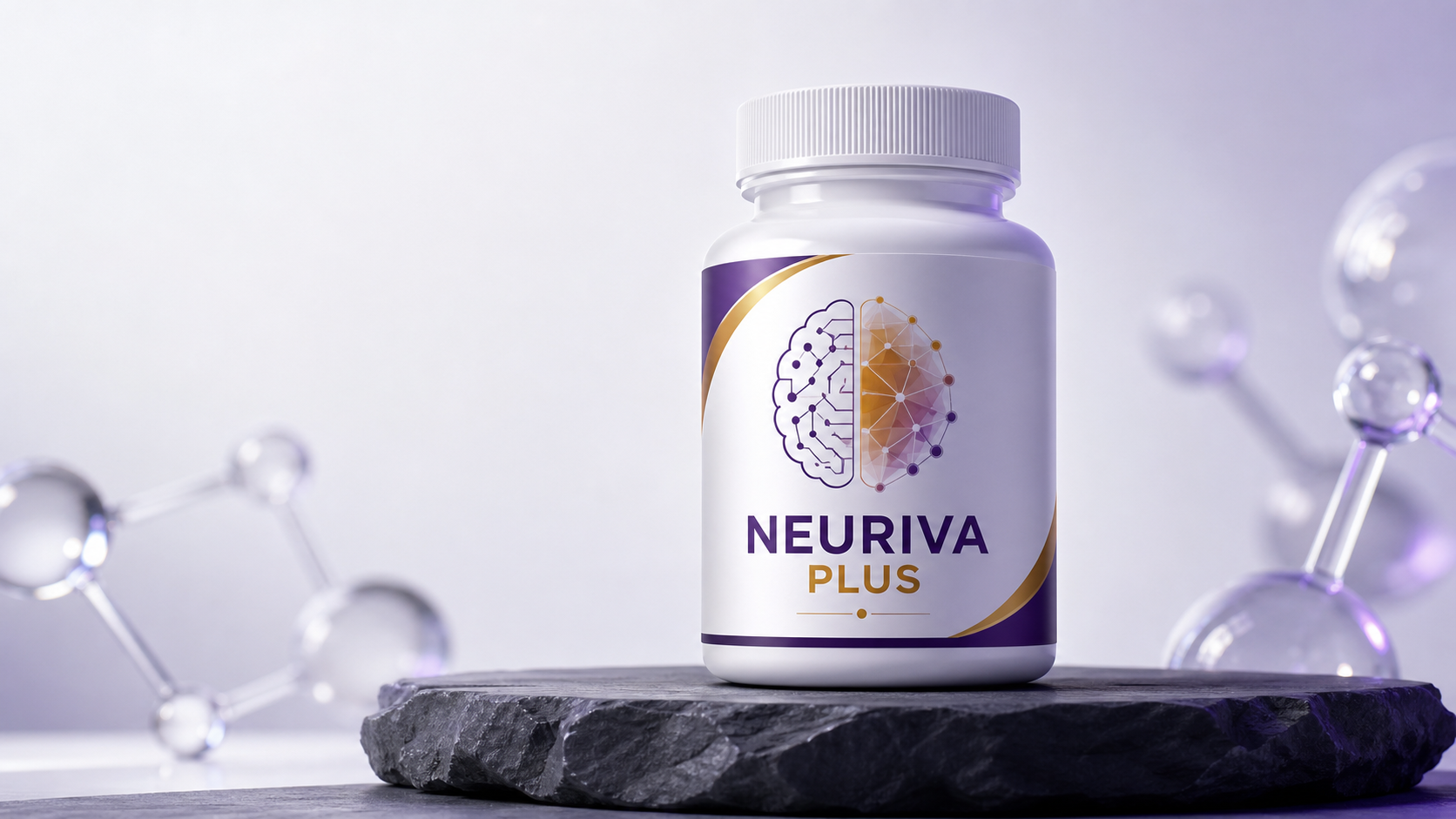
Neuriva Plus is a daily brain-health supplement that combines decaffeinated whole coffee cherry extract, plant-sourced phosphatidylserine, folic acid, vitamin B6, and vitamin B12. It is marketed to support memory, focus, concentration, learning, accuracy, and reasoning. The formula is more plausible than many sprawling “nootropic” blends because its principal ingredients have recognizable biological roles, and one controlled trial has evaluated the combination itself. However, the evidence remains limited: Neuriva Plus is not a proven treatment for cognitive impairment, dementia, attention disorders, or persistent brain fog, and user reviews cannot establish that it works.
What Is Neuriva Plus? | Neuriva Plus Ingredients and What They Do | Potential Cognitive Health Benefits | What Does the Clinical Evidence Show? | Neuriva Reviews and User Experiences | Safety, Side Effects, and Who Should Avoid It | How Neuriva Plus Compares With Other Brain Supplements | Frequently Asked Questions
What Is Neuriva Plus?
Neuriva Plus is one of several over-the-counter brain supplements sold under the Neuriva name. Compared with the original formula, the Plus version contains additional B vitamins and twice the amount of the branded coffee cherry extract NeuroFactor. According to the manufacturer’s current product information, the capsule formula is vegetarian, gluten-free, non-GMO, and decaffeinated. It contains soy, which is important for consumers with allergies.
The product is intended for healthy adults who want nutritional support for everyday cognitive performance—not for people seeking to diagnose or treat a neurological condition. Its advertised outcomes include better focus, memory, learning, accuracy, concentration, and reasoning. These are broad categories rather than guaranteed effects, and “supports” is not equivalent to “clinically proven to improve” every outcome in every user.
Neuriva Plus is available as capsules and strawberry-flavored gummies. Adults are directed to take one capsule daily; the gummy serving is two gummies daily. The formats contain similar featured ingredients, but their inactive ingredients differ. Gummies include sugar and corn syrup, while capsules contain processing aids and a vegetarian capsule shell. Because formulas and labels can change, shoppers should check the Supplement Facts panel on the specific package they plan to use.
Unlike stimulant-based cognitive enhancers, Neuriva Plus is not designed to produce an immediate caffeine-like surge. NeuroFactor is derived from coffee fruit but is decaffeinated. That may appeal to people who are sensitive to caffeine, although it also means users should not expect the rapid alertness commonly associated with coffee or energy products.
Neuriva Plus Ingredients and What They Do
The central active ingredient is NeuroFactor, a branded extract made from the whole fruit of Coffea arabica. Coffee cherries are the red or purple fruits surrounding coffee beans. Their pulp and skin contain polyphenols, including chlorogenic-acid compounds. These plant chemicals have antioxidant and cell-signaling properties, although consuming a standardized extract is not identical to eating fruit or drinking coffee.
NeuroFactor is promoted partly through its possible relationship with brain-derived neurotrophic factor, or BDNF. BDNF is a signaling protein involved in neuronal survival, synaptic plasticity, and learning-related processes. This creates an appealing biological hypothesis, but a rise in BDNF measured in blood does not automatically prove a meaningful improvement inside the brain. Blood biomarkers and real-world cognitive performance are related research questions, not interchangeable outcomes.
Phosphatidylserine is a phospholipid naturally present in cell membranes and particularly abundant in nervous tissue. It contributes to membrane structure and participates in cell signaling. Neuriva Plus uses plant-sourced phosphatidylserine, commonly derived from soy. Research on supplemental phosphatidylserine has produced some encouraging findings in older adults with memory complaints, but studies have differed in source, dose, duration, and participant characteristics. Evidence from one preparation cannot always be transferred directly to another.
The formula also contains folic acid, vitamin B6, and vitamin B12. These nutrients contribute to normal homocysteine metabolism, red-blood-cell formation, and nervous-system function. A genuine deficiency—particularly vitamin B12 deficiency—can cause neurological or cognitive symptoms, so correcting a deficiency matters. In adequately nourished adults, however, consuming additional B vitamins does not necessarily sharpen memory or concentration. More is not automatically better.
Ingredient amounts deserve attention when comparing brain supplements. A long label can look impressive while hiding tiny doses in a proprietary blend. Neuriva Plus has a relatively focused formula, which makes it easier to evaluate, but consumers should still compare the package amounts with those used in relevant trials. They should also note allergens and inactive ingredients rather than judging the product solely by its front-label claims.

Potential Cognitive Health Benefits
The most defensible potential benefit of Neuriva Plus is modest support for selected aspects of cognitive performance after consistent use. In the product-specific trial discussed below, improvements appeared in certain measures of working-memory accuracy and reaction time. That is more specific—and more restrained—than saying the supplement broadly “boosts the brain.” It remains uncertain whether a user would notice these test-score changes during work, study, or household tasks.
Memory support is a major reason consumers explore cognitive enhancers. Working memory allows information to be held and manipulated briefly, such as remembering part of a sentence while processing what comes next. Neuriva Plus may affect this domain through phosphatidylserine’s structural role and coffee cherry extract’s proposed effects on signaling. Yet it has not been shown to restore memory lost to Alzheimer’s disease, stroke, medication effects, depression, sleep disorders, or other medical causes.
Focus and concentration are also prominently advertised. These terms overlap, but they are not precise diagnoses. A person who feels unfocused may actually be sleep-deprived, stressed, undernourished, dehydrated, distracted, depressed, or experiencing a medication side effect. A supplement might coincide with better performance while the true driver is a simultaneous change in sleep, workload, caffeine intake, or expectations.
Reasoning, accuracy, and learning are complex abilities influenced by education, mood, health, environment, and task familiarity. The B vitamins in Neuriva Plus help maintain normal physiological functions, while the two featured nootropic ingredients have some preliminary cognitive research behind them. Nevertheless, no supplement can substitute for adequate sleep, regular physical activity, cardiovascular risk management, social engagement, and a balanced diet—the habits with the strongest overall case for long-term cognitive health.
Another practical benefit is the absence of a meaningful stimulant load. People who avoid caffeine-related restlessness, palpitations, or sleep disruption may prefer a decaffeinated formula. That benefit concerns tolerability and routine rather than direct cognitive enhancement. Users should still avoid taking a new supplement as a reason to ignore persistent fatigue or cognitive changes that warrant medical assessment.

What Does the Clinical Evidence Show?
The most relevant study is a randomized, double-blind, placebo-controlled trial of the Neuriva combination published in 2023. As described in the peer-reviewed study record, researchers enrolled 138 healthy adults aged 40 to 65 who reported memory concerns. Participants received either Neuriva or a placebo for 42 days and completed computerized assessments covering memory, attention, accuracy, and reaction time.
Compared with placebo, the supplement group showed greater improvements in some numeric working-memory accuracy and reaction-time outcomes. These results offer preliminary evidence that the combination could influence selected cognitive tasks. The randomized and blinded design is a strength because it reduces several common sources of bias.
The findings should not be stretched beyond what the trial demonstrated. The intervention lasted only six weeks, involved middle-aged adults with self-perceived memory problems, and tested multiple outcomes. Not every cognitive measure showed a clear advantage. The study’s full report also states that plasma BDNF did not differ significantly between the Neuriva and placebo groups after 42 days. The research was industry-funded, making independent replication especially valuable.
Smaller studies of whole coffee cherry extract have reported changes in reaction time, neural activity, or circulating and exosomal BDNF. One controlled pilot study found neurophysiological changes after coffee cherry extract, but pilot studies are designed primarily to identify signals and guide larger trials. They do not provide final confirmation of a clinically important benefit.
Phosphatidylserine has a longer research history, but results remain mixed and formulation-dependent. Some trials suggest benefits in people with age-associated memory complaints, while regulatory assessments have emphasized the preliminary nature of the evidence. The favorable findings are not sufficient to conclude that phosphatidylserine prevents dementia or reverses established disease.
Overall, the evidence places Neuriva Plus in a middle category among brain supplements: it is not supported only by theory, because the finished combination has undergone a controlled human trial; it is also not backed by the large, independent, long-duration evidence expected for a proven medical therapy. “Promising but limited” is a fair scientific summary.
Neuriva Reviews and User Experiences
Public Neuriva reviews commonly fall into three groups. Positive reviewers report feeling more focused, remembering words more readily, or experiencing less everyday forgetfulness after several weeks. Neutral reviewers say the capsules or gummies are easy to use but produce no obvious difference. Negative reviews often focus on price, lack of noticeable benefit, flavor, packaging, or uncertainty about whether the effect justifies continued monthly use.
This mixture is typical of products intended to change subtle, fluctuating experiences. Memory and concentration vary from day to day, and improvement can reflect expectation, practice, better sleep, reduced stress, or regression toward a person’s usual baseline. Someone often begins a supplement when symptoms are unusually bothersome; a later return to normal can then be attributed to the product.
Retail reviews are useful for learning about taste, capsule size, convenience, delivery problems, and common tolerability complaints. They are poor evidence of efficacy. Reviewers are not randomly assigned, rarely use an indistinguishable placebo, and may change several habits simultaneously. Some reviews may also be incentivized. Dramatic testimonials involving neurological diseases should never be treated as proof that Neuriva Plus caused recovery.
A sensible personal evaluation uses predefined observations rather than a vague impression. Before starting, a user might record missed appointments, repeated rereading, or performance on one consistent task for two weeks. The same observations can be tracked after four to six weeks without adding several other supplements. Even this informal comparison cannot replace a clinical trial, but it is more informative than relying on memory alone.
Cost also shapes satisfaction. A subtle effect may be worthwhile to one consumer and poor value to another. Compare the price per recommended daily serving, not merely the bottle price, because capsules and gummies have different serving sizes. Avoid assuming that a more expensive formula is more effective or that a discounted multipack is worthwhile before tolerability is established.
Safety, Side Effects, and Who Should Avoid It
Neuriva Plus is generally positioned for healthy adults, but “natural” does not mean risk-free. Possible supplement-related complaints may include digestive discomfort, nausea, headache, or sleep changes, although individual reactions vary. The capsule product contains soy. Anyone with a soy allergy should not use it unless a qualified clinician confirms that the specific product is appropriate.
The manufacturer advises adults not to take Neuriva Plus during pregnancy or breastfeeding, while using medication, or with a known medical condition unless they have consulted a physician. This is especially relevant for people taking multiple prescriptions or receiving treatment for neurological, psychiatric, cardiovascular, liver, or kidney conditions. A pharmacist can review the full label against a medication list more reliably than a generic interaction checker.
Vitamin intake should be considered across all products. A multivitamin, fortified drink, energy product, and brain supplement may each contribute B6, folic acid, or B12. Chronic excessive vitamin B6 intake can cause nerve damage, so consumers should calculate their combined daily exposure rather than assuming water-soluble vitamins are harmless at any dose.
Stop using the product and seek medical advice if a new symptom begins after supplementation. Urgent evaluation is appropriate for sudden confusion, trouble speaking, one-sided weakness, severe headache, fainting, or an abrupt change in memory. Gradually worsening cognition, repeated disorientation, or difficulty managing normal responsibilities also deserves professional assessment rather than experimentation with brain supplements.
Dietary supplements are not reviewed like prescription drugs for proof of efficacy before sale. Choose intact packaging from a reputable seller, verify the expiration date and lot information, and avoid products making disease-treatment promises. Neuriva Plus should complement—not replace—medical care and evidence-based lifestyle measures.
How Neuriva Plus Compares With Other Brain Supplements
Many brain supplements combine a dozen or more herbs, amino acids, stimulants, and vitamins. Neuriva Plus is simpler. Its focused formula makes it easier to identify major allergens, compare doses, and connect the product with relevant studies. It also avoids caffeine, which distinguishes it from products whose short-term “focus” effect may mainly come from a familiar stimulant.
On the other hand, the formula is not automatically superior to lower-cost single-ingredient options. A person with confirmed vitamin B12 deficiency needs appropriate diagnosis and replacement, not necessarily a multi-ingredient cognitive product. Likewise, someone interested specifically in phosphatidylserine may want to compare its dose and source across products rather than paying for additional ingredients.
Consumers comparing cognitive enhancers should prioritize transparent amounts, plausible doses, third-party quality testing, allergen disclosure, and research performed on the actual formula. Claims involving “neuroplasticity,” BDNF, or cellular energy can sound impressive while remaining several steps removed from a noticeable improvement in daily life.
The bottom line is that Neuriva Plus has a more coherent evidence story than many proprietary brain blends, but expectations should remain modest. It may be reasonable for a healthy adult who understands the uncertainty, has checked for contraindications, and wants to conduct a time-limited trial. It is not a substitute for evaluating new or progressive cognitive symptoms.
Related Articles
- Brain Supplements and Nootropics: Enhancing Cognitive Performance
- Choline Supplements: Brain Health and Cognitive Function Support
- N-Acetylcysteine (NAC) Supplement: Benefits and Immune Support
- Cognitive and Brain Supplements: Choline, NAC, and Focus Enhancers
- Onnit Alpha Brain: Benefits, Reviews, and Usage Guide
Frequently Asked Questions
How long does Neuriva Plus take to work?
There is no guaranteed onset time. The product-specific clinical trial evaluated outcomes after 42 days, so Neuriva Plus should not be judged as though it were an immediate stimulant. Users who choose to try it should follow the label, avoid changing several variables at once, and reassess after roughly four to six weeks. Continuing indefinitely without a noticeable, measurable benefit may offer little value.
Does Neuriva Plus contain caffeine?
The manufacturer describes its coffee cherry extract as decaffeinated. Coffee cherry is the fruit surrounding the coffee bean, and the presence of a coffee-derived ingredient does not mean the product behaves like a cup of coffee. Consumers who must avoid even trace caffeine for medical reasons should contact the manufacturer for current analytical details before use.
Can Neuriva Plus prevent or treat dementia?
No reliable evidence shows that Neuriva Plus prevents, treats, or reverses Alzheimer’s disease or another dementia. The available product trial involved healthy middle-aged adults with subjective memory concerns, not patients with diagnosed dementia. Memory changes that interfere with daily life require a medical evaluation because several treatable and serious conditions can produce cognitive symptoms.
Is Neuriva Plus worth taking?
That depends on health status, expectations, cost, and response. Its ingredients have plausible roles and limited supportive clinical evidence, but benefits are not certain and are likely to be modest if they occur. A healthy adult may consider a monitored trial after reviewing medications, allergies, and total vitamin intake with a clinician. Sleep, exercise, nutrition, hearing care, and control of cardiovascular risks remain more important foundations for brain health.