Best Vitamins for Men: Essential Micronutrients and Top Picks
Essential vitamins for men support energy, immunity, and overall health. Find top micronutrients that boost vitality and well-being effectively.


We include products we think are useful for our readers. If you buy through links on this page, we may earn a small commission.
The best vitamins for men are the nutrients that fill genuine dietary gaps while supporting energy metabolism, muscle function, immunity, bone health, red blood cell production, and healthy aging. For many men, a balanced multivitamin containing vitamin D, vitamin B12, folate, zinc, magnesium, and antioxidant vitamins can provide practical nutritional insurance. However, the ideal formula depends on age, diet, health history, medications, activity level, and laboratory results. Food should remain the foundation, with supplements chosen carefully rather than taken as a substitute for vegetables, fruit, whole grains, legumes, protein-rich foods, and healthy fats.
Which Vitamins and Minerals Do Men Need Most? | How Men’s Nutrient Needs Change by Age and Lifestyle | How to Choose a High-Quality Men’s Multivitamin | Top Supplement Picks for Different Types of Men | Potential Benefits—and the Limits of Supplementation | Safety, Dosage, and Drug Interactions | A Food-First Plan for Better Micronutrient Intake | Frequently Asked Questions
Which Vitamins and Minerals Do Men Need Most?
Men require the same essential micronutrients as everyone else, but their needs and common shortfalls are shaped by body size, eating patterns, activity, age, and sex-specific health concerns. A man who eats a varied, nutrient-dense diet may not need a comprehensive supplement. By contrast, someone who avoids entire food groups, spends little time outdoors, follows a vegan diet, has a digestive disorder, or regularly eats highly processed meals may have one or more meaningful gaps.
Vitamin D deserves particular attention because relatively few foods naturally provide it. The body can produce vitamin D after sun exposure, but season, latitude, skin pigmentation, clothing, sunscreen use, age, and indoor lifestyles all affect production. Vitamin D helps the body absorb calcium and contributes to bone, muscle, and immune function. A blood test is the most reliable way to determine whether supplementation beyond a standard daily amount is appropriate.
The B vitamins help enzymes release and use energy from food, but they are not stimulants and do not create extra energy when intake is already sufficient. Vitamin B12 supports neurological function, DNA production, and healthy red blood cells. Men who eat no animal-derived foods need a dependable source from fortified foods or supplements. Absorption may also decline with age or be affected by digestive conditions and certain medications.
Folate is essential for cell division and red blood cell formation. Although it is often associated with prenatal nutrition, men need it too. Leafy greens, beans, asparagus, citrus fruit, and fortified grains are useful sources. Vitamin C supports collagen formation, antioxidant defenses, immune function, and the absorption of plant-based iron, while vitamins A and E contribute to vision, cellular health, and immune protection.
Several minerals are equally important. Magnesium participates in hundreds of enzyme reactions and supports normal nerve, muscle, glucose, and blood-pressure regulation. Zinc contributes to immune activity, wound healing, protein synthesis, and reproductive health. Selenium supports thyroid function and antioxidant enzymes, but only a small amount is needed. Calcium supports bones, muscle contraction, and nerve signaling, even though it is sometimes underemphasized in products marketed specifically to men.

How Men’s Nutrient Needs Change by Age and Lifestyle
The best vitamins for men in their twenties may not be the best choice in their sixties. Younger adults generally benefit most from establishing a strong dietary pattern rather than chasing performance-oriented supplement claims. Men with demanding schedules can use a basic multivitamin as a backup, but no tablet can compensate for chronic sleep loss, low fiber intake, smoking, excessive alcohol, or inadequate physical activity.
Active men often assume they need very high doses of vitamins. Exercise can raise total food and energy needs, yet eating more balanced food usually supplies more micronutrients as well. Magnesium, vitamin D, calcium, and iron all contribute to processes involved in physical performance, but supplements only improve a deficiency or inadequate intake; they do not automatically build muscle or increase endurance. Protein, carbohydrate availability, training quality, hydration, and recovery remain more influential.
Vegetarian and vegan men should pay special attention to vitamin B12. Depending on food choices, they may also need to monitor vitamin D, iodine, zinc, calcium, iron, and long-chain omega-3 fats. Plant-based diets can be exceptionally nutritious, but simply removing meat does not guarantee a balanced menu. Fortified plant milks, nutritional yeast, tofu, legumes, whole grains, seeds, nuts, and iodized salt can help cover common gaps.
After age 50, vitamin B12 absorption can become less efficient because stomach-acid production may decline. Bone preservation also becomes increasingly important, making adequate vitamin D, calcium, magnesium, protein, and resistance exercise a useful combination. Older men should avoid formulas that rely on enormous doses and instead choose products suited to their diet, medications, kidney function, and documented needs.
Some lifestyle factors warrant a more individualized plan. Limited sun exposure may increase the likelihood of low vitamin D. Heavy alcohol use can compromise several nutrients, including folate and thiamin. Long-term use of certain acid-reducing medicines can affect vitamin B12 or magnesium status, while metformin may contribute to low B12 in some users. These situations call for clinical review and, when appropriate, testing—not indiscriminate high-dose supplementation.

How to Choose a High-Quality Men’s Multivitamin
A good multivitamin begins with an understandable label. Look for clearly identified nutrient forms, realistic serving sizes, transparent amounts, and minimal proprietary blends. Most nutrients should sit near the daily value rather than reaching many hundreds or thousands of percent. More is not inherently better: the goal is to supplement a healthy diet, not overwhelm normal physiology.
Men’s multivitamins commonly contain little or no iron. That design can be appropriate because adult men generally need less iron than menstruating women, and unnecessary iron may accumulate in people with certain inherited conditions. However, “iron-free” is not a universal rule. Men with diagnosed iron deficiency, gastrointestinal blood loss, highly restrictive diets, or other medical issues may need iron under professional supervision. Fatigue alone is not a reason to start it.
Consider how the formula matches your eating habits. A man who rarely consumes dairy products or fortified alternatives may care about calcium and vitamin D, although calcium-rich tablets can be large and may need to be taken separately. Someone eating abundant nuts, beans, whole grains, and leafy greens may already obtain substantial magnesium. A vegan shopper should confirm that vitamin D and other ingredients meet personal sourcing preferences.
Independent quality testing is another valuable filter. Certification from a reputable third-party organization can help verify that a product contains the listed ingredients and has been screened for relevant contaminants. Certification does not prove that a supplement will deliver a particular health outcome, but it provides greater manufacturing assurance. Buyers should also check expiration dates, allergen statements, storage instructions, and whether the daily serving requires one capsule or several.
Be cautious with phrases such as “testosterone booster,” “detox complex,” “male vitality matrix,” or “proprietary performance blend.” These terms may disguise poorly supported ingredients or undisclosed individual doses. Vitamin supplements for men should solve a nutritional problem, not depend on exaggerated promises. Avoid formulas with excessive preformed vitamin A, very high vitamin B6, or large amounts of zinc unless a clinician has identified a specific reason.
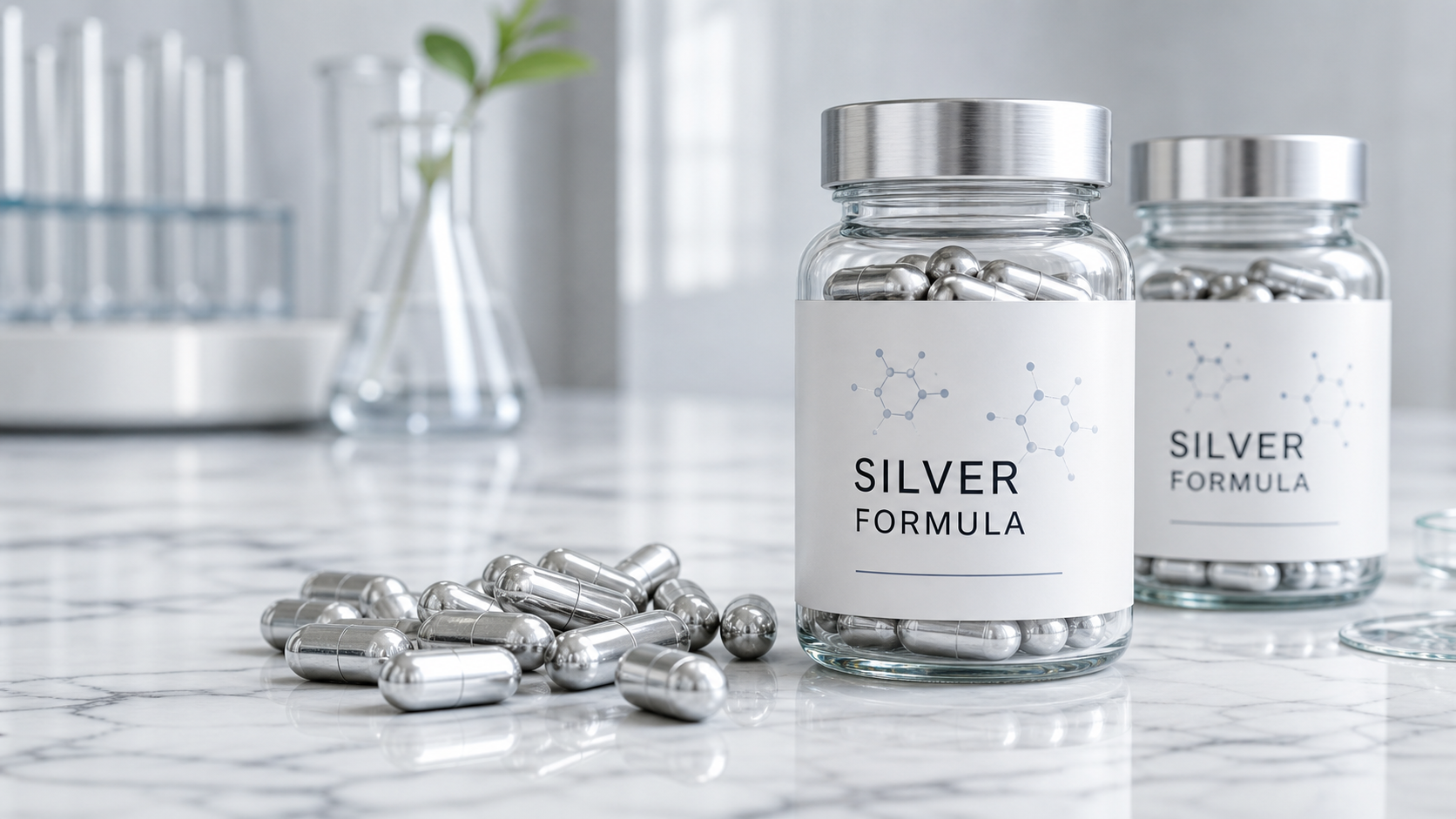
Top Supplement Picks for Different Types of Men
Rather than declaring one bottle universally superior, it is more useful to identify the best product category for each need. Formulas and labels change, so shoppers should verify current nutrient amounts and certification directly on the package or manufacturer’s website before purchasing.
Best Overall: A Third-Party-Tested, Iron-Free Daily Multivitamin
For a generally healthy adult man, the strongest all-purpose pick is a straightforward, third-party-tested multivitamin with roughly daily-value amounts of vitamin D, B vitamins, zinc, selenium, iodine, and antioxidant vitamins. An iron-free version is often suitable unless iron has been recommended after testing. Choose a formula without mega-doses, herbal hormone blends, or a long list of ingredients present only in token amounts.
Best for Men Over 50: An Age-Specific Formula With B12 and Vitamin D
A well-designed 50-plus formula typically emphasizes vitamin B12 and vitamin D while remaining moderate overall. It may also provide vitamin K, zinc, and antioxidant nutrients. Because calcium and magnesium take up considerable tablet space, even strong multivitamins often contain limited quantities. Men who need more should first improve dietary intake and discuss separate supplementation with a healthcare professional.
Best for Vegan Men: A Focused B12 and Vitamin D Supplement
Many vegan men do not require a kitchen-sink multivitamin if their diets are well planned. A focused product supplying reliable vitamin B12—and potentially vitamin D, iodine, or other nutrients according to diet and testing—can be more precise. Check the source of vitamin D if vegan certification matters. Algae-derived DHA and EPA may be considered separately, although omega-3 fats are not vitamins.
Best for Limited Sun Exposure: A Stand-Alone Vitamin D Product
Men with low vitamin D confirmed by testing may benefit more from a targeted vitamin D supplement than from changing their entire multivitamin. Vitamin D3 is commonly used and should be taken at an appropriate dose determined by baseline status, diet, and medical guidance. Large corrective doses should not become an indefinite routine without follow-up because vitamin D can accumulate.
Best for a Documented Deficiency: A Clinician-Directed Single Nutrient
The most effective supplement is often the least glamorous: one nutrient at the right dose for a verified need. Examples include vitamin B12 for deficiency, iron for confirmed iron-deficiency anemia, or folate when laboratory and clinical findings justify it. Targeted treatment makes follow-up easier and reduces the chance of taking unnecessary ingredients.
Potential Benefits—and the Limits of Supplementation
When intake is inadequate, restoring a nutrient can produce meaningful benefits. Correcting vitamin B12 deficiency can support normal blood formation and prevent worsening neurological complications. Treating vitamin D deficiency helps restore the nutrient’s role in bone and muscle health. Correcting iron deficiency can improve anemia-related symptoms once the cause of the deficiency has also been investigated.
The benefits are much less dramatic when a well-nourished person adds more of a nutrient already consumed in sufficient amounts. Multivitamins may provide nutritional insurance, but they should not be expected to prevent every chronic disease, compensate for smoking, or replace medical treatment. Research on broad multivitamin use has produced mixed findings, and any potential benefit is generally modest rather than transformative.
Whole foods offer advantages that pills cannot reproduce. Vegetables, fruit, legumes, nuts, seeds, fish, eggs, dairy foods, lean meats, and whole grains deliver combinations of vitamins, minerals, protein, fiber, beneficial fats, and phytochemicals. They also promote satiety and support a healthier overall eating pattern. Supplements are best viewed as gap-fillers or targeted tools.
Men concerned about energy, sexual function, fertility, immunity, cognition, or heart health should resist products that attribute every problem to a vitamin shortage. Persistent symptoms may reflect sleep disorders, thyroid disease, depression, anemia, diabetes, medication effects, cardiovascular conditions, or other causes requiring evaluation. A supplement can delay effective care if it becomes a substitute for diagnosis.
Safety, Dosage, and Drug Interactions
Vitamins are biologically active substances, and excessive amounts can cause harm. Fat-soluble vitamins A, D, E, and K can be stored in the body. High supplemental intakes of preformed vitamin A may harm the liver and bones, while excessive vitamin D can raise calcium to dangerous levels. Water-soluble nutrients are not automatically harmless: prolonged high-dose vitamin B6 can damage nerves, and large niacin doses can cause significant adverse effects.
Minerals also require restraint. Too much zinc can cause nausea and interfere with copper balance. Excess selenium may affect hair, nails, nerves, and digestion. Supplemental magnesium can cause diarrhea, while very high intake can be dangerous for people with impaired kidney function. Iron overdose is particularly hazardous and iron-containing products must be kept away from children.
Interactions matter. Vitamin K can affect the action of warfarin and related anticoagulation plans. Calcium, magnesium, iron, and zinc may interfere with the absorption of certain thyroid medicines and antibiotics when taken too close together. Some cancer treatments, seizure medicines, diuretics, and other prescriptions can also interact with supplements. A pharmacist can review timing and compatibility efficiently.
Follow the serving size and include fortified foods when estimating total intake. Taking a multivitamin, an energy powder, fortified cereal, and separate single-nutrient pills can unintentionally create a mega-dose. Men with kidney disease, liver disease, a history of kidney stones, cancer treatment, bleeding disorders, or upcoming surgery should seek individualized advice before starting vitamin supplements for men.
A Food-First Plan for Better Micronutrient Intake
A practical diet can cover many essential nutrients without obsessive tracking. Build meals around vegetables or fruit, a protein source, a high-fiber carbohydrate, and a source of healthy fat. Rotate foods across the week: leafy greens for folate and vitamin K; beans for folate, magnesium, and zinc; dairy or fortified alternatives for calcium and vitamin D; seafood for vitamin D, iodine, selenium, and omega-3 fats; and nuts or seeds for magnesium and vitamin E.
Eggs, poultry, meat, fish, and dairy foods provide vitamin B12, while fortified foods and supplements are dependable options for vegans. Vitamin C-rich produce such as peppers, berries, kiwifruit, citrus, and broccoli can improve absorption of iron from plant foods. Using iodized salt in modest quantities can supply iodine, but specialty salts are not necessarily iodized.
Consistency matters more than dietary perfection. A basic men’s multivitamin can complement this pattern during busy periods, but it should remain secondary to food quality. Review your diet every few months, especially after major changes such as adopting a vegan diet, beginning intensive training, developing a digestive condition, or starting a medication that affects nutrient status.
Related Articles
- Multivitamins: Choosing the Best for Men and General Health
- Men's Multivitamins: Targeted Nutrition for Men’s Health
- Best Magnesium for Sleep: Forms, Benefits, and Usage Recommendations
- Centrum Multivitamin: Benefits, Variants, and User Guide
- Comprehensive Guide to Calcium Supplements: Benefits and Choices
Frequently Asked Questions
Should every man take a multivitamin?
No. Men who consistently eat a varied, nutrient-rich diet may obtain everything they need from food. A multivitamin can be useful when food intake is inconsistent, certain food groups are excluded, absorption is impaired, or a clinician identifies increased risk. The decision should reflect diet and health status rather than age or sex alone.
What is the best time to take men’s multivitamins?
Take the product as directed, usually with a meal to improve tolerance and support absorption of fat-soluble vitamins. Breakfast or lunch may be convenient, but consistency is more important than the exact hour. If the formula causes nausea, taking it with a substantial meal may help. Follow professional instructions when minerals must be separated from medications.
Do men need iron in a multivitamin?
Many adult men do not need supplemental iron and can choose an iron-free formula. Iron should not be used casually because deficiency in a man may signal blood loss or another condition requiring investigation. When testing confirms iron deficiency, a healthcare professional can recommend the appropriate form, dose, duration, and follow-up.
Can vitamins increase testosterone or improve sexual performance?
Correcting a genuine nutrient deficiency may support normal physiology, but ordinary multivitamins do not reliably boost testosterone or act as treatments for erectile dysfunction. Products promising dramatic hormonal effects deserve skepticism. Men with persistent sexual symptoms, infertility concerns, or signs of low testosterone should seek an evidence-based medical assessment rather than relying on high-dose supplements.