Vegan Protein Powders: Best Options and Benefits

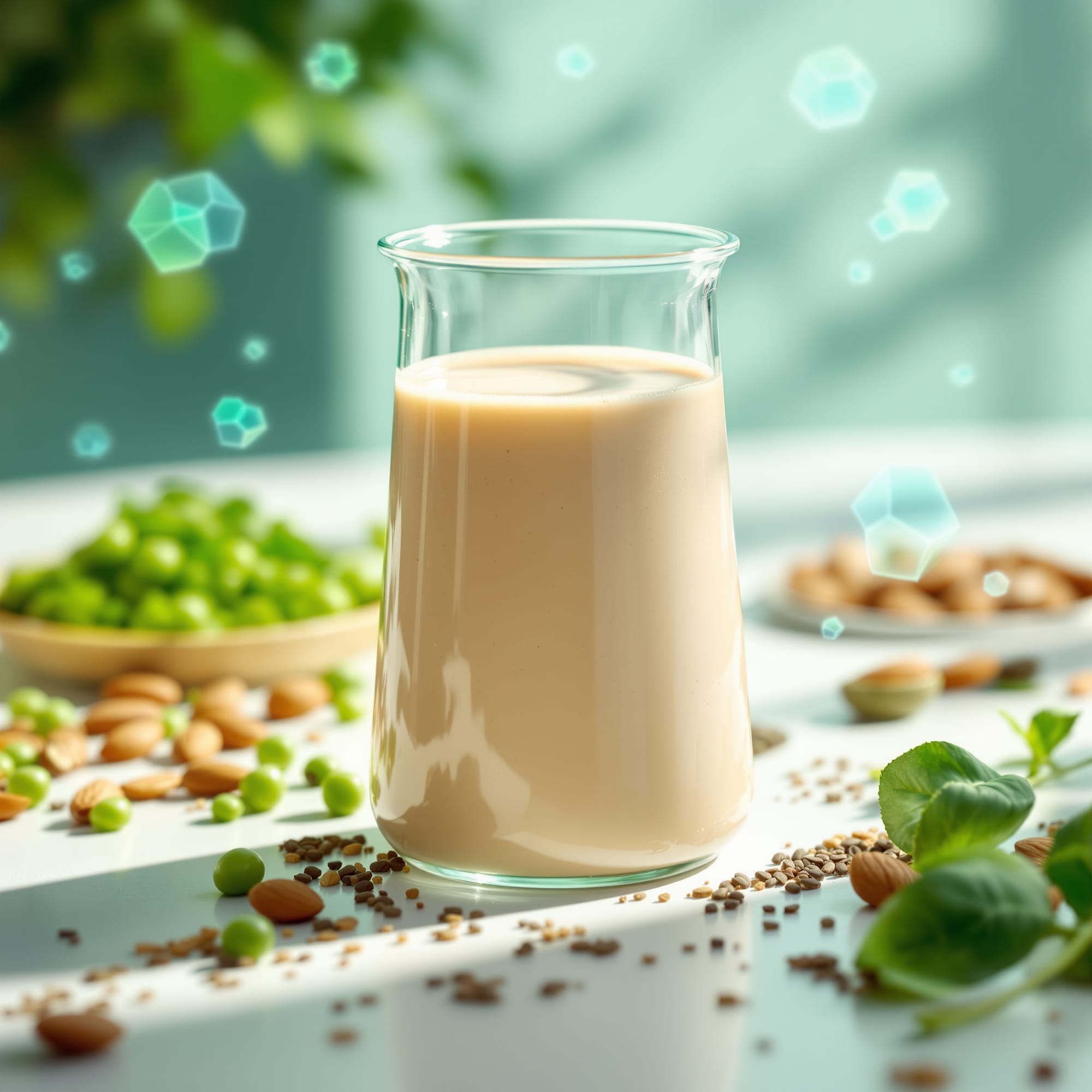
Vegan protein powders are an excellent source of nutrition for those seeking plant-based alternatives for muscle building and recovery. The best vegan protein powders are typically derived from high-quality sources such as pea, rice, and hemp, providing essential amino acids while supporting a sustainable lifestyle.
In this article, we will explore the various options available in the market, delve into their nutritional profiles, and highlight the benefits of incorporating vegan protein into your diet. Whether you are an athlete or simply looking to improve your protein intake, understanding these plant-based protein options will guide you in making the best choices for your health.
What are the Best Vegan Protein Powders for Muscle Building and Recovery? | What are the benefits of vegan protein powders? | How to choose and use vegan protein powders effectively? | What are common mistakes with vegan protein powders? | What Are the Key Benefits of Choosing Vegan Protein Powders? | Frequently Asked Questions
What are the Best Vegan Protein Powders for Muscle Building and Recovery?
Vegan protein powders are supplements derived from plant sources that provide essential amino acids necessary for muscle repair and growth. They are particularly valuable for individuals on plant-based diets, offering a convenient way to meet daily protein needs. Common sources include peas, brown rice, hemp, and soy, each with unique nutritional profiles and benefits.
For example, pea protein is rich in branched-chain amino acids (BCAAs), which are critical for muscle recovery post-exercise. In contrast, brown rice protein is often praised for its digestibility and glycemic control. Research indicates that plant-based protein powders can be as effective as whey protein in promoting muscle hypertrophy when consumed in adequate amounts, making them a viable alternative for athletes and fitness enthusiasts.
What are the benefits of vegan protein powders?
Vegan protein powders provide an excellent alternative to traditional protein sources, offering numerous health benefits. One of the primary advantages is their contribution to muscle repair and growth. Research indicates that plant-based proteins, such as pea and brown rice protein, can effectively promote muscle protein synthesis similar to animal-based proteins. A study found that individuals who consumed plant-based protein post-exercise experienced significant improvements in muscle recovery and strength over time.
Another key benefit of vegan protein powders is their favorable impact on overall health. Unlike some animal proteins, many plant-based protein powders are lower in saturated fats and cholesterol, consequently supporting cardiovascular health. Nutritional profiles of vegan protein powders often contain essential amino acids, vitamins, and minerals, enriching one’s diet. For instance, hemp protein not only provides protein but also includes omega-3 fatty acids that benefit heart health.
Furthermore, vegan protein powders are generally easier to digest for many individuals. Studies suggest that plant-based proteins may lead to fewer digestive issues compared to whey or casein proteins, which can cause discomfort for those who are lactose intolerant or sensitive. This digestive advantage encourages more consistent consumption of protein, aiding in maintaining an active lifestyle and meeting dietary goals.
- Promotes muscle recovery and growth.
- Supports cardiovascular health.
- Lower in saturated fats and cholesterol.
- Easier to digest for those with intolerances.
- Rich in essential vitamins and minerals.
How to choose and use vegan protein powders effectively?
When selecting vegan protein powders, it is important to consider the source of the protein, its amino acid profile, and additional nutrients that may support muscle building and recovery. Common sources of plant-based protein include peas, rice, hemp, and soy. Each has its unique composition, with some being complete proteins containing all essential amino acids (such as soy and quinoa) while others may lack certain amino acids. Therefore, understanding the nutritional profiles of these protein sources can help you make a well-informed decision based on your dietary needs.
In addition to the type of protein, one must consider how and when to intake these powders for maximum effectiveness. For instance, incorporating vegan protein powders into meals, particularly around workout times, can significantly enhance muscle recovery and growth. A common practice is to consume a protein shake post-exercise, as this is when the body is primed for nutrient absorption. Combining the powder with fruits or nut milk can also improve the flavor and enhance the overall nutritional value.
- Assess your protein requirements based on your activity level, aiming for 1.2-2.0 grams of protein per kilogram of body weight, particularly if you are engaged in strength training or endurance sports.
- Choose a vegan protein powder that suits your taste and dietary preferences, considering options like pea protein for muscle recovery, or hemp protein for added omega-3 fatty acids.
- Mix your protein powder with various ingredients, such as smoothies or oatmeal, to diversify your intake, ensuring you gain a wide range of nutrients throughout the day.
- Consider timing your protein intake, especially post-workout, to aid muscle recovery, aiming to consume your protein shake within 30 minutes after exercise.
- Monitor your overall dietary protein intake, ensuring you are meeting your physical goals while maintaining a balanced diet rich in other essential nutrients.
What are common mistakes with vegan protein powders?
One significant misconception about vegan protein powders is that they always provide a complete amino acid profile equivalent to animal-based proteins. While some plant-based protein sources, such as quinoa and soy, do contain all essential amino acids, many others, like pea or rice protein, are lower in certain amino acids. This misunderstanding can lead to protein intake planning that is suboptimal for muscle recovery and growth.
Furthermore, consumers often overlook the importance of checking the ingredient list for added sugars, artificial flavors, and fillers. Many pre-packaged vegan protein powders may seem appealing due to their taste but contain additives that can negate their health benefits. This consideration is particularly crucial for those aiming for clean nutrition and optimal recovery.
Finally, an all-too-common practice is assuming that higher protein content always translates to better performance or recovery. In reality, the effectiveness of a vegan protein powder also depends on the ratio of protein to other nutrients and the individual's specific dietary needs. Different workouts may require variations in protein intake, underscoring the importance of customization based on one's fitness regimen.
- Overlooking essential amino acids in plant-based protein sources.
- Ignoring added sugars and artificial ingredients in protein powders.
- Assuming that higher protein content is always better for recovery.
- Not considering personal dietary needs or fitness goals when choosing a protein powder.
What Are the Key Benefits of Choosing Vegan Protein Powders?
Vegan protein powders help health-conscious individuals achieve optimal muscle building and recovery through high-quality plant-based nutrition. The article explored various types of vegan protein including pea, hemp, and brown rice, highlighting their rich amino acid profiles and essential nutrients that support both athletic performance and overall health.
By choosing the best vegan protein powders, consumers can enhance their diets while avoiding common allergens found in animal-based proteins. Understanding the importance of these plant-based proteins not only aids in personal fitness goals but also contributes to a more sustainable environment. For those interested in maximizing the benefits of vegan protein, further exploration into related topics, such as recipes or comparisons with other dietary sources of protein, can provide valuable insights and inspiration.
Frequently Asked Questions
What are the benefits of using vegan protein powders?
Vegan protein powders provide essential nutrients and amino acids that support muscle growth and recovery while being free from animal products. They can aid in weight management and promote overall health by being rich in vitamins, minerals, and antioxidants.
Can vegan protein powders replace whey protein?
Yes, vegan protein powders can effectively replace whey protein for those following a plant-based diet. Many formulations provide comparable protein content and can support muscle maintenance and recovery as effectively as whey.
How do I choose the best vegan protein powder?
When selecting a vegan protein powder, consider the source of protein, such as pea, hemp, or brown rice, and check for amino acid profiles to ensure it meets your dietary needs. Additionally, look for options free from artificial additives and allergens.
Is there a difference in absorption rates between plant-based and animal-based proteins?
Yes, studies indicate that while animal-based proteins may be absorbed more quickly, many plant-based proteins can still be highly effective. Combining different plant sources can enhance the amino acid profile and improve absorption rates.
What are some common sources of vegan protein powders?
Common sources of vegan protein powders include pea protein, brown rice protein, hemp protein, and soy protein. Each offers distinct benefits and amino acid profiles suitable for different dietary preferences.
Can I use vegan protein powders in recipes?
Absolutely! Vegan protein powders can be incorporated into smoothies, baked goods, and other recipes, enhancing protein content while maintaining a plant-based diet. Just be sure to adjust liquid ratios when cooking or baking.