Vegan Protein Powder: Benefits, Types, and Best Brands

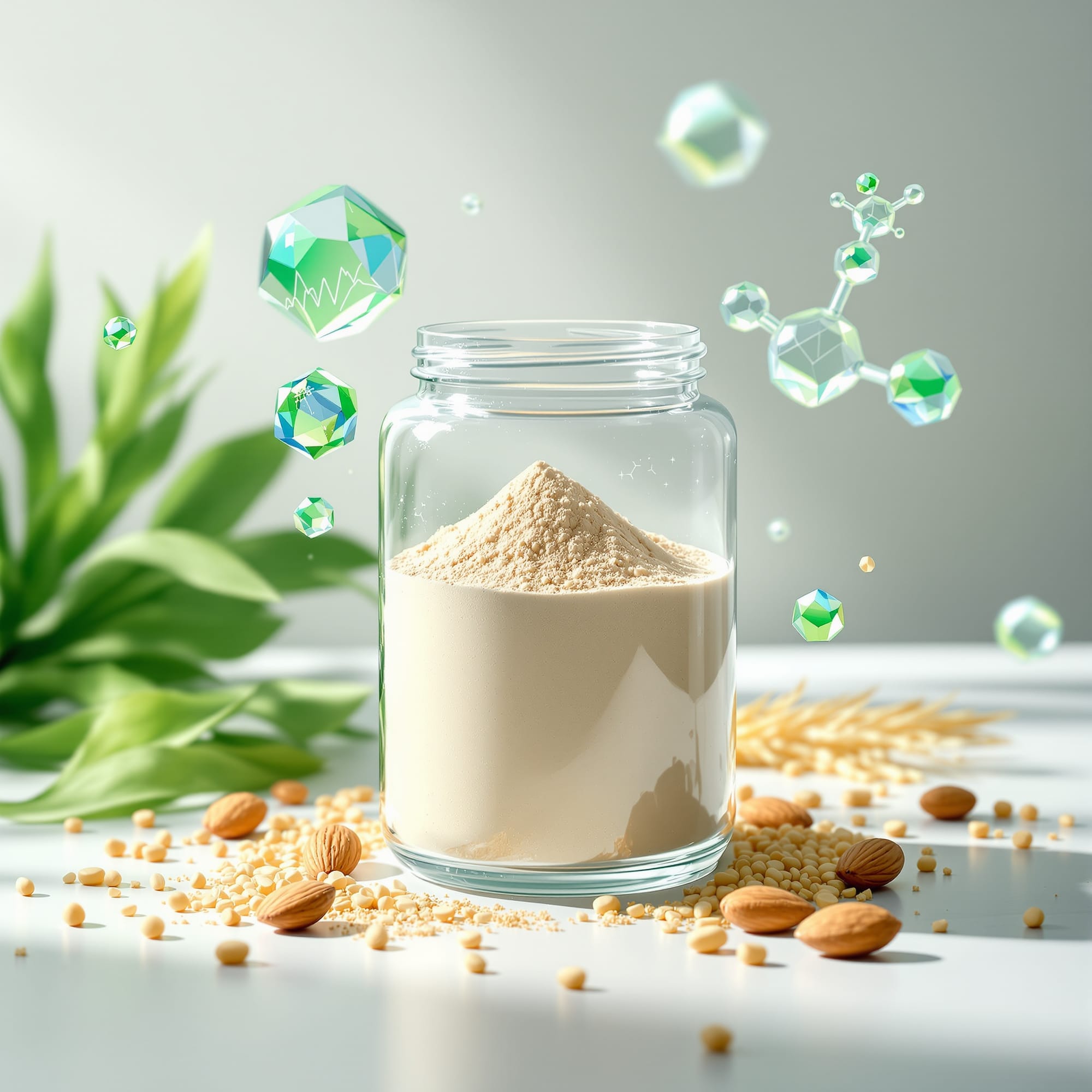
Vegan protein powder is a popular choice among those looking to increase their protein intake while adhering to plant-based diets. It is crafted from various sources such as peas, rice, and hemp, offering a rich array of nutrients and amino acids essential for health and wellness.
This article explores the benefits of vegan protein powder, discusses different types of plant-based protein supplements, and highlights the best vegan protein powder brands that cater to the growing demand for nutritious, vegan-friendly options.
What is Vegan Protein Powder: Benefits, Types, and Best Brands? | What are the benefits of vegan protein powder? | How to choose the best vegan protein powder for your needs? | What are common mistakes with vegan protein powder? | How Can Vegan Protein Powder Enhance Your Health and Fitness? | Frequently Asked Questions
What is Vegan Protein Powder: Benefits, Types, and Best Brands?
Vegan protein powder is a plant-based dietary supplement composed of proteins derived from various sources, aimed at supporting muscle recovery and overall health. Unlike traditional protein powders, which often contain animal-derived proteins, vegan protein powders are formulated using ingredients like pea, rice, hemp, and soy. They provide a viable alternative for those following plant-based diets, offering essential amino acids necessary for muscle repair and growth.
One of the primary benefits of vegan protein powders is their nutritional profile, typically lower in saturated fat and cholesterol compared to whey or casein-based powders. Additionally, they are rich in vitamins, minerals, and fiber, contributing to better digestive health. For example, pea protein contains a significant amount of iron—approximately 5 mg per 100 g serving—making it a great option for both vegetarians and vegans looking to boost their iron intake. When selecting the best vegan protein powder, consumers should consider factors such as the source of protein, taste, and additional nutritional content.
What are the benefits of vegan protein powder?
Vegan protein powder offers a myriad of benefits for both health-conscious consumers and those adhering to plant-based diets. One of the primary advantages is its ability to support muscle growth and recovery. A study published in a peer-reviewed journal found that individuals consuming plant-based protein post-exercise experienced similar muscle recovery and growth as those consuming whey protein, making vegan options highly effective for athletes and fitness enthusiasts.
Additionally, vegan protein powders are often rich in essential amino acids, vitamins, and minerals. For example, pea protein is noted for its high levels of branched-chain amino acids (BCAAs), which are pivotal in muscle protein synthesis. This makes it a superior choice for those looking to maintain muscle while on a vegan diet. Furthermore, these protein powders are typically lower in allergens compared to dairy-based proteins, making them more accessible to individuals with lactose intolerance or dairy allergies.
Another significant benefit is the nutritional profile of vegan protein powders, which tends to include various plant-derived ingredients. Hemp protein, for instance, not only provides protein but also essential fatty acids, fiber, and various micronutrients, contributing to overall health. This high nutrient density can aid in improving digestive health and bolstering the immune system.
- Supports muscle growth and recovery.
- Rich in essential amino acids.
- Lower in allergens compared to dairy proteins.
- Nutritionally dense with additional health benefits.
Incorporating vegan protein powder into the diet can also foster weight management. High-protein diets have been shown to support satiety and reduce overall calorie intake. Moreover, plant-based protein sources often come with a lower calorie count than their animal-based counterparts, making them suitable for individuals aiming to lose weight without sacrificing nutrient intake.
How to choose the best vegan protein powder for your needs?
Selecting the right vegan protein powder involves considering various factors that align with your dietary requirements and fitness goals. First, assess your protein needs based on your lifestyle. For instance, individuals engaged in regular strength training or endurance sports may require higher protein intake to support muscle recovery and growth. Vegan protein powders vary in protein content, typically ranging from 15 to 30 grams per serving, depending on the source and brand. Assessing your dietary preferences, such as flavor and ingredient transparency, is also essential.
Next, familiarize yourself with the types of vegan protein powders available. Common options include pea protein, brown rice protein, hemp protein, and blends of these sources. Each has distinct nutritional profiles; for example, pea protein is rich in branched-chain amino acids, while hemp protein provides healthy fats and fiber. Considering these attributes will aid in selecting a powder that complements your overall nutrition plan and satisfies your taste preferences.
- Identify your protein requirements based on your activity level and dietary goals.
- Research the types of vegan protein powders available, focusing on their nutritional profiles and benefits.
- Choose a brand that prioritizes quality ingredients and transparent labeling.
- Consider factors such as taste, texture, and mixability with other foods or beverages.
- Start with a smaller size to test your reaction and preference before committing to a larger amount.
What are common mistakes with vegan protein powder?
When selecting vegan protein powder, one of the most frequent misconceptions is that all plant-based protein supplements provide the same nutritional value. While many options are available, the amino acid profiles and digestibility can vary significantly between different types of vegan protein, such as pea, rice, and hemp. Without proper understanding, consumers may select a product that lacks adequate levels of essential amino acids, resulting in suboptimal muscle recovery and overall nutrient intake.
Another common mistake involves overlooking the additional ingredients and additives found in some vegan protein powders. Consumers often choose products based solely on protein content, neglecting the importance of quality ingredients. Some protein powders may contain added sugars, artificial flavors, or thickeners that can undermine their health benefits. Therefore, it's crucial to read labels thoroughly to ensure they align with your dietary needs and preferences.
Additionally, many individuals assume that using vegan protein powder is unnecessary if they consume a plant-based diet rich in whole foods. While whole foods are undoubtedly beneficial, they may not always provide sufficient protein for everyone's needs, especially for athletes or those with higher protein requirements. In some cases, supplementing with a high-quality vegan protein powder can help achieve optimal protein intake, particularly post-workout to support muscle recovery.
- Assuming all plant-based protein powders are nutritionally equal
- Neglecting to check for added sugars or artificial ingredients
- Overlooking the necessity of supplements for higher protein needs
- Ignoring the amino acid profile of the protein source
- Relying solely on protein supplements and not incorporating whole foods
How Can Vegan Protein Powder Enhance Your Health and Fitness?
Vegan protein powder helps plant-based consumers achieve their nutritional goals, offering a rich, high-quality source of protein that supports muscle growth, recovery, and overall health. Throughout this article, we explored the various types of vegan protein powders, including pea, rice, and hemp, emphasizing their unique benefits and suitability for different dietary needs.
Understanding the advantages of vegan protein powder is crucial for anyone considering plant-based protein supplements. These powders not only deliver essential amino acids but also align with a sustainable lifestyle, making them an excellent choice for eco-conscious individuals. As you explore your options further, consider comparing brands to find the best vegan protein powder that meets your preferences and nutritional goals.
Frequently Asked Questions
What are the benefits of using vegan protein powder?
Vegan protein powder offers numerous benefits, including improved muscle recovery, a boost in energy levels, and support for weight management. It is also rich in essential amino acids, vitamins, and minerals that contribute to overall health.
Can vegan protein powder replace animal protein sources?
Yes, vegan protein powder can substitute animal protein sources effectively, as many plant-based options provide comparable protein content and nutritional benefits. However, it's important to choose a protein powder that offers a complete amino acid profile.
How do different types of vegan protein powder vary?
Vegan protein powders vary mainly by their source, including peas, hemp, rice, and soy. Each type has distinct nutritional profiles, with some being higher in specific amino acids or fiber, catering to different dietary needs and preferences.
Is vegan protein powder suitable for everyone?
Generally, vegan protein powder is suitable for most people, including those with lactose intolerance or dietary restrictions. However, individuals with specific allergies, such as soy or pea, should choose alternative protein sources carefully.
What are the best vegan protein powder brands available?
Some of the best vegan protein powder brands include Orgain, Sunwarrior, and Garden of Life. These brands are known for their quality ingredients, great taste, and comprehensive nutritional profiles that appeal to plant-based consumers.
Can vegan protein powder aid in weight loss?
Yes, vegan protein powder can support weight loss by increasing feelings of fullness and helping maintain lean muscle mass during a calorie deficit. Incorporating it into a balanced diet can enhance weight management efforts.