Digestive Enzymes: Enhancing Gut Health and Digestion

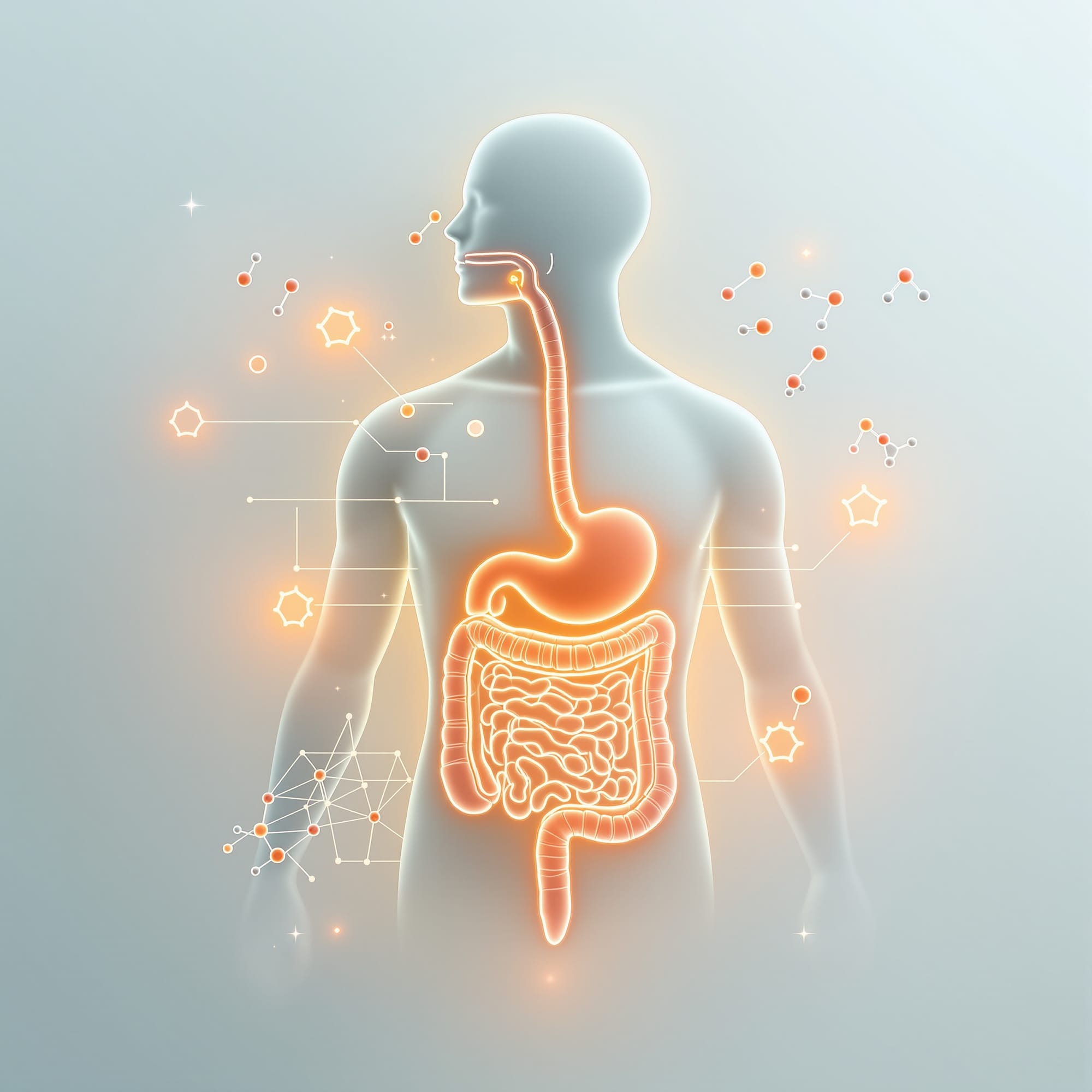
Digestive enzymes are crucial for breaking down food substances into absorbable nutrients, playing a vital role in maintaining gut health and promoting effective digestion. Understanding the different types of digestive enzymes and their benefits can help individuals choose the best digestive enzyme supplements tailored to their specific needs.
In this comprehensive guide, we will explore the various types of digestive enzymes, their roles as digestive aids, and how selecting the right enzyme supplements can enhance overall gut health. Whether you are seeking to improve absorption or alleviate digestive discomfort, this article is designed to provide insights on the most effective options available.
What are Digestive Enzymes and How Do They Benefit Gut Health? | What are the benefits of digestive enzymes? | How to use digestive enzymes effectively? | What are common mistakes with digestive enzymes? | How Can Digestive Enzymes Improve Gut Health? | Frequently Asked Questions
What are Digestive Enzymes and How Do They Benefit Gut Health?
Digestive enzymes are specialized proteins that facilitate the breakdown of food into smaller, absorbable components in the digestive system. They play a crucial role in the digestive process by ensuring that the body can efficiently absorb nutrients and eliminate waste. The primary types of digestive enzymes include amylase for carbohydrates, protease for proteins, and lipase for fats. These enzymes are naturally produced by the body, yet many individuals may benefit from digestive enzyme supplements to support gut health, especially those with specific digestive disorders.
The best digestive enzymes can significantly enhance gut health by improving digestion and reducing symptoms such as bloating and discomfort. For example, while traditional remedies focus on dietary changes, incorporating digestive aids like enzyme supplements can provide targeted relief. A study published in the Journal of Gastroenterology found that individuals who took digestive enzyme supplements experienced a 20% reduction in bloating compared to those who made dietary changes alone. This evidence underlines the potential benefits of choosing the right digestive enzyme supplements.
What are the benefits of digestive enzymes?
Digestive enzymes play a crucial role in the breakdown of food, allowing our bodies to absorb nutrients efficiently. They are naturally produced by the pancreas, stomach, and intestines, but when production is insufficient, digestive enzyme supplements can provide relief and enhance gut health. Research indicates that these supplements can significantly improve symptoms of digestive disorders such as bloating, gas, and irregular bowel movements, which are commonly associated with low enzyme levels.
One of the prominent benefits of digestive enzymes is their ability to aid in the digestion of macronutrients. Studies have shown that individuals taking the best digestive enzymes can experience improved digestion of proteins, fats, and carbohydrates. Enzymes such as proteases, amylases, and lipases each target specific food components, thereby facilitating smoother digestive processes. This is particularly beneficial for people with lactose intolerance or gluten sensitivity, as specific enzymes can help break down these problematic substances.
- Enhanced nutrient absorption.
- Reduction of bloating and gas.
- Support for lactose intolerance.
- Improvement in overall gut health.
- Potential relief from digestive disorders.
Moreover, digestive enzyme supplements can contribute to greater overall gut microbiome diversity, which is vital for maintaining good health. A diverse microbiome helps prevent pathogens from taking hold and supports the immune system. By taking these enzymes, individuals may not only alleviate digestive discomfort but also foster a healthier gut environment, which can have positive implications for overall health and well-being.
Lastly, it’s essential to choose the right digestive enzyme supplements to maximize their benefits. A well-formulated product should contain a blend of enzymes targeting various food types along with other digestive aids such as probiotics. Consulting with a healthcare professional can provide personalized recommendations based on individual needs, ensuring that the chosen supplements effectively support digestive health.
How to use digestive enzymes effectively?
Digestive enzymes are essential for breaking down food components—proteins, fats, and carbohydrates—into smaller molecules that can be easily absorbed by the body. To enhance gut health and optimize digestion, it's important to identify the best digestive enzymes for your specific needs, which may vary depending on your dietary habits and health conditions. If you experience symptoms such as bloating, gas, or indigestion, integrating appropriate digestive enzyme supplements into your routine can be beneficial. Always consult a healthcare professional before starting any new supplement regimen, especially if you have underlying health issues.
To maximize the benefits of digestive enzymes, consider taking them just before or during meals. This timing helps to ensure that the enzymes are in the digestive tract when food is present, thus improving nutrient absorption. Additionally, pay attention to the types of digestive enzyme supplements available, such as proteases for proteins, lipases for fats, and amylases for carbohydrates, to ensure you are addressing your personal digestive challenges effectively. Adjusting your enzyme intake based on the complexity of your meals can also promote better digestion, for example, taking a more comprehensive enzyme blend when consuming a heavy meal.
- Identify your specific digestive challenges and consult a healthcare provider to select the best digestive enzymes for your situation.
- Take digestive enzyme supplements right before or during meals to maximize their effectiveness.
- Choose enzyme supplements that contain a combination of proteases, lipases, and amylases for a balanced approach to digestion.
- Monitor your body’s response to the supplements; if symptoms persist, adjustment of dosage or product may be necessary.
- Incorporate a diet rich in whole foods, such as fruits and vegetables, to complement the action of digestive enzymes.
What are common mistakes with digestive enzymes?
Many individuals looking to improve their gut health may fall into the trap of assuming that all digestive enzyme supplements offer similar benefits. One common misconception is that taking high doses of any digestive enzymes will automatically lead to better digestion and nutrient absorption. In reality, excess consumption of these supplements can lead to gastrointestinal discomfort, including bloating and diarrhea. It is essential to understand the correct dosage and type of digestive enzymes that align with one's specific health needs.
Another frequent error is not assessing individual dietary habits before selecting the best digestive enzymes. For instance, some people may choose pancreatic enzymes without realizing that their digestive issues stem from insufficient stomach acid, not enzyme deficiency. A more effective approach is to first evaluate one's overall diet, identifying foods that may be causing discomfort, and then consulting healthcare professionals for tailored recommendations on digestive enzyme supplements or alternative digestive aids.
It is also important to consider the timing of enzyme supplementation. Many users mistakenly believe that taking enzymes at any time will produce optimal digestive results. However, digestive enzymes are most effective when taken just prior to meals, as they work best in sync with food intake. Utilizing them incorrectly can diminish their effectiveness, leading to suboptimal results in gut health.
- Assuming all digestive enzyme supplements are equally beneficial.
- Ignoring dietary habits before choosing digestive enzymes.
- Taking high doses without professional guidance.
- Not considering the timing of enzyme consumption.
- Overlooking potential side effects and interactions with other medications.
How Can Digestive Enzymes Improve Gut Health?
Digestive enzymes help individuals optimize their gut health and enhance digestion effectively. By understanding the different types of digestive enzyme supplements, their benefits, and how they function, you can make informed choices that align with your digestive health goals. Maintaining a balanced digestive system is crucial not just for nutrient absorption but also for overall wellness.
In summary, we explored the role of digestive enzymes, addressing their importance in supporting gut health, the specific functions of various digestive aids, and practical tips on selecting the best digestive enzymes for your needs. Whether you're dealing with occasional digestion issues or seeking long-term support, integrating suitable digestive enzyme supplements can make a notable difference. For further insights, consider exploring related topics such as gut microbiome health or diets that complement enzyme use.
Frequently Asked Questions
What are digestive enzymes and what role do they play in digestion?
Digestive enzymes are biological catalysts that facilitate the breakdown of food into smaller, absorbable components, thus enabling the body to utilize nutrients efficiently for energy and growth.
Can digestive enzyme supplements help with digestive disorders?
Yes, digestive enzyme supplements can assist individuals with digestive disorders by providing the necessary enzymes that may be lacking in their diet, which can help alleviate symptoms like bloating and gas.
How do I choose the best digestive enzyme supplements for my needs?
When choosing digestive enzyme supplements, consider factors such as the specific enzymes needed for your diet, the presence of additional digestive aids, and the form of the supplement (e.g., capsules or powders).
Is there a difference between plant-based and animal-based digestive enzymes?
Yes, plant-based enzymes, such as bromelain and papain, are generally more versatile and can function over a broader pH range, while animal-based enzymes, like pancreatin, are typically more potent but may be less suitable for vegans.
What types of foods naturally contain digestive enzymes?
Foods such as pineapples, papayas, kiwi, and fermented products like yogurt and sauerkraut naturally contain beneficial digestive enzymes that can support gut health and digestion.
How can digestive enzymes improve gut health?
Digestive enzymes can enhance gut health by improving nutrient absorption, reducing food intolerances, and promoting a balanced gut microbiome, which is essential for overall digestive function.